











Your Guide to Energy Efficient Ceiling Fan Models
Picking an energy efficient ceiling fan is one of the smartest—and most fun—upgrades you can make for your home. It’s a simple change that delivers on killer style, next-level comfort, and some serious long-term savings. These fans are engineered to move a ton of air without guzzling electricity, which is something your wallet will definitely appreciate. Forget the wobbly, power-hungry fans of the past—today's models are all about sleek design and powerful, quiet performance.
Why An Energy Efficient Fan Is A Smart Home Upgrade

Let's be honest, upgrading to an energy-efficient fan isn't just about aesthetics; it's a solid investment in your home's financial and physical comfort. With utility costs always on the rise, every little bit of savings helps. A lot of homeowners are looking for tips on how to reduce electricity bills, and a high-performance fan is an incredible place to start.
These modern workhorses are built from the inside out to do more with less. By creating a wind-chill effect, they can make a room feel up to 10 degrees cooler, which means you can give your air conditioner a much-needed break. That simple adjustment can slash your summer cooling costs, which are often the biggest chunk of any energy bill.
More Than Just Summer Savings
The real magic of these fans is that they work for you all year long. Many of the best models come with a reversible motor, turning your fan into a year-round efficiency machine. During the winter, you just flip a switch to run the blades in reverse on a low speed. This gently pushes all that warm air trapped at the ceiling back down where you can actually feel it.
Your heating system doesn't have to work as hard, and you get to enjoy a cozier room while saving money on the coldest days. We dive deeper into the connection between energy efficiency and cost savings in our detailed article if you want to get into the nitty-gritty.
An efficient ceiling fan is not merely an appliance; it's a dynamic climate control solution. By reducing reliance on HVAC systems, it lowers your carbon footprint while enhancing indoor comfort.
At the end of the day, an efficient fan delivers on all fronts:
- Lower energy bills: You'll see the difference every month.
- Year-round utility: It keeps you comfortable in both summer and winter.
- Quieter operation: Advanced motors are practically silent.
- Enhanced style: They come in gorgeous designs that truly elevate your space.
Understanding The Power Of A DC Motor
Let's talk about the engine that makes a modern ceiling fan so efficient: the DC (Direct Current) motor. Think of the old-school AC motor in a traditional fan as a vintage muscle car—it was powerful for its time, but notoriously loud and a real gas-guzzler. A DC motor, on the other hand, is like a sleek, new electric vehicle. It’s whisper-quiet, incredibly smart, and sips energy.

The secret is all in how they handle electricity. A standard AC fan hooks right into your home’s alternating current. But a DC fan has a clever little transformer inside that converts that power to direct current. This simple change gives the motor far more precise control and results in way less wasted energy.
That technical difference pays off in some very real, tangible ways. For starters, DC motors use up to 70% less energy than their AC cousins. That’s not just some marketing claim on a box; it’s a number you’ll actually see reflected in a lower electricity bill, especially if you’re someone who runs your fans all the time.
The Silent Performer
One of the best, most-loved perks of a DC motor fan is how quiet it is. I’m talking near-silent. The internal mechanics are just smoother and more refined, which gets rid of that constant hum or buzz you associate with older fans. This alone makes them the absolute best energy efficient ceiling fan models for bedrooms, nurseries, or any room where you just want some peace and quiet.
Imagine getting all the cooling you need on a warm night without a single distracting sound. That’s the kind of subtle luxury a DC motor brings to your home, turning your personal spaces into true sanctuaries of comfort.
A DC motor isn't just about saving energy; it's about elevating your living experience. The quiet operation and precise control transform a simple appliance into a sophisticated part of your home's comfort system.
More Speeds, More Control
Another huge plus is the sheer amount of control you get. Your typical AC fan gives you three speed settings: low, medium, and high. That’s it. DC fans, however, often come with six or even more speeds, letting you fine-tune the airflow to find that perfect breeze for any moment.
And it gets better. Most DC fan remotes have the reverse function built right in. No more dragging out a ladder twice a year just to flip that tiny switch on the motor housing when the seasons change.
The entire ceiling fan market is making a huge shift toward these better technologies, with Brushless Direct Current (BLDC) models leading the charge. It’s all being driven by rising energy costs and a real desire for more sustainable homes. People now get that energy-efficient ceiling fans can cut electricity use by 30-50% compared to old AC fans. You can see this trend in action by exploring industry analysis from leading market intelligence firms.
Putting a premium DC motor fan in your home, like the stunning $872.00 Artemis XL5, is a smart, forward-thinking move. If you’re ready to see what’s out there, our curated collection of the best DC motor ceiling fans is the perfect place to start your search.
The Secret to Fan Efficiency: Understanding CFM Per Watt
When you're trying to pick an energy-efficient ceiling fan, the spec sheet can feel like a foreign language. But here’s a pro tip: there’s one number that tells you almost everything you need to know. That magic number is CFM/W, which stands for Cubic Feet per Minute per Watt.
Think of it as the "miles per gallon" for your ceiling fan. It's a straightforward measure of how much air (CFM) the fan can move for every single watt of electricity it uses. The higher the CFM/W, the more breeze you get for your buck. It’s that simple.
How to Spot a Truly Efficient Fan
You’ll find the CFM/W rating on the fan’s spec sheet or its Energy Guide label, and it’s the best way to make a true apples-to-apples comparison. A fan can have all the bells and whistles, but if its CFM/W number is low, it's an energy hog in disguise.
For instance, a premium model like the $788.00 Andros Ceiling Fan isn't just about its impressive six-blade design. It's engineered from the ground up for incredible airflow efficiency, making it a beast in large, open rooms without silently driving up your power bill.
The CFM/W metric cuts right through all the marketing fluff. It’s the single most important number for judging a fan’s real-world energy efficiency, showing you the honest relationship between airflow and power use.
Focusing on a high CFM/W is your best bet for finding a fan that feels great and won’t come back to haunt you when the electricity bill arrives. It's the ultimate benchmark for performance.
The ENERGY STAR Shortcut
Want an even simpler way to find an efficient model? Just look for the little blue ENERGY STAR logo. This certification is your trusted shortcut to guaranteed efficiency. To earn it, fans must pass strict performance standards set by the U.S. Environmental Protection Agency (EPA).
On average, an ENERGY STAR certified fan is about 60% more efficient than a standard, non-certified fan. That’s because they’re required to have high CFM/W ratings and often use advanced, high-performance motors and aerodynamic blades to get the job done right.
Sizing and Efficiency Go Hand-in-Hand
Of course, even the most efficient fan won't do you much good if it's the wrong size for your room. A fan that’s too small will have to work overtime just to make a difference, while an oversized one is just wasteful. They have to work together.
If you’re not sure how to match a fan’s diameter to your room’s square footage, our ceiling fan size guide is the perfect place to start. By pairing the right size with a high CFM/W rating, you’ll create a powerful and refreshingly affordable cooling system for your home.
How Blade Design and Fan Size Impact Airflow
When you're looking at a ceiling fan, it's easy to focus on the style and finish. But the real magic of an efficient fan—the part that actually creates that perfect breeze—is all in the blades.
A fan's design is so much more than just looks; it's a critical piece of the efficiency puzzle. The shape, angle, and even the number of blades all have a massive impact on how well it works.
The Myth of More Blades
It’s a common myth that more blades automatically equal more airflow. The truth? It’s all about smart design, not just sheer numbers. A well-designed fan with just three or four aerodynamic blades can move air far more effectively (and quietly!) than a clunky fan with six or eight poorly engineered ones.
The secret sauce is something we call blade pitch—that’s the angle of the blades as they slice through the air. A steeper pitch can grab and move more air, but it also makes the motor work harder, which can suck up more electricity.
A truly great fan finds that perfect sweet spot. The pitch is aggressive enough to create a strong breeze, but not so steep that it overloads the motor. This is where blade engineering and motor power have to work together perfectly. To really get into the weeds on this, check out our guide on the impact of fan blade count on efficiency.
This simple formula is exactly how we measure a fan's true performance behind the scenes.

It boils down to a direct relationship between the airflow a fan produces (CFM) and the energy it uses to do it (Watts).
Matching Fan Size to Your Room
Once you've got a handle on blade design, the next step is just as important: picking the right size. This is probably the biggest decision you'll make for maximizing efficiency.
Think about it: a small fan in a huge room will have to run on its highest setting 24/7 just to make you feel anything. That's a massive energy waste. On the flip side, a giant fan in a tiny room is overkill and can create an unpleasant, gusty whirlwind.
Selecting the correct fan size isn’t just about aesthetics—it’s about physics. A properly sized fan moves the optimal volume of air for the space, allowing it to run at lower, more energy-efficient speeds while still delivering exceptional comfort.
To get it right, you need to match the fan's blade span (its diameter) to your room's square footage.
Here’s a straightforward guide to help you find the perfect fit for your space.
Ceiling Fan Sizing Guide for Optimal Efficiency
| Room Size (Sq. Ft.) | Recommended Fan Diameter (Inches) | Example Room Type |
|---|---|---|
| Up to 75 | 36 inches or less | Bathrooms, home offices, breakfast nooks |
| 76 to 175 | 42 to 52 inches | Standard bedrooms, kitchens, family rooms |
| 176 to 350+ | 52 inches or larger | Great rooms, open-concept living areas |
Using this chart ensures your fan can do its job without straining, which is the key to running it efficiently and keeping your energy bills down.
Discovering Your Perfect Fan At Fan Connection
Alright, you now know what separates a good fan from a great one. Let's get to the fun part: finding the right one for your home. We've hand-picked a lineup of premium energy efficient ceiling fan models so you never have to compromise between powerful performance and beautiful design.
Choosing a high-quality fan isn't just a purchase; it's an investment in years of quiet comfort, lower energy bills, and style that truly elevates a room. It’s about finding a centerpiece that works just as beautifully as it looks.
Statement Pieces That Perform
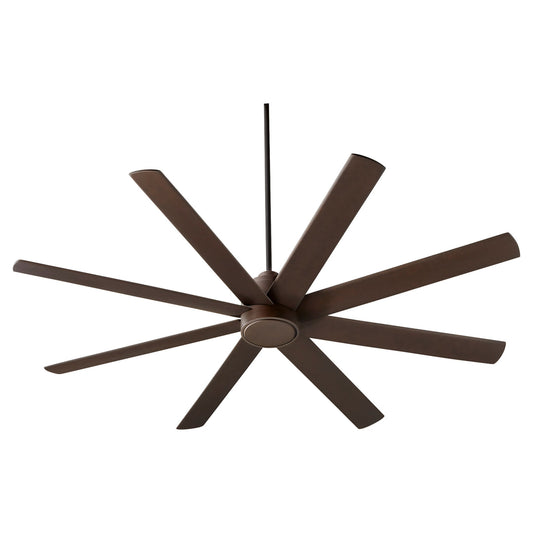
Why blend in when you can make a statement? We specialize in fans that become the focal point of a room. A perfect example is the incredible Artemis XL5, with prices starting from $872.00. Its nine beautifully contoured blades and whisper-quiet DC motor deliver serious airflow with an unforgettable modern look.
If you have a massive, open-concept space, the Andros is an absolute workhorse. Priced from $788.00, its huge blade span and efficient motor are built to circulate a ton of air in great rooms and spaces with vaulted ceilings—all without making your electricity meter spin out of control.
We can offer this kind of quality thanks to major advancements in global manufacturing. The Asia-Pacific region has become a powerhouse for ceiling fan innovation, with countries like India and China making cost-effective BLDC motor production a reality. These global ceiling fan market trends ultimately mean we can bring you superior, highly efficient fans at better prices.
Curated Collections For Every Style
Finding the right fan shouldn't feel like a chore. That’s why we’ve sorted our best models into collections that make it easy to find what you need for your space and your style.
Investing in a premium, energy-efficient fan isn't an expense; it's a long-term upgrade for your home's comfort, style, and sustainability.
- 6+ Blades Collection: If you need to move the maximum amount of air in a large room, this is where you start. These fans are engineered for pure performance and create a bold, impressive look.
- Modern Collection: For those who love clean lines and uncluttered design, this collection is your go-to. You'll find sleek, contemporary fans that melt right into modern homes.
Now that you understand CFM/W, DC motors, and blade design, you can use our collections to make a choice you’ll be happy with for years. To make sure you’ve got all your bases covered, our comprehensive Ceiling Fan Buying Guide is packed with even more helpful advice.
A Few Final Questions About Efficient Fans
As you get ready to pick out the perfect fan, a few last-minute questions usually pop up. That’s a good thing! It means you’re thinking through the details, and when you’re investing in your home's comfort, the details matter. Here are some straightforward answers to the questions we hear most often.
Are Energy Efficient Fans Really Worth the Higher Price?
In a word, yes. It's true that a high-end fan with a DC motor might have a higher price tag, often starting around $300. But think of it less as an expense and more as an investment that pays you back.
These fans are workhorses, using up to 70% less energy than older AC models. That's not just a number on a spec sheet—it's real money you'll see shaved off your monthly electricity bills. Over the life of the fan, especially if you live somewhere warm and run it a lot, those savings can easily add up to more than the initial cost.
But you're not just buying efficiency. You're getting a better fan, period.
- Whisper-quiet operation: You'll barely know it's on, which is a game-changer for bedrooms and home offices.
- Precision control: With six or more speed settings, you can dial in the perfect amount of breeze, something older fans just can't do.
- Built to last: Better motors and better parts mean you’re getting a fan that will run reliably for years and years.
It’s an upgrade that makes your home feel better and helps your wallet, too.
Can I Actually Use a Fan to Save Money in the Winter?
Absolutely, and it’s one of the smartest (and most overlooked) features of a modern ceiling fan. It turns your fan from a summer-only appliance into a year-round energy saver. All of our best fans have a reversible motor, which you can usually switch right from the remote.
Here’s how it works: in the winter, you set the fan to spin clockwise on its lowest speed. Instead of blowing air down, this direction pulls cool air up. This gently pushes all that warm air that’s risen and gotten trapped at the ceiling back down into the room where you can actually feel it.
By circulating the heat, your room feels warmer and more comfortable. Your furnace or heater doesn't have to kick on as often to keep the space at your set temperature, which means you’ll see some nice savings on your heating bills.
Does a Fan with More Blades Mean It's Better?
That’s one of the biggest myths out there. The number of blades on a fan doesn't really tell you much about how powerful or efficient it is. What truly matters is the combination of the motor, the blade pitch (their angle), and the overall aerodynamic design.
In fact, many of the most efficient fans on the market use just two or three masterfully designed blades to move air with incredible power and almost no drag. Adding more blades can sometimes create more resistance, forcing the motor to work harder and actually reducing its efficiency.
Forget the blade count. The real measure of a fan's power is its CFM/W (airflow per watt) rating. That number cuts through the marketing and tells you exactly how much breeze you get for every bit of electricity you use.
Do I Need an Electrician to Install My New Ceiling Fan?
While a very handy DIYer might be tempted to install it themselves, we strongly recommend hiring a licensed electrician. This isn't just about convenience; it’s about safety. A ceiling fan is a heavy, spinning appliance hanging over your head.
An electrician will make sure the junction box in your ceiling is properly braced and rated to hold the fan's weight and handle its motion—preventing a dangerous fall. They'll also ensure every wire is connected correctly, which eliminates fire hazards and guarantees your fan, light, and remote all work perfectly right out of the box. For a high-quality fan, professional installation is a small price to pay for peace of mind.
Ready to feel the difference a truly great fan can make? At Fan Connection, we've gathered a stunning collection of the most energy-efficient and stylish models available. Whether you want a bold statement piece or something sleek and modern, we have the perfect fan to elevate your space. Explore our collections and upgrade your home today at https://www.fanandlights.com.


