

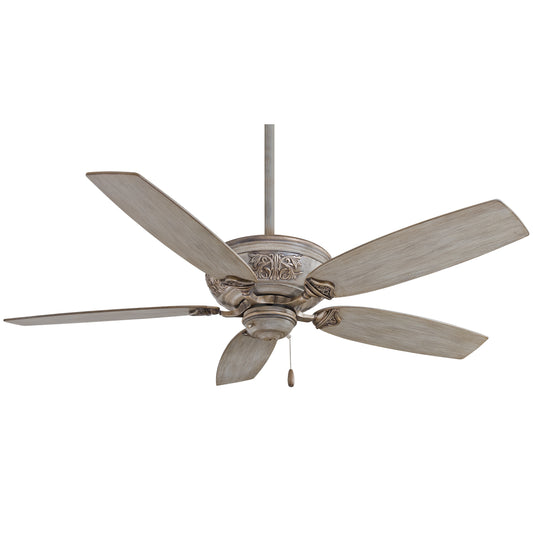

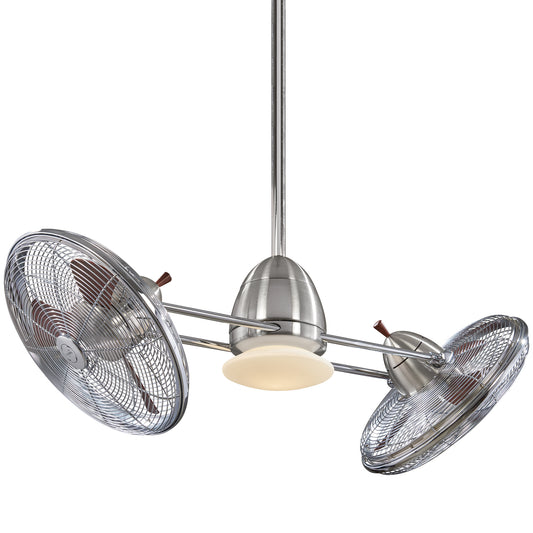

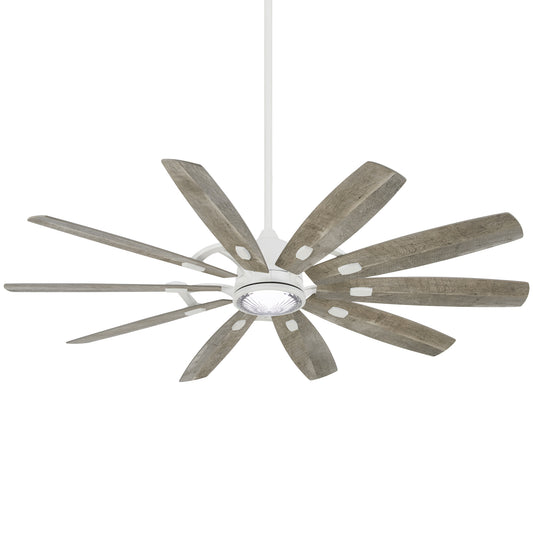

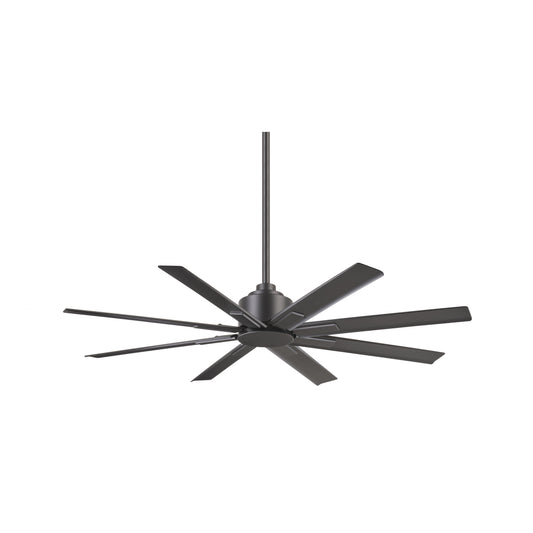







Green Ceiling Fan Guide: Find Your Eco-Chic Style
A room can be beautifully furnished and still feel unfinished. The sofa is right. The rug works. The lighting is layered. Yet the air feels flat, and the ceiling looks like a blank fifth wall doing absolutely nothing for the space.
That’s often where a green ceiling fan changes the whole mood. It adds movement, color, and a quiet sense of freshness that a standard white fan never delivers. If you choose well, it also gives you the kind of performance that makes the room feel better every single day, not just prettier in photos.
The fun twist is that “green” can mean two things at once. It can mean a gorgeous sage, olive, mint, or forest finish that softens a room or gives it edge. It can also mean a smarter, more efficient motor choice that helps you cool a space with less waste. That pairing of style and performance is where the best ceiling fan choices live.
The Finishing Touch Your Room is Missing
I see this all the time in living rooms and bedrooms that are almost there. A homeowner has invested in warm wood tones, linen drapes, and a beautiful paint color, but the room still feels visually top-heavy or a bit stuffy by late afternoon. The missing piece isn’t always another chair or side table. Sometimes it’s the thing overhead.
A green ceiling fan can act like jewelry for the room. It breaks up an empty ceiling plane, introduces a nature-inspired accent, and gives the eye something sculptural to land on. In a neutral room, a soft sage fan can feel serene. In a bold room, a deep green fan can become the statement piece that ties the palette together.

There’s a practical reason this category matters more than it used to. The global ceiling fan market is projected at USD 4.61 billion in 2026 and expected to reach USD 5.66 billion by 2035, driven by demand for energy-efficient options, according to ceiling fan market projections. That same source notes the U.S. Department of Energy says ceiling fans can reduce cooling costs by up to 40%.
That’s why this choice isn’t just decorative. It’s one of those rare home upgrades that can improve comfort, support a more intentional design story, and help you use cooling more wisely.
Why green feels so right indoors
Green works because it sits in a sweet spot between color and calm. It has more personality than beige, but it’s usually easier to live with than bright blue or red. It also plays beautifully with natural materials like cane, oak, walnut, plaster, brass, and stone.
If you already love biophilic interiors, green overhead makes even more sense. It can echo your foliage and make the room feel layered instead of matchy. If you’re styling your room with plants, this guide on how to decorate with houseplants gives useful ideas for balancing greenery without making the space feel crowded.
A ceiling fan shouldn’t look like an appliance you tolerated. It should look like a design decision you meant to make.
When a fan becomes a design move
A standard fan disappears. Sometimes that’s fine. But when a room needs energy, a green ceiling fan can do more than disappear politely.
It can:
- Anchor a seating area by visually centering the room
- Echo botanical tones in art, textiles, or plants
- Add softness or drama depending on the shade and silhouette
- Make comfort feel intentional instead of purely mechanical
That’s the shift. You’re not just buying airflow. You’re choosing atmosphere.
Decoding the Shades of Green
Not all greens tell the same story. “Green ceiling fan” sounds simple until you realize one version feels airy and Scandinavian while another feels moody and refined. If you pick the right shade, the fan stops feeling like a utility item and starts acting like part of the room’s color architecture.
Sage green for calm rooms
Sage is the peacemaker. It’s the shade I’d use in bedrooms, reading nooks, relaxed living rooms, and kitchens with natural textures. It works especially well with pale oak, creamy whites, brushed brass, and woven materials.
If your room already has soft contrast, sage won’t shout over it. It just smooths everything out. A sage fan with simple blades can feel especially elegant in a room that leans quiet and modern.
Mint green for playful spaces
Mint has a lighter, brighter personality. It can go retro, coastal, or cheerful depending on the shape of the fan and the finishes around it. In a breakfast nook, sunroom, or guest room, mint can feel charming rather than precious.
Try pairing mint with:
- White and chrome for a crisp vintage look
- Light maple or ash wood for something breezy
- Patterned textiles if you want a room with a bit more personality
Mint is best when the room has enough natural light to let the color read fresh instead of icy.
Forest green for drama
Forest green is rich. It has presence. It belongs in rooms where you want contrast and confidence, especially with black accents, dark wood, leather, or warm metals.
A forest green ceiling fan can look almost architectural in a dining room or office. It’s a smart move when your furniture is already substantial and you want the fan to feel equally grounded.
Design shortcut: The deeper the green, the more important the room’s other finishes become. Dark green loves repetition. Echo it in a pillow, vase, artwork, or cabinet color so it feels integrated.
Olive green for earthy sophistication
Olive sits between rustic and refined. It’s less pastel than sage and less dramatic than forest. If your room mixes old and new, olive often lands beautifully because it has a slightly lived-in, worldly quality.
It works with terracotta, linen, aged brass, walnut, and stone in a way that feels collected. Olive is especially good for homes that don’t want a trendy color moment. It feels more enduring.
For inspiration on how different silhouettes and finishes are evolving, the roundup on ceiling fan design trends is a helpful visual reference.
A simple way to choose your green
If you’re stuck, use the room’s mood as your filter.
| Room mood | Green to consider | Best supporting materials |
|---|---|---|
| Soft and restful | Sage | light wood, linen, plaster |
| Happy and casual | Mint | white, chrome, casual patterns |
| Bold and polished | Forest | black, walnut, leather, brass |
| Warm and grounded | Olive | terracotta, natural stone, aged metal |
Color choice gets easier when you stop asking, “What green is popular?” and start asking, “What emotional tone do I want overhead?”
Matching Your Green Fan to Your Style and Space
Once you know the shade, form matters just as much. Blade shape, blade count, mounting style, and finish details all change the way a green ceiling fan reads in a room. A muted green fan with three sleek blades feels very different from a tropical model with leaf-shaped blades, even if the color family is similar.

Modern spaces like cleaner silhouettes
If your room has sleek furniture, fewer accessories, and strong architectural lines, lean toward a modern fan with a restrained profile. A 3 Blade style often works beautifully here because it feels sculptural rather than busy.
Models in the spirit of Apex, Axis, or Bola suit spaces that want the fan to look intentional and edited. A dusty green or olive finish can soften a minimalist room without cluttering it visually.
Rustic and farmhouse rooms need warmth
Rustic interiors usually benefit from fans that feel substantial. More visible texture, wood-tone details, or a fuller blade arrangement can help the fan connect with beams, dining tables, or mixed vintage pieces.
In rooms with farmhouse energy, styles like Barn, Bowie, or Chateaux feel more at home than ultra-sleek silhouettes. Here, a green finish reads less fashion-forward and more grounded, especially when paired with warm woods and matte metal.
Tropical rooms can carry more personality
Green allows for playful design. In a sunroom, covered patio, airy bedroom, or vacation-style living area, tropical collections make sense because the blades themselves contribute to the room’s story.
Fans such as Cabana or Andros can create a resort-like look, especially when layered with rattan, white upholstery, and leafy plants. The fan becomes part of the styling, not just part of the ceiling.
The vaulted ceiling problem people discover too late
One of the most overlooked details in fan shopping is ceiling angle. A lot of shoppers choose a low-profile fan because they like the compact look, then realize it won’t work on a sloped ceiling.
A source focused on green and slope-compatible listings notes that nearly 25% of U.S. homes feature vaulted ceilings, and many low-profile green fans aren’t compatible with angled installations, making a downrod-compatible model important for safety and performance, as noted in this sloped ceiling compatibility reference.
If your ceiling slopes, don’t shop by color first. Shop by mount type first, then narrow by finish.
That single decision saves a lot of frustration.
How to think about layout before you buy
A fan doesn’t float in design isolation. It relates to your table, bed, seating group, and traffic flow. Before committing to a size or style, it helps to look at the room from above, not just straight on. This guide on how to plan your room layout is useful for visualizing how a ceiling fixture fits the furniture below.
For a broader overview of practical fit, installation style, and room matching, the article on how to choose a ceiling fan is worth browsing.
A quick room-style match list
- Minimalist apartment. Try a 3-blade fan with a muted green finish.
- Farmhouse dining room. Look for a fuller silhouette with warm wood notes.
- Coastal bedroom. Choose a soft green with an airy blade profile.
- Covered patio. Tropical styling can feel playful and completely right.
- Vaulted great room. Prioritize downrod compatibility before anything else.
A green ceiling fan works best when color, silhouette, and mounting style all agree with the room.
Performance Perfected The Engine Behind the Elegance
A beautiful fan that barely moves air is décor cosplay. Performance is crucial. The most satisfying green ceiling fan is one that looks sharp and improves the feel of the room the second you switch it on.

CFM is the fan’s breathing power
CFM means cubic feet per minute. In plain English, it tells you how much air the fan moves. I like to think of it as the fan’s breathing strength. A weak breather won’t do much in a large room. A stronger one can make a space feel noticeably more comfortable.
CFM matters, but it doesn’t live alone. Blade design, motor type, room size, and mounting height all influence how that airflow feels in real life. Still, CFM is one of the clearest clues that separates a decorative spinner from a serious comfort tool.
Here’s a practical sizing guide you can use as a starting point.
| Room Size (sq. ft.) | Fan Diameter (inches) | Ideal CFM Range |
|---|---|---|
| Small room | 44 inches or less | Lower airflow range suited to compact spaces |
| Medium room | 48 to 52 inches | Mid-range airflow for everyday living areas |
| Large room | 54 inches or more | Higher airflow for open layouts and larger rooms |
The exact model specs matter, but this table gives you the logic: bigger room, larger diameter, stronger airflow target.
DC motors are where the real green story begins
A lot of listings focus on blade color and barely mention the motor. That’s backward. The finish catches your eye, but the motor determines how smart the fan really is.
According to a market summary focused on green-blade and DC trends, modern DC motor fans achieve over 70 CFM/Watt, while older AC motors often struggle to reach 40 CFM/Watt, highlighting a major efficiency edge for DC technology in this DC versus AC efficiency reference.
That’s the part many shoppers miss. A green ceiling fan isn’t environmentally thoughtful just because it’s green-colored. The more meaningful “green” feature is often the DC motor inside it.
Why DC feels better to live with
DC motor fans tend to offer a more refined experience. They’re often quieter, smoother, and more flexible than older AC designs. You usually get more speed options, better control, and a motor that feels less clunky in daily use.
That matters in spaces where you notice sound and comfort:
- Bedrooms where mechanical hum gets annoying fast
- Living rooms where airflow should feel even, not aggressive
- Home offices where background noise matters
- Covered outdoor areas where you may run the fan for long stretches
Practical rule: If you’re investing in a premium finish, pair it with premium motor technology. Otherwise, you’re paying for looks and settling on performance.
Efficiency isn’t only about bills
Lower energy use is great, but efficiency also affects the feel of ownership. A better motor often means finer adjustments, less noise, and a fan you use more often because it’s more pleasant.
If you want a deeper overview of why efficiency matters in everyday use, this piece on energy efficiency and cost savings in ceiling fans is a solid companion read.
Blade shape and sizing still matter
Even with a strong motor, a fan needs the right geometry. Blade pitch, blade count, and overall span influence how air is delivered. Some fans create a broad gentle wash of air. Others feel more direct.
That’s why performance shopping works best when you check four things together:
- Room size
- Fan diameter
- Motor type
- Airflow efficiency
A gorgeous green fan with a modern DC motor is where form and function finally stop arguing.
Beyond Airflow Lights Controls and Outdoor Use
A fan can do a lot more than circulate air. The right extras make it easier to use, easier to live with, and much better suited to the room where it’s going.
Integrated lights that actually help the room
A ceiling fan with an integrated light can solve two problems at once. It cools the room and supports the lighting plan. In bedrooms, that can mean a cleaner ceiling with fewer fixtures competing for attention. In smaller dining rooms or guest rooms, it can keep the look simple.
The best setups usually feel layered rather than harsh. Dimmable lighting is especially useful because the same room needs different moods at different times. Bright for cleaning, softer for evening, and somewhere in between for daily life.
Controls have gotten much smarter
The pull chain isn’t gone, but it’s no longer the most interesting option. Many premium fans now come with handheld remotes, wall controls, or smart features that make fine-tuning speed and light levels much easier.
That direction fits the larger market shift. The global market for energy-saving DC ceiling fans was valued at USD 3.1 billion in 2024, and growth is being driven in part by features such as multi-speed settings and smart controls, according to this overview of the energy-saving DC ceiling fan market.
If you want a practical look at app-based operation and connected features, the guide to smart fan control options is useful.
Indoor, damp, and wet are not interchangeable
This is one of the easiest ways to buy the wrong fan. The room may look “outdoorsy,” but the actual exposure level determines the rating you need.
Use this quick filter:
- Indoor fan. Best for bedrooms, living rooms, dining rooms, offices, and enclosed interior spaces.
- Damp-rated fan. Good for covered patios, porches, or sunrooms where moisture is present but direct weather exposure is limited.
- Wet-rated fan. Made for places where rain or direct water exposure is possible, such as open pergolas or more exposed exterior settings.
Buy for the environment the fan will live in, not the environment you wish it lived in.
Feature priorities by room
Different rooms care about different add-ons.
| Space | Most useful feature focus |
|---|---|
| Bedroom | quiet motor, dimmable light, remote |
| Living room | smart control, strong airflow, integrated light |
| Covered porch | damp rating, simple controls, durable finish |
| Open outdoor zone | wet rating, durable construction |
The right feature set makes a fan feel less like a fixture and more like part of how the room works.
Meet the Green Machines Fan Connections Premier Models
Some fans are merely practical. Others feel like the final layer that makes the room click. If you’re shopping in the $300 and up range, you’re usually paying for stronger materials, more refined design, and better motor technology. That’s where the value starts to show.

Artemis XL5 for sculptural modern rooms
The Artemis XL5 is for people who want the ceiling fixture to behave like art. Its blade shape has a fluid, architectural quality that works beautifully in modern living rooms, open bedrooms, and high-design dining areas.
This is the kind of fan that earns its premium positioning because it doesn’t just cool the room. It changes the silhouette of the ceiling. In a green finish, it feels especially elevated because the color adds depth to an already sculptural profile.
Aerovon for sleek loft energy
The Aerovon suits spaces that want less ornament and more precision. Think loft apartments, modern offices, and renovated homes where every object has to justify its presence.
Its appeal is discipline. Clean blades, a crisp profile, and a look that doesn’t compete with the room. If you want a green ceiling fan that reads subtle from afar but smart up close, Aerovon is a compelling pick in the premium bracket.
Premium fans justify their price when design quality and motor quality rise together.
Cabana for resort-style warmth
The Cabana leans into atmosphere. It’s the kind of fan that belongs where you want ease and breeziness, whether that’s a sunroom, covered patio, or bedroom styled with woven textures and relaxed neutrals.
A green-toned tropical fan can be a brilliant move when you want the room to feel layered and transportive. Cabana doesn’t pretend to be invisible. It contributes character, which is exactly the point.
For a closer look at fan styling in motion, this quick video gives useful visual context:
Andros and Apex for two different kinds of confidence
Andros is great for rooms that can support a bit of personality. It feels at home in expressive interiors where a fan should be noticed. Apex, by contrast, is cleaner and sharper, ideal for contemporary spaces that need polish without extra flourish.
Both point to the same lesson. Once you move past entry-level shopping, you’re not only picking a fan. You’re selecting how visible you want the fan to be in the room’s identity.
Why better motors matter at this level
Higher-end fans often feature ECMs, which are a type of DC motor. Advanced ECM technology such as Vari-Green can be up to 250% more energy-efficient than standard motors, while also delivering more consistent airflow and quieter operation, according to this overview of Vari-Green ECM fan technology.
That doesn’t mean every premium ceiling fan uses the same system. It does mean the upper end of the market often invests more heavily in motor sophistication, and that’s one reason a fan priced above $300 can make sense as a long-term buy.
A simple premium shortlist
- Artemis XL5 for sculptural modern interiors
- Aerovon for minimalist spaces
- Cabana for tropical and indoor-outdoor styling
- Apex for clean-lined contemporary rooms
- Andros for expressive spaces with personality
The best premium green ceiling fan is the one that looks like it belongs in the room before you even turn it on. Then it wins you over again when you do.
Your Seamless Purchase at Fan Connection
Shopping gets easier when the store helps you narrow by style instead of making you scroll through a giant wall of products. That’s one reason curated collections are so useful. If you already know your room leans modern, tropical, or rustic, starting with a collection can cut through decision fatigue fast.
Start with the collection that matches your room
The simplest route is to browse by the visual language of the space. A 3 Blade collection helps if you want a cleaner, modern profile. A 5 Blade or 6+ Blades grouping can make more sense if your room wants a fuller look. Tropical collections are a shortcut when you already know you want that relaxed, resort-like mood.
This is also a smart way to avoid comparing completely different fan personalities at once. You make better decisions when the options are already speaking the same design dialect.
Check the practical details before you fall in love
A fan can look perfect and still be wrong for the room. Before checkout, confirm the basics:
- Mounting type for standard or sloped ceilings
- Room suitability for indoor, damp, or wet locations
- Motor and control style if quiet operation or smart features matter to you
- Price in USD so budgeting stays clear and predictable
That last part matters more than people think. Transparent pricing reduces that low-key stress shoppers feel when they aren’t sure what the final number will look like.
Payment confidence matters too
A smooth buying experience isn’t only about product selection. It’s also about checkout trust. Familiar payment methods make online purchasing feel routine in the best way. Options such as major cards, digital wallets, and payment platforms help shoppers choose what feels most secure and convenient.
If you’re buying for a renovation, multiple guest rooms, or a client project, that reliability becomes even more important. You want the process to feel orderly, not experimental.
Shop like a designer, not like a scroll zombie
A quick approach works well:
- Choose the room first
- Choose the style family
- Check mount type and rating
- Confirm motor and controls
- Compare only a few strong finalists
That method keeps the process focused. It also makes it much easier to end up with a green ceiling fan that feels right both aesthetically and practically.
Breathe Easy Your Fan for Years to Come
A good green ceiling fan does two jobs beautifully. It finishes the room with color and shape, and it supports comfort with smarter airflow. That’s why this category is so satisfying. You don’t have to choose between eco-minded function and strong design. You can have both in one object hanging right above you.
The best results come from treating the choice holistically. Shade matters. Blade style matters. Mounting matters. Motor technology matters. When those pieces line up, the fan doesn’t feel like an add-on. It feels inevitable, like the room always wanted it there.
A low-effort maintenance checklist
Keeping a fan looking sharp and running smoothly doesn’t require much, but consistency helps.
- Dust the blades gently with a soft cloth so the finish stays clean without scratching.
- Watch for wobble if the fan starts moving unevenly or sounding different than usual.
- Clean the light kit carefully if your model includes one, especially around diffusers or glass.
- Use the reverse setting seasonally if your fan includes it, so you get better year-round comfort.
- Check controls and remotes now and then so the fan stays easy to use.
For a practical walkthrough, the article on ceiling fan maintenance made easy is a handy reference.
Small maintenance habits protect both the finish you paid for and the performance you expect.
A green ceiling fan can be soft and subtle, bold and dramatic, tropical and playful, or sleek and architectural. The smartest ones also bring better motor tech into the picture, which is where the long-term payoff lives. Choose with both your eyes and your inner tech geek, and you’ll end up with a room that feels cooler, looks better, and works harder for you.
If you’re ready to find a green ceiling fan that delivers style, comfort, and premium performance, explore the curated collections at Fan Connection. It’s an easy place to compare modern, tropical, and statement-making designs, with transparent pricing in USD and a shopping experience built to help you buy with confidence.


