











Your Guide to The Best Low Profile Ceiling Fans
Ever walked into a room with a low ceiling and felt like a regular ceiling fan would be a head-bumping hazard waiting to happen? You're not alone. The answer is a low profile ceiling fan—a smart, space-saving cousin to the traditional fan that mounts directly to the ceiling to maximize headroom without sacrificing that much-needed breeze. It's the design world's secret weapon for bringing cool comfort to cozy spaces!
What Exactly Is a Low Profile Ceiling Fan?
A low profile ceiling fan, also known as a hugger or flush mount fan, is designed specifically for rooms with ceilings under eight feet. Think of it as the perfect solution for spaces where a standard fan with a downrod (that long pole connecting it to the ceiling) would hang too low, creating both a visual and physical obstruction. It's a game-changer for basements, hallways, and modern apartments.
Instead of dropping down several inches, the motor housing of a hugger fan attaches directly to the mounting bracket. This is what gives it that signature "hugging" look and its critical space-saving advantage. You get all the benefits of circulating air without giving up precious vertical space.
Why They're a Smart Choice for Modern Spaces
Choosing a low-profile model isn't just a workaround for a low ceiling; it's a strategic design decision. These fans offer a clean, unobtrusive look that feels right at home in minimalist and modern spaces, making a room feel more open and uncluttered. They prove you don't have to pick between safety and style.
Here's why they work so well:
- Safety Comes First: They are essential for meeting building codes, which often require at least 7 feet of clearance from the floor to the fan blades.
- They Optimize Your Space: By sitting flush against the ceiling, they make smaller rooms or those with low ceilings feel larger and more airy.
- Integrated, Clean Style: Their compact design creates a sleek, built-in look that blends right into your home's decor.
This quick overview breaks down the core concepts behind low profile fans.

As you can see, these fans strike a perfect balance between dealing with height constraints, delivering powerful airflow, and achieving a clean, modern look.
Low Profile vs Standard Ceiling Fans At a Glance
So, when do you need a hugger fan versus a standard one? Let's throw them in the ring and see how they stack up. This table breaks down the key differences to help you make the right call.
| Feature | Low Profile (Hugger) Fan | Standard (Downrod) Fan |
|---|---|---|
| Ideal Ceiling Height | Under 8 feet | 8 feet or higher |
| Mounting Style | Motor housing mounts directly to the ceiling bracket ("hugs" it) | Attaches to the ceiling via a downrod (a metal pipe of varying length) |
| Headroom Clearance | Maximum headroom, sits very close to the ceiling | Reduced headroom, hangs lower into the room |
| Airflow Efficiency | Good, but blades are closer to the ceiling which can limit flow | Optimal airflow, blades are positioned further down for better circulation |
| Aesthetic | Sleek, unobtrusive, minimalist | More traditional or decorative, often a prominent design feature |
| Best For | Bedrooms, hallways, basements, or any room with a low ceiling | Living rooms, great rooms, and spaces with standard or vaulted ceilings |
At the end of the day, the choice comes down to your ceiling height. If it’s under eight feet, a low-profile fan is almost always the correct and safest choice. For taller ceilings, a standard fan will give you better air circulation.
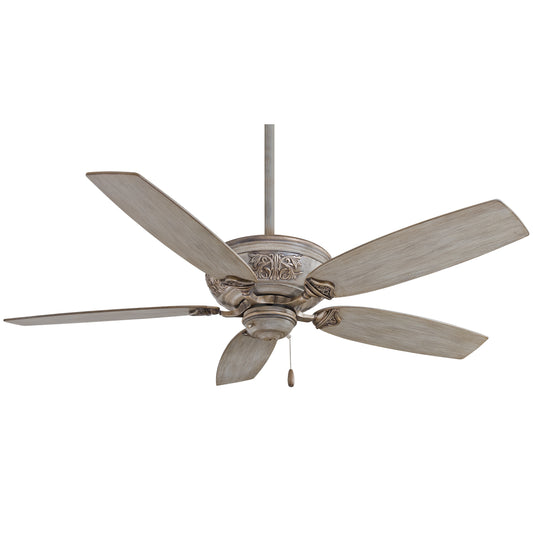
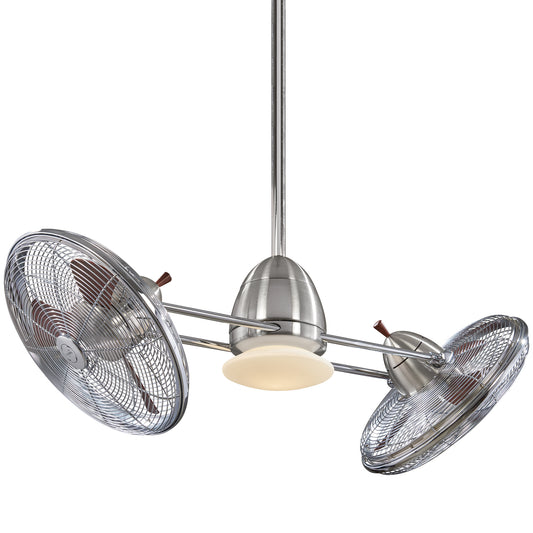
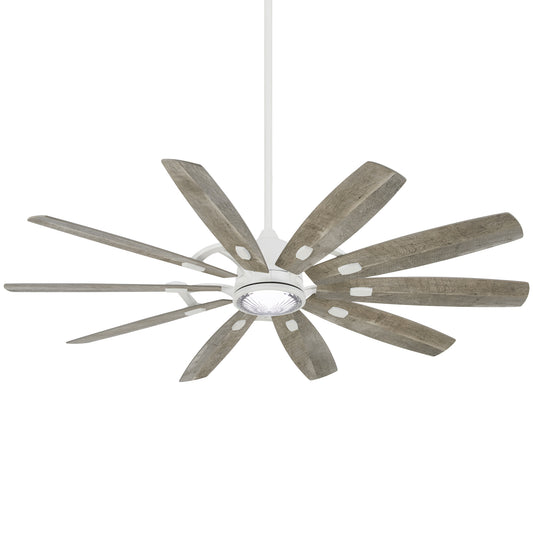
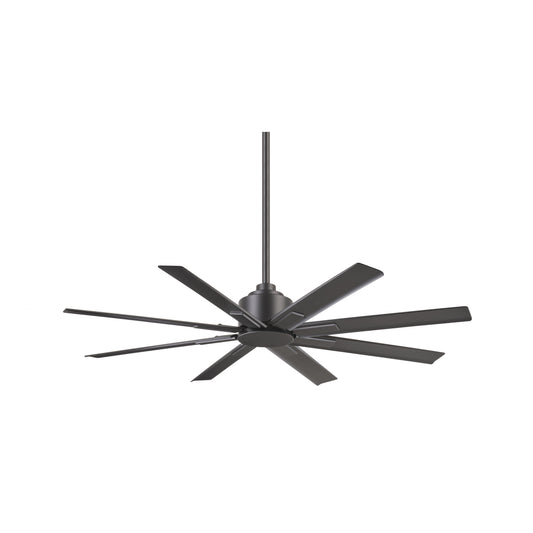
Finding the perfect high-end model is easier than ever. You can explore a whole galaxy of premium options without leaving your couch. For example, a sleek model like the Aviation or the sophisticated Artiste, both priced well over $300, offer powerful performance and stunning design for any project. For a deeper look into the mechanics, you might want to understand what a flush mount ceiling fan is. This isn't just about solving a problem; it's about upgrading your space with an efficient, stylish, and safe cooling solution.
The Real Benefits of Hugger Ceiling Fans

Let's be honest, picking a low-profile ceiling fan is about more than just finding something that fits. It’s a smart move that completely elevates a room, solving the headroom problem while dialing up the safety, style, and performance. Let's get into the good stuff.
The first and most obvious win is safety. This isn’t just about making sure your taller friends don't get an unwanted haircut. Building codes are very clear on this, typically requiring fan blades to be at least 7 feet off the floor.
Think about that cozy basement den or bedroom with a 7.5-foot ceiling. A standard fan, even with the shortest downrod, would quickly dip below that 7-foot safety line, creating a real hazard and a code violation. A hugger fan, on the other hand, sits tight against the ceiling, easily clearing that requirement and giving you priceless peace of mind.
Create a Visually Bigger and Brighter Space
Beyond just being practical, a low-profile fan is a secret weapon for interior designers. Its streamlined, compact shape creates a clean, minimalist look that makes smaller rooms feel way more spacious and open. It's like a magic trick for your ceiling!
Here’s why it works: a bulky, low-hanging fixture visually drags the ceiling down, making a space feel cramped and cluttered. A hugger fan does the complete opposite. By staying flush, it keeps the visual plane open, drawing your eye upward and creating an airy, uncluttered vibe. It’s a clever way to how to make a small room feel big without knocking down a single wall.
By blending form and function, a well-chosen low profile fan becomes more than just an appliance; it becomes an integral part of your room's design, enhancing its look and feel while providing essential comfort.
This design-first approach is exactly what you see in top-tier collections. For instance, a sculptural model like the sleek Amped (priced over $600) becomes a modern centerpiece that doesn’t overwhelm the space. Likewise, the magnificent Chateaux (over $800) proves you can have a bold, traditional look in a flush-mount design, no high ceilings required.
The Power of Modern Efficiency
Now, let's talk about performance, because this is where modern low-profile fans really pull ahead. There's a common myth that being so close to the ceiling kills airflow. While that might have been a fair point with old, wheezing models, today’s high-end hugger fans are engineered to be incredibly powerful.
The magic comes down to two things: better motors and smarter blade design.
- DC Motors: Many of the best low-profile fans now use DC (Direct Current) motors. These are a total game-changer, using up to 70% less energy than old-school AC motors while delivering some serious torque. That means you get a strong, whisper-quiet breeze without a nasty surprise on your energy bill.
- Aerodynamic Blades: Engineers now craft blades with specific pitches and aerodynamic shapes that grab and push air far more effectively, even when they’re right up against the ceiling.
This one-two punch ensures you get that refreshing breeze you’re looking for. A huge plus for hugger fans is how they contribute to your home's overall energy efficiency, helping you reduce air conditioning costs all year. By creating a wind-chill effect, they make the room feel several degrees cooler, letting you turn up the thermostat and save some cash.
For more design inspiration, be sure to check out our complete guide on what to look for in hugger ceiling fans. At the end of the day, choosing a modern low-profile fan isn't a compromise. It's a smart, stylish investment in your home's comfort, look, and efficiency.
How to Choose Your Perfect Low Profile Fan
Ready to find the right hugger fan for your space? I know the specs can feel a little technical, but we can break it down into four key factors. Nailing these down will help you shop with total confidence.
Let's walk through sizing, airflow, motor types, and features. By the end, you'll know exactly what to look for in a fan that not only fits your room but also seriously upgrades its comfort and style.
Get the Sizing Just Right
First thing's first: size is a huge deal. Picking the right blade span is probably the most important step to make sure your fan actually cools your room. If it's too small for a big room, it’ll just spin its heart out without moving much air. Too big, and a small room can feel like you're in a wind tunnel.
It’s all about matching the fan’s diameter to your room’s square footage.
Think of it like buying speakers. You wouldn't stick a pair of tiny computer speakers in a massive living room and expect amazing sound, right? Same idea here.
Here’s a quick cheat sheet to get you started:
- Small Rooms (Up to 100 sq. ft.): For spots like home offices, laundry rooms, or hallways, a blade span of 30 to 42 inches works perfectly.
- Medium Rooms (100-300 sq. ft.): This covers most bedrooms and standard living rooms. You’ll want to look for a fan with a 44 to 52-inch blade span.
- Large Rooms (Over 300 sq. ft.): For great rooms, open-concept areas, or spacious primary bedrooms, go big. You'll need a fan with a 54-inch or greater blade span to really get the air moving.
Just measure your room's length and width and multiply them together to find the square footage. That simple number is your best guide.
Understand the Power of Airflow (CFM)
While size gets you in the right ballpark, a fan's true muscle is measured by its CFM rating, which stands for Cubic Feet per Minute. This number tells you exactly how much air the fan moves. Forget getting hung up on motor size or how many blades it has—CFM is the real performance stat.
A higher CFM means more powerful air circulation and a better cooling effect. This is especially important for a low-profile fan, since the blades are closer to the ceiling. You need a fan with a strong CFM to effectively push air down and across the room.
When you're comparing two fans, always lean toward the one with the higher CFM if you prioritize a good breeze. It's the single most reliable number for figuring out how well a fan will cool you down.
For a bedroom or living area, a fan that delivers at least 4,000-5,000 CFM is a great target. If you're cooling a larger space or just love a strong breeze, look for premium models that push past 6,000 CFM.
Choose the Right Motor: AC vs. DC
The motor is the heart of your fan, and you’ll mostly see two types: AC (Alternating Current) and DC (Direct Current). AC motors have been the standard for decades, but modern DC motors have some serious advantages that are often worth the investment.
Here’s a quick breakdown:
| Feature | AC Motor Fans | DC Motor Fans |
|---|---|---|
| Energy Use | Standard efficiency, uses more electricity. | Highly efficient, can use up to 70% less energy. |
| Noise Level | Generally quiet, but can sometimes have a low hum. | Virtually silent operation, which is amazing for bedrooms. |
| Speed Options | Usually 3 speeds (low, medium, high). | Often 5-6 speeds for more fine-tuned control. |
| Cost | More budget-friendly upfront. | Higher initial cost, but saves you money in the long run. |
For a low-profile fan in a bedroom or any quiet space, a DC motor is the clear winner. That whisper-quiet operation means you can sleep peacefully, and the extra speed settings let you dial in the perfect airflow. A powerful, stylish fan like the Aviation (over $400) is a great example—it uses a DC motor to deliver awesome airflow silently, making it a fantastic investment for a primary bedroom where peace and quiet are everything.
Explore Features That Add Convenience and Style
Alright, now for the fun stuff—the features that make your fan a dream to use. Modern hugger fans aren't just spinning blades anymore; they’re smart, integrated fixtures that can make life a little easier.
Here are the key features to look for:
- Integrated LED Lighting: Lots of models now come with built-in LED lights. This is a brilliant space-saver, combining your room's main light and air circulation into one sleek fixture. Keep an eye out for options with dimmers and adjustable color temperatures.
- Remote Control: A remote is a non-negotiable for convenience. It lets you change the fan speed, reverse the direction for winter, and control the light from your bed or couch.
- Smart Home Compatibility: The latest high-end fans can sync up with systems like Amazon Alexa, Google Assistant, or Apple HomeKit. This means you can control your fan with voice commands or include it in your home automation routines.
A fan like the chic Artiste (over $600) pulls it all together. It has a beautiful, minimalist design, a powerful DC motor, and an integrated, dimmable LED light—the perfect statement piece for a living room. For even more tips on navigating all these choices, our comprehensive ceiling fan buying guide has you covered.
By balancing these four elements—size, airflow, motor, and features—you’ll be well on your way to choosing the perfect low profile ceiling fan for your home.
Room by Room Design Inspiration

Alright, you’ve got the technical stuff down. Now for the fun part: figuring out where these fans can really shine. A great low-profile ceiling fan isn't just a practical fix for a low ceiling—it's a design move that can completely elevate a room. Let’s walk through the house and see how these space-savers can transform each area.
It's no surprise this category has exploded. The global ceiling fan market is on track to jump from $11.83 billion in 2025 to $17.98 billion by 2034. Here in the U.S., standard and low-profile fans already dominate with a 56% market share. People love them because they’re reliable, easy to install, and perfect for renovations. It just goes to show how many of us are looking for these sleek, smart solutions.
The Living Room Statement Piece
The living room is where your style gets to show off. But in rooms with ceilings under eight feet, you need a fan that makes a statement without making the space feel cramped. This is the perfect spot for a larger, more sculptural model to become a functional centerpiece.
Think about a fan with a powerful motor and an eye-catching design. Something like the Chateaux, a premium model well over $800, is a perfect example. Its dramatic, flowing lines move a ton of air, but the flush mount design keeps it high and tight to the ceiling. It’s proof that you don’t have to give up high design for more headroom.
The Bedroom Sanctuary
In the bedroom, it’s all about comfort. You want a fan that provides a gentle, sleep-friendly breeze, and it absolutely must be silent. This is where a low-profile fan with a DC motor is non-negotiable. Their whisper-quiet performance means no humming or buzzing to interrupt your rest.
The goal is to create a serene retreat. Look for models that pair a silent motor with a clean, calming design. Fans with integrated, dimmable LED lights are another fantastic choice for bedrooms, letting you set the perfect, relaxed mood before you turn in for the night.
Small Spaces, Big Impact
What about those often-forgotten compact areas? Home offices, basements, converted attics, and even walk-in closets can feel a lot better with good air circulation. In these smaller footprints, a compact and efficient low-profile fan is the perfect solution.
When you're choosing a fan for a tight spot, remember that your choices can help make the room feel bigger. Focus on models with smaller blade spans—usually under 44 inches—that still pack a punch with a great CFM rating.
Pro Tip: In a small room, try matching the fan’s finish to your ceiling color. A white fan on a white ceiling blends in, creating an illusion of height and making the space feel less cluttered.
Taking the Breeze Outdoors
Don't forget your outdoor spaces! Covered porches, patios, and pergolas with low overhangs are ideal spots for a cooling breeze. For these areas, you'll need a damp-rated low-profile ceiling fan specifically built to handle humidity and moisture.
A model from a versatile collection like the Aviation series, with fans starting over $400, is an excellent choice. They bring together a tough, weather-resistant build and a stylish, compact design so you can relax outdoors in total comfort. For more ideas, check out the latest ceiling fan design trends. Whether your style leans rustic or modern, there's a premium low-profile fan to complete your outdoor oasis.
A Simple Guide to Low Profile Fan Installation

You’ve found the one—the perfect low profile ceiling fan that’s going to tie your room together. It looks great, and you know it’ll provide years of quiet, efficient cooling. Now for that last step: getting it up on the ceiling.
While we always recommend bringing in a licensed electrician for any wiring (safety first, always!), it’s a huge help to understand the process yourself. Knowing the ropes helps you have a smarter conversation with your contractor and ensures the job gets done right. Let's demystify the installation and walk through what to expect.
The Core Installation Process
Good news—installing a low profile ceiling fan is a lot like putting up a standard fan, but with one less step. The main difference? No downrod. That long pole is out of the picture, which makes the whole assembly feel a bit more straightforward.
The process boils down to three main stages: building the foundation, making the connections, and mounting the fan.
- Securing the Foundation: First things first, the fan's mounting bracket gets attached to the junction box in your ceiling. Think of this bracket as the backbone of the whole setup; it’s what will support the fan’s weight and handle the motion.
- Making Connections: Next up is the wiring. This is where the wires from your fan are carefully connected to the corresponding wires in the ceiling—usually the hot, neutral, and ground.
- Mounting the Fan: Finally, the fan’s motor housing is lifted and attached directly to that sturdy mounting bracket. This is where the “hugger” magic happens, as the body of the fan snugs right up against the ceiling for that clean, flush-mount look.
Pre-Installation Safety Checks
Before any tools come out, a pro installer will run through a few critical safety checks. These steps are non-negotiable and are what make the difference between a secure fan and a serious hazard.
A wobbly fan isn't just an annoyance; it's a danger. That’s why the most important check happens inside your ceiling.
Crucial Tip: The ceiling's electrical box must be fan-rated. A standard box made for a light fixture just isn’t built to handle the weight and dynamic force of a spinning ceiling fan. A fan-rated box is typically metal and screwed directly into a ceiling joist, so it’s not going anywhere.
Your electrician will confirm the box is up to snuff before they start. If it’s not fan-rated, it will have to be replaced. It's the single most important safety step to prevent a fan from ever coming loose.
Achieving a Smooth Wobble-Free Finish
The last part of any professional installation is all about refinement. You want your fan to run dead silent and perfectly smooth from day one, and nothing kills the vibe of a new fan like a persistent wobble. Fortunately, it’s almost always preventable.
For that perfectly balanced, wobble-free performance, your installer will focus on these key details:
- Tighten Every Screw: All the screws on the mounting bracket, motor housing, and blade holders need to be fully tightened down. A single loose screw is often the culprit behind an imbalance.
- Evenly Secured Blades: Each fan blade has to be attached to its bracket with the same amount of tightness. This ensures the weight is distributed evenly all the way around the motor.
- Balancing Kit Precision: If there's still a tiny bit of wobble, the installer will use the balancing kit included with most premium fans. This just involves placing small, counteracting weights on top of the blades to get things perfectly dialed in.
Now that you know the key steps, you can feel confident talking through the job with your electrician. This knowledge helps you make sure your investment is installed perfectly, so it's ready to deliver years of stylish comfort.
Common Questions About Low Profile Fans
When you're ready to invest in a quality fixture for your home, it’s only natural to have a few questions. Picking out the right low profile ceiling fan is a big decision, and you want to feel totally confident before you buy.
Let's clear the air and tackle the most common questions our customers ask. We’ll give you clear, straightforward answers to help you find the perfect fan for your space.
Are Low Profile Ceiling Fans Less Powerful?
This is probably the biggest myth out there, but modern engineering has completely busted it. The concern makes sense: since the blades are closer to the ceiling, can they really move as much air? While this might have been true for older, clunky models, it’s simply not the case with today’s premium fans.
The truth is, a fan's power is all about its CFM (Cubic Feet per Minute) rating—not its mounting style.
High-quality low profile ceiling fans are built with powerful, efficient motors and aerodynamically designed blades that excel at pushing air downward and outward. A top-tier hugger fan will easily outperform a generic, big-box standard fan every single time.
Don't get caught in the style versus power debate. A premium low profile model like the sleek Aviation (starting over $400) or the bold Amped (over $600) delivers outstanding airflow. The key is to focus on a high CFM rating to guarantee powerful cooling.
Can I Install a Low Profile Fan on a Sloped Ceiling?
The short and simple answer here is almost always no. Hugger fans are specifically engineered to mount flush against a flat ceiling. Their mounting bracket and hardware are designed for a perfectly horizontal surface and don't have the pivot mechanism needed to handle an angle.
Trying to install a flush mount fan on a sloped ceiling is not just tricky, it's unsafe. The fan would hang at an awkward angle, leading to serious wobble, strain on the motor, and a potential safety hazard.
If you have a vaulted or sloped ceiling, you'll need to go with a standard fan that uses a downrod. You can then pair it with a compatible sloped ceiling adapter, which allows the fan to hang perfectly level and operate smoothly and safely.
What Is the Minimum Ceiling Height for a Low Profile Fan?
Safety is always the number one priority, and building codes are very clear on this. For safety and comfort, fan blades must be at least 7 feet (84 inches) above the floor.
This is exactly where low profile fans become the hero of the story. They typically have a total height between 8 and 12 inches from the ceiling to the lowest point of the fan.
Let’s do some quick math:
- Imagine your ceiling is 7.5 feet tall (or 90 inches).
- You choose a stylish hugger fan that is 10 inches high.
- That leaves 80 inches of clearance from the floor to the blades—putting you short of the 84-inch (7-foot) requirement.
This makes low profile ceiling fans the only safe and appropriate choice for ceilings that are 8 feet tall or lower. Always measure your ceiling height from floor to ceiling before you shop to ensure you meet this critical safety standard.
How Do I Choose a High-End Low Profile Fan Worth the Price?
When you’re investing $300 or more in a premium ceiling fan, you should expect superior performance, durability, and style. It’s not just about looks; it's about what’s under the hood.
To make sure you're getting a fan that delivers true value, look for these three key elements:
- A DC Motor: For a luxury fan, this is non-negotiable. DC motors are whisper-quiet, incredibly energy-efficient (using up to 70% less energy than old-school AC motors), and offer more speed options for precise airflow control.
- Superior Materials: High-end fans just feel different because they're made from better stuff. Look for details like solid wood blades, die-cast metal housings, and premium finishes. These components ensure your fan runs smoothly and wobble-free for years.
- Advanced Controls: A premium fan should be convenient. Expect a multi-function remote that operates the speed, direction, and light. Even better, look for smart home integration that allows for voice commands.
Models like the elegant Artiste (over $600) or the grand Chateaux (over $800) embody these qualities. They combine stunning design with the high-performance engineering that defines a luxury fan and provides lasting value.
At Fan and Lights, we've curated an extensive collection of premium low profile fans to suit any style and space. Whether you're looking for a powerful statement piece or a sleek, minimalist design, you'll find the perfect fit to elevate your home's comfort and decor. Explore our Low Profile Ceiling Fans collection today and find the ideal solution for your room.


