











A Guide to Vintage Style Ceiling Fans
Vintage style ceiling fans are so much more than a way to cool a room. They're functional statement pieces that bring a sense of history and character into modern homes. These fans are where timeless design meets contemporary performance, giving you both enduring elegance and practical airflow. Get ready to turn your ceiling into the fifth wall of style!
Why Vintage Style Ceiling Fans Are Timeless
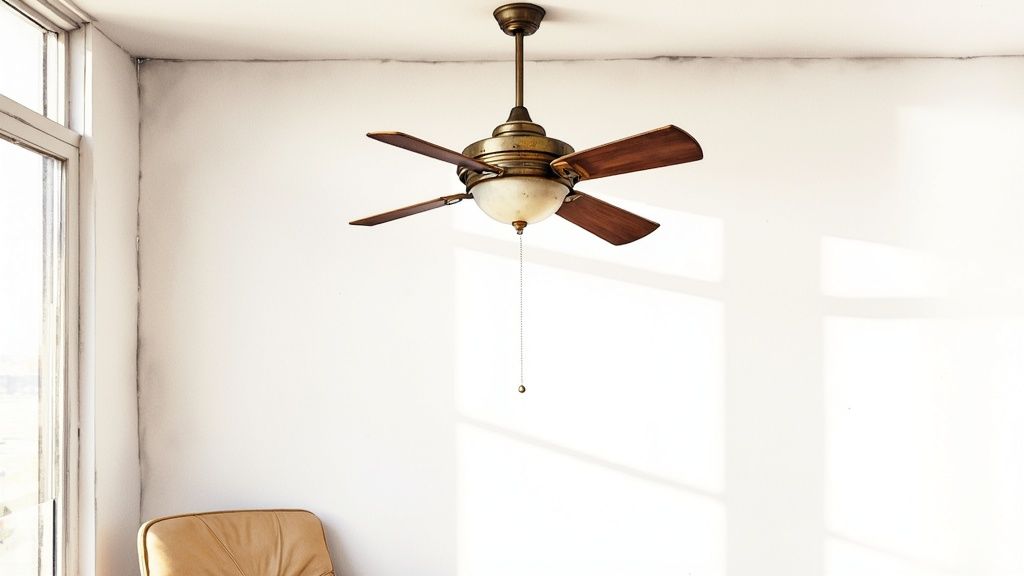
Have you ever walked into a room and felt instantly drawn to a single design element? A high-quality vintage style ceiling fan often has that effect. It’s not just another appliance; it’s a centerpiece that anchors the room’s aesthetic, telling a story of craftsmanship and classic design. It’s the kind of detail that makes guests look up and say, "Wow, where did you get that?"
These fans pull off a neat trick: they evoke a sense of nostalgia while fitting perfectly into today's most popular interior styles, from industrial lofts to cozy farmhouses. Their charm lies in that ability to feel both historical and fresh at the same time. They serve a dual purpose, providing essential air circulation while adding a layer of visual interest that generic, modern fixtures often just can't match.
More Than Just a Trend
The appeal of vintage design is seeing a serious comeback. And it’s not just about looks—homeowners are actively seeking authentic, well-made pieces for their renovations. In North America, vintage ceiling fans accounted for roughly 15% of total ceiling fan sales in 2023, and their growth is actually outpacing the broader market. This resurgence points to a collective appreciation for items with a little more soul and character.
What truly defines a 'vintage style' fan isn't just its appearance. It’s the commitment to superior materials, intricate motor housing details, and blade shapes that reflect a specific historical era.
An Investment in Quality and Character
When you invest in a premium vintage style ceiling fan, which often starts at $300 or more, you're buying more than just a look. You're investing in:
- Superior Craftsmanship: These models feature robust materials like solid wood, cast iron, and aged bronze that are built to last for years.
- Powerful, Quiet Motors: Higher-end fans almost always come with better motor technology for efficient and whisper-quiet operation.
- Distinctive Designs: From ornate Victorian details to the clean lines of Mid-Century Modern, each fan is a carefully crafted piece of functional art.
For anyone drawn to this classic appeal, understanding the nuances between different historical looks is key. You might also be interested in exploring the specific features of traditional ceiling fans to see how they compare and complement a vintage aesthetic.
Ultimately, choosing a vintage fan is about adding a piece of timeless elegance to your home—one that works just as hard as it looks good.
Breaking Down the Elements of Vintage Design
So, what exactly gives a vintage-style ceiling fan that authentic, captivating feel? It's never just one thing. It's a thoughtful blend of materials, shapes, and tiny details all working in harmony. This is where you can really see high-quality craftsmanship shine, turning what could be a simple appliance into a deliberate piece of historical art.
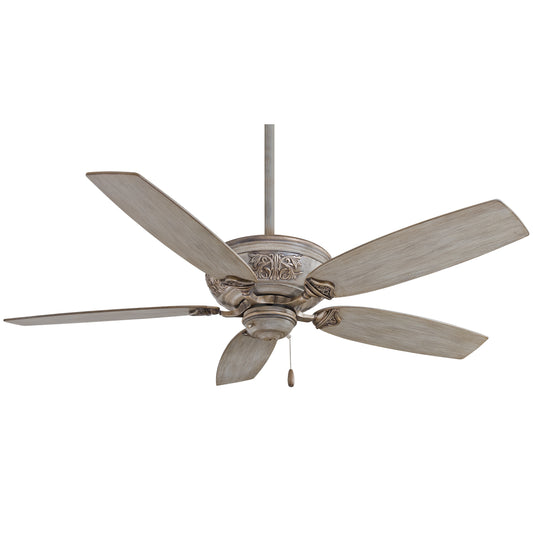
Authenticity starts with the materials and finishes. The best vintage fans often use rich, warm metals that give you a sense of history and permanence. Forget basic paint jobs—think about the deep, complex tones of aged bronze, the inviting glow of brushed brass, or the rugged, handsome appeal of oiled bronze. These finishes aren't just a surface-level coating; they add texture and depth that mimic the natural patina of a treasured antique.
Of course, the blades play a huge part, too. Distressed or reclaimed wood can bring a rustic, farmhouse character to a room, while sleek, curved blades might hint at a Mid-Century Modern vibe. The whole point is to create a look that feels curated and intentional, not like something that just rolled off a generic assembly line.
The Heart of the Design: Motor Housings and Lights
While the blades and finish set the mood, the motor housing is often the true star of a vintage-style ceiling fan. This is where designers really get to inject personality. Instead of a plain, functional cylinder, you’ll find gorgeous, ornate castings with intricate scrollwork, ribbed details that call to mind old industrial machinery, or even the sleek, geometric shapes of the Art Deco era.
These decorative housings do more than just hide the motor; they anchor the entire aesthetic of the fan.
A vintage fan's motor housing is like the signature on a piece of art—it’s the definitive mark of its style and era. It tells a story, turning a simple fixture into a conversation starter.
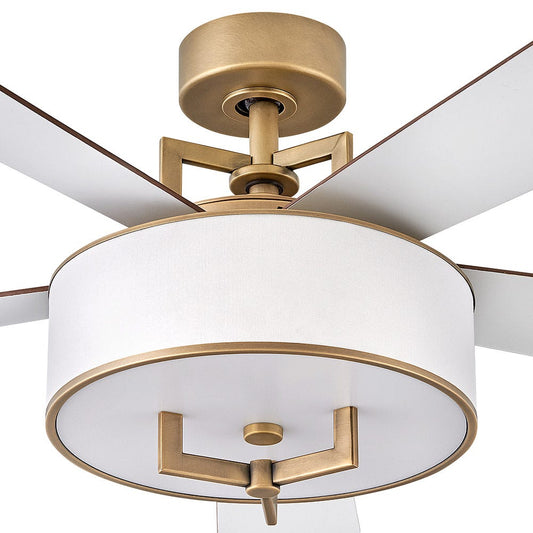
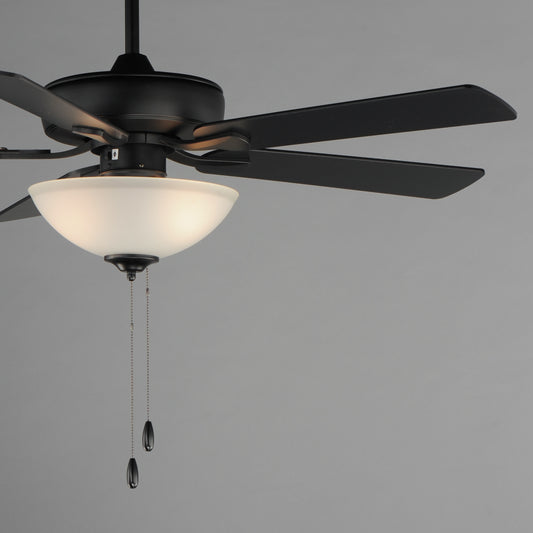
Lighting is the final, make-or-break element. Many vintage designs incorporate beautiful, period-appropriate light kits that feel like they belong. These can range from elegant candelabra-style fixtures with multiple arms to charming schoolhouse globes that cast a soft, diffused glow. The light fixture is never an afterthought; it’s an integral part of the fan’s design, completing the historical story it’s trying to tell.
How Vintage Finishes Shape Your Room's Style
The finish you pick for your fan has a massive impact on your room's overall vibe. It’s the secret ingredient to creating a cohesive, elevated look where everything feels like it belongs together.
Here's a quick reference guide to help you match some of the most popular vintage fan finishes with common interior design styles.
| Finish | Primary Material | Best For Styles | Typical Price Point |
|---|---|---|---|
| Aged Bronze | Cast Iron / Steel | Industrial, Rustic, Farmhouse | $350 - $600+ |
| Brushed Brass | Brass / Steel | Mid-Century Modern, Glam, Art Deco | $400 - $750+ |
| Distressed Wood | Solid or Engineered Wood | Coastal, Farmhouse, Shabby Chic | $300 - $550+ |
| Polished Nickel | Nickel / Steel | Traditional, Transitional, Modern | $450 - $800+ |
At the end of the day, understanding these core components gives you the language to spot true quality. When you see how all these elements come together in a high-end model, you realize you're not just buying a fan—you're choosing a piece with genuine character that will define your space for years to come.
How to Choose the Right Fan for Your Room
Picking the perfect vintage style ceiling fan is all about finding that sweet spot between nostalgic looks and modern-day performance. It’s easy to fall in love with a certain finish or blade design, but the technical details are what make sure your fan provides real comfort and efficiency for years. Think of it as a decision where proportion, power, and practicality have to line up just right.
It all starts with your room's dimensions. A fan that’s too small for a big space will just spin its wheels, struggling to move air and becoming more of a decoration than a functional appliance. On the flip side, putting a huge fan in a tiny room can create an overwhelming, unpleasant wind tunnel.
Sizing Your Fan for Perfect Airflow
The secret to great airflow is matching the fan's blade span—the full diameter from the tip of one blade to the tip of the opposite one—to your room's square footage. This simple step ensures the fan moves just the right amount of air to create a gentle, consistent breeze.
Here’s a quick guide to get you started:
- Small Rooms (Up to 75 sq ft): Look for a blade span of 29-36 inches. These are perfect for home offices, laundry rooms, or walk-in closets.
- Medium Rooms (75 - 175 sq ft): A blade span of 42-48 inches is the sweet spot for most bedrooms, kitchens, and standard living rooms.
- Large Rooms (Over 175 sq ft): You’ll want a fan with a 52-inch or larger blade span to properly cool a great room, open-concept living area, or large master suite.
Want to get even more specific? Our comprehensive guide on how to choose a ceiling fan breaks it down even further.
This handy decision tree can help you visualize how to match popular vintage finishes with your room's core style.
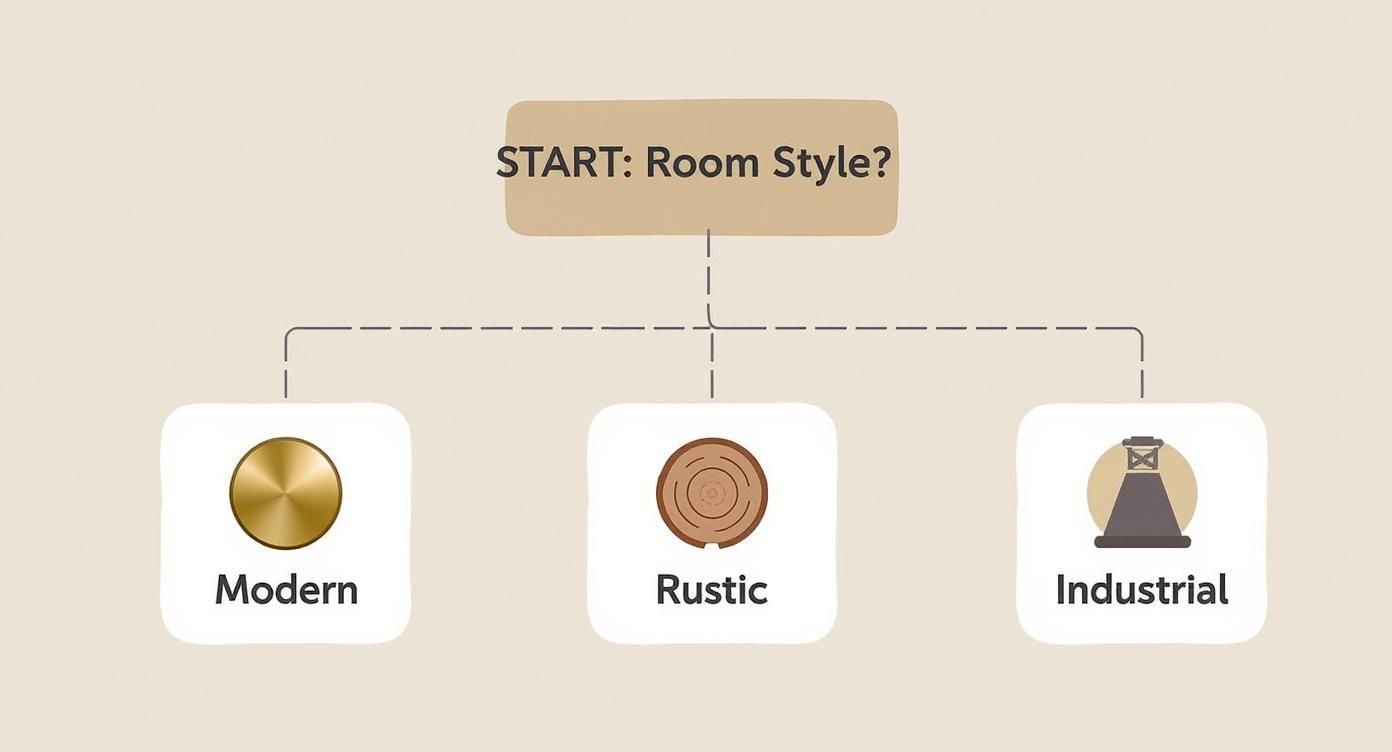
As you can see, pairing a warm brass with modern decor or a rich bronze with industrial elements creates a look that feels intentional and totally put-together.
The Power Behind the Blades: AC vs. DC Motors
The motor is the heart of your fan, and today's technology gives you two main options: AC (Alternating Current) and DC (Direct Current). AC motors have been the standard for decades, but you’ll find that premium vintage style fans—especially those priced above $300—are increasingly built with DC motors.
A DC motor is the hallmark of a high-end fan. It uses up to 70% less energy than its AC counterpart, runs almost silently, and often offers more speed settings for precise comfort control. This is where modern efficiency truly elevates vintage design.
Understanding Blade Pitch and Air Movement
Blade pitch might sound technical, but it’s simple: it’s just the angle of the blades. A steeper pitch, typically between 12-15 degrees, allows the blades to "scoop" and move more air.
This directly impacts the fan's airflow, which is measured in CFM (Cubic Feet per Minute). A higher CFM rating means a more powerful, effective fan. It’s a number worth paying attention to.
Lighting the Way with Vintage Style
Finally, you'll need to decide if your fan needs a built-in light. Vintage style ceiling fans have some stunning options that really add to the aesthetic, from elegant candelabra fixtures to charming schoolhouse globes.
If the fan will be the main light source in the room, make sure the fixture is bright enough. But if you already have other lighting, the fan's light can act as a beautiful ambient accent, completing that timeless look.
Styling Your Home With a Vintage Fan
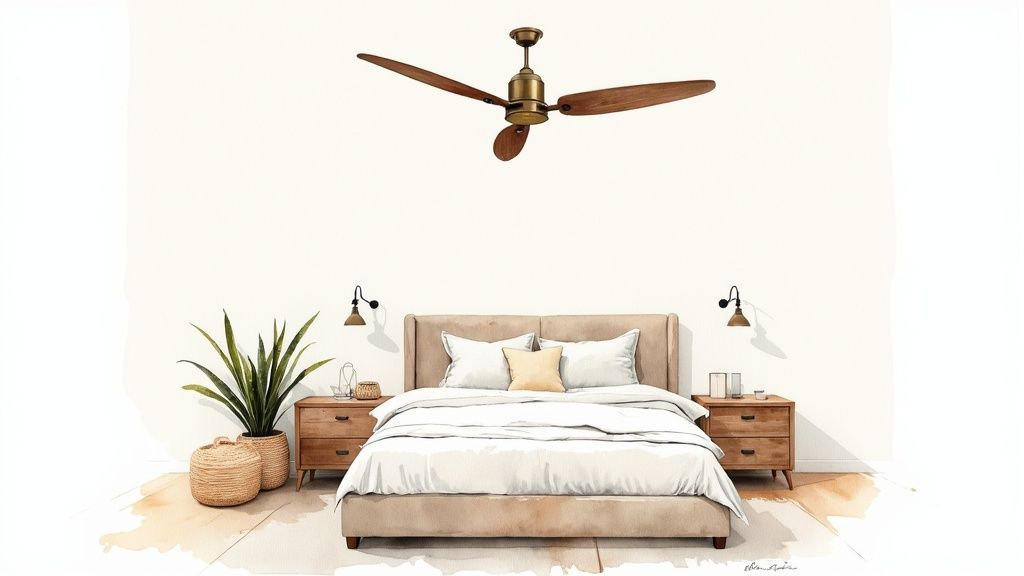
A vintage-style ceiling fan is so much more than just a way to move air. It’s a powerful design piece, the kind of fixture that can anchor an entire room’s look and feel. When you choose one thoughtfully, it becomes the glue that ties everything together, transforming your space from simply decorated to intentionally designed.
The trick is to stop thinking of your fan as an afterthought you need to hide. Instead, make it a central part of the decor puzzle. A grand, ornate fan with rich wood blades can become a showstopper in a living room with soaring ceilings, while a more rugged, industrial model adds a ton of character to a modern kitchen. When you match the fan to your home’s personality, you elevate it from a utility to a true centerpiece.
Matching Your Fan to Popular Decor Styles
The real secret to integrating a vintage fan is creating harmony with your existing decor. It doesn't matter if your home is rustic, modern, or somewhere in between—there's a perfect fan out there to complete the picture.
-
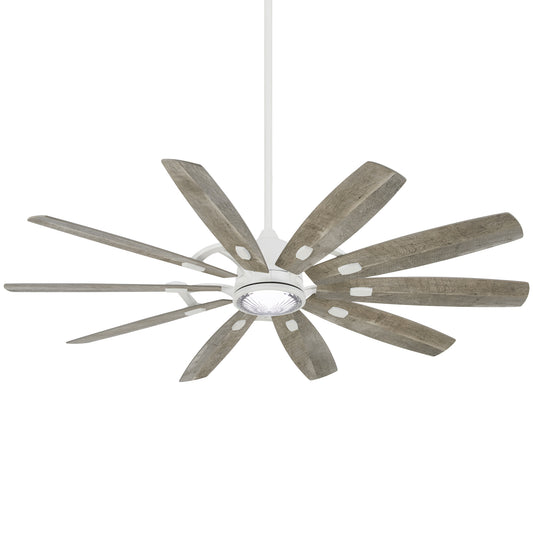
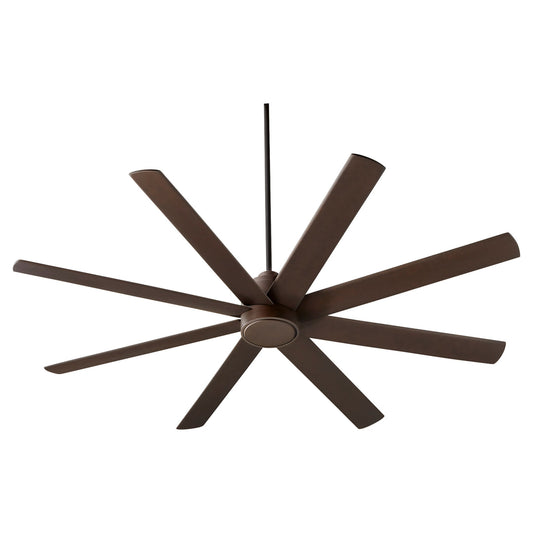
Industrial Loft: For a look that’s raw, edgy, and full of character, choose a fan with a cage design and exposed bolts. Materials like aged bronze or galvanized steel are perfect. The Quorum Windmill Ceiling Fan, which often sells for $1,199.00, is an absolute masterpiece of industrial design, making a bold statement in any high-ceilinged space.
-
Mid-Century Modern: Known for its organic shapes and minimalist forms, this style begs for a fan with sleek, clean lines. Look for models with slim, angled blades in warm woods like walnut, paired with a brushed brass or matte white housing. The Artemis IV, priced at $669.99, absolutely nails this retro-futuristic vibe.
-
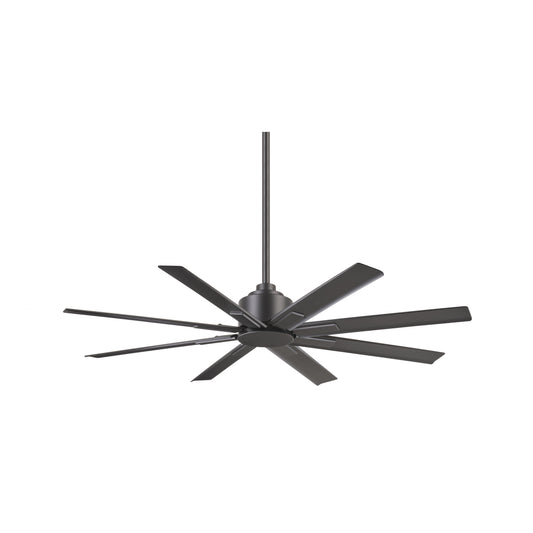
Modern Farmhouse: This look is all about blending rustic comfort with clean, modern lines. You'll want a fan with distressed wood blades and a simple motor housing, probably in a matte black or aged bronze finish. The Hunter Millwright, with its handsome rivet details and powerful motor, starts at $499.99 and is a perfect fit for a cozy yet sophisticated farmhouse aesthetic.
The secret to great styling is making a deliberate choice. A well-placed vintage style fan doesn't just match the decor—it amplifies it, adding a layer of authenticity and historical depth to the room's story.
Creating a Stunning Focal Point
Once you’ve found a fan that fits your style, you can use it to draw the eye upward and make the entire room feel more balanced. A fan naturally creates a central point on the ceiling, so use that to your advantage. Try arranging your furniture to loosely mirror the circular space beneath it, which creates a really cohesive and inviting layout.
This works especially well in open-concept spaces where you need to define different "zones." A striking vintage fan can visually anchor the living area, separating it from the dining room or kitchen without putting up a single wall. Suddenly, your fan is an active participant in your home’s design—creating atmosphere, boosting comfort, and showing off your unique style. It’s an investment that truly makes a statement.
Installation and Care for Lasting Performance
Choosing a beautiful vintage style ceiling fan is the fun part. Making sure it runs perfectly for years to come? That's where proper installation and a little bit of care come in. Taking these steps protects your investment and guarantees the safe, quiet, and efficient operation you expect.
The process actually starts before you even open the box. The first thing to check is that the electrical junction box in your ceiling is fan-rated. This is a non-negotiable safety step. Standard light fixture boxes simply aren't built to handle the weight and constant motion of a fan. A fan-rated box is securely braced to the ceiling joists, giving it the muscle needed to hold everything in place safely.
The Installation Process
We always recommend calling in a professional for premium models—especially those over $300 with heavier motors and more complex wiring. Still, it helps to know the basic steps so you understand what's involved. A typical installation means mounting the bracket, assembling the fan itself, wiring it all up, and finally attaching the blades.
For the confident DIYer ready to tackle the project, a good guide is your best friend. Our detailed walkthrough on how to install a ceiling fan gives you a clear, step-by-step process. Following these instructions carefully is the best way to avoid common headaches like wobbling or humming noises later on.
A well-installed fan should be perfectly balanced and whisper-quiet. If you notice any wobbling or strange noises, it's usually a sign of a loose screw or an unbalanced blade. Don't worry—this is often an easy fix with the balancing kit that comes with most high-quality fans.
A Simple Maintenance Checklist
Once your fan is up and spinning, a little upkeep will keep it looking and running its best. This isn't a huge chore, either. Just a few simple tasks every six months can make all the difference.
- Clean with Care: Gently dust the blades with a microfiber cloth. For finished wood, you can use a slightly damp cloth, but for metal blades, stick to a dry one to avoid spots. A quick wipe-down of any glass light shades keeps them sparkling.
- Check and Tighten: A fan's constant movement can sometimes loosen screws over time. Give them a quick check. Carefully tighten the screws that hold the blades to their brackets, and the brackets to the motor housing.
- Inspect the Canopy: Make sure the screws holding the canopy cover flush against the ceiling are still nice and snug.
This quick routine ensures your fan remains a stunning, functional centerpiece in your room, circulating air efficiently while holding onto its classic charm for decades.
Your Questions Answered: What to Know About Vintage Style Ceiling Fans
Making a big purchase like a high-quality vintage style ceiling fan always comes with a few questions. It’s a lot like choosing a classic piece of furniture—you want to know it not only looks fantastic but also works perfectly for your home and lifestyle.
We get it. From modern efficiency to tricky installation spots, getting the right answers helps you feel confident in your choice. We’ve pulled together some of the most common questions our customers ask to help guide you through those final details.
Are Vintage Style Ceiling Fans Energy Efficient?
This is a big one, and the answer is absolutely yes! While they have that classic, old-school charm, the best vintage style fans are hiding some serious modern tech inside. The secret is all in the motor.
Many of our premium fans, especially those in the $300 and up range, come with a DC (Direct Current) motor. These things are incredible. They can use up to 70% less energy than the clunky old AC motors you might be used to. So you get that timeless look without the wince-inducing energy bill.
If you want total peace of mind, keep an eye out for models with an ENERGY STAR rating. This is a guarantee from the EPA that the fan meets super strict efficiency guidelines. It's the best of both worlds—gorgeous design and wallet-friendly operation.
On top of that, many models now feature integrated LED lighting. LEDs sip a tiny fraction of the power that old incandescent bulbs used to guzzle, cutting down your home's energy use even more. It’s this mix of classic style and smart technology that makes a vintage fan such a great choice.
Can I Install a Vintage Fan on a Sloped Ceiling?
You sure can. In fact, high or vaulted ceilings are often the perfect stage to show off a dramatic vintage fan. Manufacturers know this, and they’ve made it pretty simple to get it right. But you can't just slap a standard fan on an angle—you'll need a specific piece of hardware.
Most quality fans are built to work with sloped ceilings, but you’ll need to grab a sloped ceiling adapter or an angled mounting kit. This little piece fits between the ceiling’s outlet box and the fan’s downrod, making sure the fan hangs perfectly straight and level.
Why does that matter so much? A level fan is a happy, stable fan. Hanging it correctly stops any annoying wobbling, takes the strain off the motor, and keeps it running safely and quietly for years. Before you buy, just double-check the fan's specs to see the maximum slope (in degrees) it can handle. Some are designed for steeper pitches than others, so it’s a small detail that makes a big difference.
Should I Get a Fan With or Without a Light Kit?
This one really boils down to what your room needs and the look you’re going for. There’s no right or wrong answer, just different goals. Here’s a simple way to think it through:
- For the Main Light Source: If the fan is going to be the only light in the room, like in a bedroom or a home office, then a model with a powerful, integrated light kit is a must. Look for something with multiple bulbs or a bright, diffused globe that casts plenty of light.
- For a Touch of Ambiance: If your room is already well-lit with lamps or recessed lighting, a fan without a light can create a really clean, streamlined vintage look. This puts all the focus on the beautiful craftsmanship of the motor and blades.
- For Extra Character: Sometimes, the light kit is all about the aesthetic. An elegant candelabra fixture or a charming schoolhouse globe can add another layer of historical style. It provides a soft, warm glow that makes the whole room feel cozier.
What’s the Best Way to Clean the Fan Blades?
Keeping your fan looking brand new is easy, but how you do it depends on what the blades are made of. A quick dusting every so often is your best defense against buildup. For a real cleaning, always kill the power to the fan at the circuit breaker first. Safety first!
- For Wood or Plastic Blades: All you need is a microfiber cloth that’s just slightly damp. A gentle, all-purpose cleaner is perfect. Just steer clear of harsh chemicals that could mess up the finish.
- For Metal Blades: A dry cloth is usually enough to get the job done. If you have some stubborn grime, a cloth with a tiny bit of mild soap and water works great—just be sure to dry the blades right after to avoid water spots or tarnish.
A little bit of gentle, consistent cleaning will keep your vintage fan looking pristine, ensuring it stays a functional and beautiful centerpiece in your home.
At Fan Connection, we believe finding the right fan should be exciting, not overwhelming. Our collections are carefully curated to help you find a vintage style ceiling fan that does more than just move air—it completely elevates your space.
Explore our complete collection of designer fans at Fan Connection and find the perfect centerpiece for your home today.


