











Brushless DC Ceiling Fan: The Ultimate 2026 Buyer's Guide
Old ceiling fans trained a lot of homeowners to expect two things: a steady hum overhead and a little guilt every time the electric bill arrives. A brushless dc ceiling fan changes that equation in a big way. These fans can use up to 65% less electricity than traditional induction motor fans, with many standard 1200 mm models running at 28 to 32 watts instead of 70 to 75 watts according to BLDC fan market data.
That’s not a tiny efficiency tweak. That’s the difference between an appliance that merely moves air and one that does it with far less waste, less noise, and a much more refined feel in everyday life.
Welcome to the Future of Home Comfort
A lot of people first shop for a ceiling fan because a room feels stuffy. Then they discover the fan they already have creates a second problem. It rattles, it buzzes, and it feels oddly outdated next to the rest of the room.
A brushless dc ceiling fan solves those comfort issues at the motor level. Instead of relying on older induction motor behavior, it uses an electronically controlled motor that wastes far less energy. That’s why the power draw is so much lower, and it’s why these fans feel smoother when they start, run, and change speeds.
Imagine it as replacing an older gas appliance with a modern high-efficiency version. Both do the same job. One just does it with less drama.
Homeowners usually notice three changes right away:
- Lower operating cost: You’re using much less power every hour the fan runs.
- Less background noise: Bedrooms, offices, and media rooms feel calmer.
- Better overall experience: Remote controls, more precise speed settings, and cleaner design are common with this category.
A good fan shouldn’t become part of the noise of your home. It should disappear into the comfort of the room.
There’s also a design angle people don’t always expect. Because this motor technology pairs so well with premium engineering, many of the most polished modern fans now use it. That matters if you want a fan that cools well without looking clunky.
If you’ve been comparing premium fans priced at $300 and up, this is often the technology behind the models that feel worth the upgrade. Not because the label says “advanced,” but because the daily experience is different. Better sleep. Better airflow control. Less annoyance.
The Magic Inside Your Fan How BLDC Motors Work
The easiest way to understand a brushless dc ceiling fan is to stop thinking about it as “just a fan” and start thinking about it as a small, efficient machine that’s been modernized.
Older fan motors behave a bit like an old bike with stiff gears. They can get the job done, but they’re not graceful. A BLDC motor feels more like a modern bike with smooth shifting and less wasted effort. The motor’s electronic control tells it exactly how to run, instead of letting energy disappear through friction and heat.

What brushless actually means
In simple terms, brushless means the motor doesn’t rely on physical brushes making contact inside the motor the way older designs do. Less physical contact means less friction. Less friction means less heat, less wear, and less noise.
That’s the reason these fans often feel so smooth in real life. They don’t have that slightly rough, mechanical personality many older fans have.
If you want a basic primer on how this motor type compares with more familiar fan tech, this dc ceiling fan guide gives useful background reading.
Why the motor sounds so much quieter
The big comfort benefit is sound. The brushless design, along with 14 to 18 pole neodymium magnet rotors, helps BLDC fans run at below 35 dB, which is up to 70% quieter than AC fans that often operate at 45 to 55 dB on high speeds, based on this technical specification document for BLDC fan performance.
That’s a technical statement, but the home benefit is very human:
- In a bedroom, quieter operation means better sleep.
- In a home office, it means fewer distractions during calls.
- In a nursery or reading room, it keeps the room feeling settled instead of mechanical.
Why the airflow feels steadier
A lot of buyers assume fan comfort is only about speed. It isn’t. Smooth control matters just as much. Because the motor is electronically managed, a brushless dc ceiling fan can hold its speed more consistently instead of surging or feeling uneven.
That gives the room a more stable “air blanket” rather than random gusts. You may not describe it that way out loud, but you’ll notice it.
Practical rule: If a fan feels calmer while moving plenty of air, that’s usually a sign the motor is doing less fighting and more precise work.
This is why the best premium models don’t just look refined. They operate refined.
BLDC vs AC Fans The Ultimate Showdown
If you’re deciding between a brushless dc ceiling fan and a traditional AC fan, the fastest way to cut through the marketing is to compare what affects daily life.

Energy use
This is the clearest win for BLDC. According to BLDC ceiling fan performance figures, these fans achieve 65% to 70% energy savings, drawing 28 to 32 watts at full speed compared with 75 to 100 watts for an AC fan. The same source says the payback period can be as short as 6 to 12 months with 8 to 10 hours of daily use.
That’s why shoppers who plan to run fans often, especially in warm climates, tend to see the upgrade as more than a style decision.
For more context on lower-power fan choices across the category, this piece on energy-efficient ceiling fans is a helpful companion read.
Noise and feel
Traditional AC fans can cool a room well, but they often announce themselves while doing it. You hear motor hum. You hear a little vibration. Sometimes you even hear slight changes in tone as they run.
BLDC fans feel more polished. The motor behavior is smoother, and the room feels less interrupted by the appliance overhead. For many households, that’s the quality jump that justifies spending more than entry-level pricing.
Controls and convenience
This category isn’t just about the motor. It’s also about how the fan behaves in real use.
Here’s the common difference:
| Feature | Traditional AC fan | Brushless dc ceiling fan |
|---|---|---|
| Speed control | Usually basic wall or pull-chain control | Usually finer, more precise speed steps |
| Start and stop | Can feel abrupt | Often smoother and softer |
| Remote operation | Varies by model | Common on premium models |
| Smart features | Less common | Common in newer premium designs |
An older AC fan is like an older lamp switch. It’s on, off, or somewhere in between. A BLDC fan feels closer to dimmable lighting. You get more control, and the room gets more precise comfort.
Lifespan and long-term ownership
Motor design affects more than the utility bill. It affects how the fan ages.
Because brushless motors create less friction and heat, they generally demand less from their own components over time. That matters in a home where a fan runs for long stretches every day. You’re not only buying airflow. You’re buying years of calmer, cleaner operation.
If your fan runs in a bedroom or main living area every day, the better comparison isn’t “Can an AC fan work?” It’s “What will I be happiest living with for years?”
Which one makes sense for a premium purchase
If you’re shopping in the $300-plus range, the question usually isn’t whether either motor type can move air. The actual question is which one delivers the better ownership experience.
BLDC usually wins for four reasons:
- Lower energy draw
- Quieter operation
- More refined controls
- Better long-term durability
That’s why so many premium contemporary fans, designer-friendly fans, and smart-control models are built around this technology now.
The Real-World Payoff Quantifying Your Savings
Percentages are useful, but your wallet works in dollars. If you’re trying to decide whether a premium brushless dc ceiling fan is worth the higher upfront price, a simple savings formula makes the decision much clearer.
A simple way to estimate fan savings
Use this approach:
- Find the wattage difference between your old fan and the BLDC fan you’re considering.
- Estimate daily run time based on how you use the room.
- Convert watts to kilowatts and multiply by hours used over the year.
- Multiply by your electricity rate.
You don’t need advanced math. You just need honest usage habits.
For example, if you’re replacing a higher-draw fan with a low-draw premium BLDC model, the long-term gap adds up because the fan may run for hours every day through much of the year. That’s especially true in bedrooms, open living rooms, covered patios, and rentals where fans are used heavily.
What this means for premium fan pricing
Many people encounter a common dilemma. They see a stylish model like an Aviation, Bowie, or Artemis IV priced above $300, and they wonder if that’s mostly about looks.
It usually isn’t. In the premium segment, price often reflects a package of benefits working together:
- Motor efficiency
- Quieter operation
- Better controls
- More durable construction
- Stronger design presence in the room
That combination changes the purchase from “decor expense” to “comfort investment.”
Don’t separate the fan from the rest of the home
A fan works best when the whole house supports efficient cooling. Good insulation, reduced attic heat, and better airflow all help your ceiling fans do their job with less strain. If you’re thinking in whole-home terms, these energy efficient fan solutions offer useful ideas for reducing heat buildup and improving overall efficiency.
You can also look at the bigger picture through this article on energy efficiency and cost savings with ceiling fans, which helps connect fan choice to broader home operating costs.
A premium fan pays you back in more than one way. Part of the return shows up on the bill. The rest shows up every night when the room feels better and sounds quieter.
When the upgrade makes the most sense
The value case gets stronger when:
- You run fans daily: Primary bedrooms and family rooms see the clearest benefit.
- You’re replacing multiple fans: Small savings per fan become more noticeable across the house.
- You care about quiet: Noise reduction has value even when it doesn’t appear on a bill.
- You’re already remodeling: It’s cheaper emotionally and practically to choose the better motor once than to regret a lower-tier fan later.
A cheap fan can still cost less at checkout. That doesn’t always mean it costs less to own.
Choosing Your Perfect BLDC Fan Size and Style
A great brushless dc ceiling fan has to do two jobs at once. It needs to fit the room physically, and it needs to fit the room visually. Get one wrong and the fan will either underperform or look out of place.

Start with room size, not style
A common mistake is choosing a fan the way people choose wall art. They pick what looks good first. With fans, performance has to come first.
A too-small fan can leave a large room feeling stale. A too-large fan can dominate a compact room and feel visually heavy. If you want help matching fan diameter to your space, this ceiling fan size for room guide is a smart place to start.
Here’s a practical way to think about style categories after size is settled:
- 3-blade fans: Often suit modern, minimal spaces where clean lines matter.
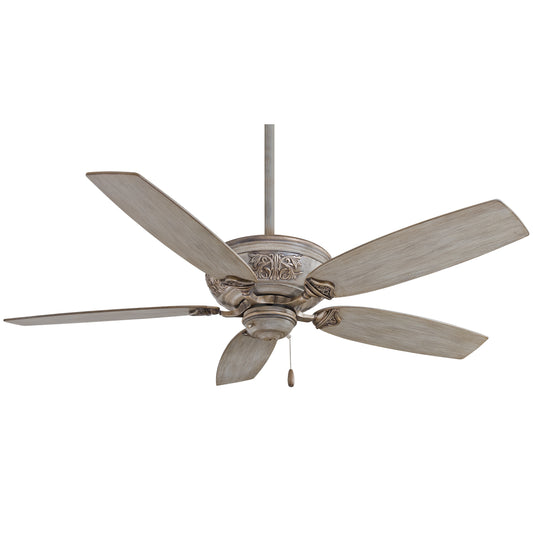
- 5-blade fans: A versatile fit for many living rooms, bedrooms, and mixed-style homes.
- Tropical fans: Better for statement spaces, sunrooms, patios, or interiors with a resort look.
Matching design to the room’s personality
The motor may be high-tech, but buyers usually live with the fan as furniture. That’s why finish, blade shape, and silhouette matter so much.
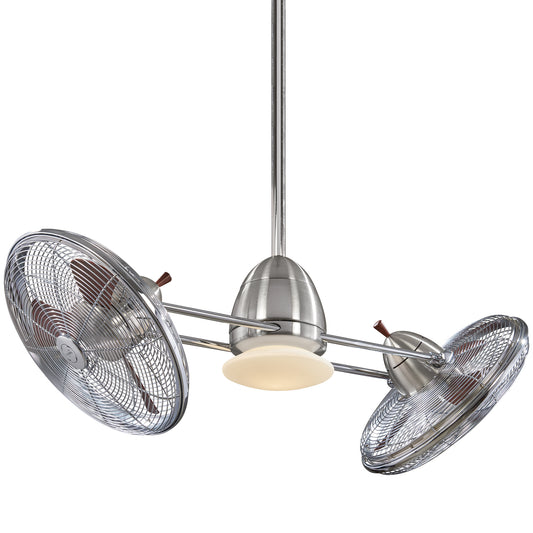
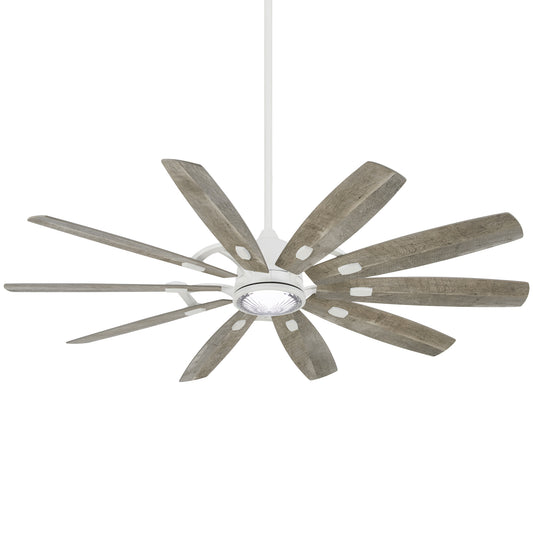
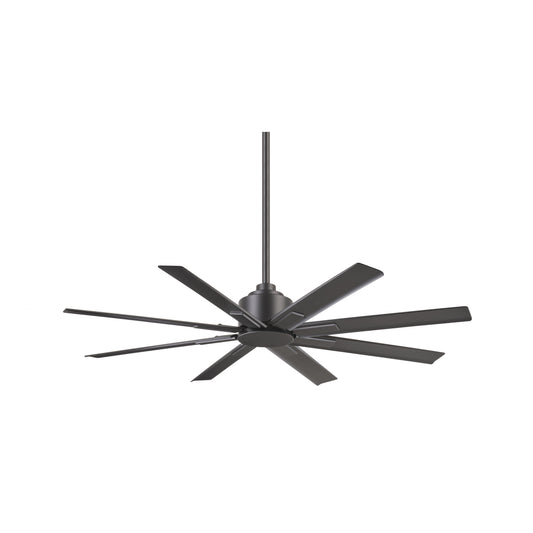
A sleek model like Andros can fit a modern interior that uses low visual clutter and simple geometry. A fan like Artemis IV or Artemis XL5 works when you want the fan to read as a design feature, not just a utility item. Cabana and similar tropical-inspired styles work best where you want the airflow to feel relaxed and decorative at the same time.
The key is to decide what role the fan should play:
| Room goal | Better fan direction |
|---|---|
| Disappear into the design | Clean modern blades and simple finishes |
| Add sculptural interest | Distinctive premium blade shape |
| Warm up the space | Wood-toned or tropical styling |
| Handle a larger gathering area | Larger premium fan with strong presence |
Don’t ignore ceiling shape
Flat ceilings are easy. Vaulted and angled ceilings require more planning.
A key issue for many buyers is sloped-ceiling compatibility. Many quality BLDC fans can be installed on sloped ceilings up to 30 degrees with the right downrod and adapter, according to angled-mount DC ceiling fan guidance.
That matters more than people realize. On a vaulted ceiling, the wrong mounting setup can affect both safety and airflow.
Buying shortcut: If your ceiling isn’t flat, confirm angled-mount compatibility before you fall in love with the finish.
Premium picks over $300 that deserve attention
If you’re shopping in the higher-end bracket, several model types make sense depending on the room:
- Aviation: Strong choice for industrial-modern or statement interiors.
- Bowie: Good fit for homeowners who want a fan that feels architectural.
- Artemis IV: Ideal when sculptural blade design matters as much as airflow.
- Artemis XL5: A smart match for larger rooms where scale is part of the design brief.
- Andros: A clean premium option for modern homes.
The right fan size protects comfort. The right style protects the room’s personality. Premium BLDC models do both when chosen carefully.
Smart Controls and Future-Proofing Your Home
A modern brushless dc ceiling fan doesn’t stop at efficient airflow. In many homes, it now acts like a smart device. That changes how you use it every day.

A traditional fan often asks you to walk over to a wall switch or pull chain and settle for a few basic settings. A premium BLDC fan can feel much more like lighting scenes or thermostat scheduling. You tap a remote, use an app, or add the fan to a home routine so comfort happens automatically.
That shift matters because comfort isn’t just about hardware. It’s about convenience.
What smart control changes in daily life
The easiest way to understand the value is to think about small moments:
- You’re already in bed and want less airflow.
- Guests are over and the room feels warm.
- A tall vaulted room needs fan changes without anyone climbing onto furniture.
- You want the fan to run differently in the afternoon than it does overnight.
That’s where app control, remote control, and automation begin to feel less like luxury and more like good design. If you’re comparing these features, this guide to fan smart control options is useful.
Why the market is moving this way
The category is growing because buyers want more than a spinning blade overhead. The global BLDC ceiling fan market is projected to reach $4.21 billion by 2033, and North America is projected to post a 12.8% CAGR, driven heavily by demand for smart home integration and IoT connectivity, according to market projections for BLDC ceiling fans.
That forecast matches what shoppers are asking for now. They want the fan to fit a connected home, not stand apart from it.
This short video gives a helpful feel for how modern control features fit into real-world use:
Features worth caring about
Not every extra feature matters equally. Some improve comfort more than others.
- Remote access: The simplest upgrade, and often the one people use most.
- Multiple speed settings: Finer control helps the room feel tuned rather than overcooled.
- Reverse mode: Useful for changing how air moves seasonally.
- Scheduling: Helpful for bedrooms, vacation homes, and routine-based households.
- Smart home compatibility: Best for buyers already using connected lighting, thermostats, or voice control.
The best smart feature is the one you’ll actually use every day. For most people, that starts with easier speed control and simple scheduling.
Premium models such as Aerovon, Alto, and Apex often appeal to buyers who want that blend of design and connected convenience. In a well-planned room, the fan stops feeling like an old mechanical necessity and starts feeling like part of the home’s comfort system.
Installation Maintenance and Long-Term Value
A premium fan should be easier to live with over time, not fussier. That’s one of the strongest reasons people choose a brushless dc ceiling fan.
What to expect after installation
Installation still needs the basics done right. Mounting method, ceiling type, blade clearance, and downrod choice all matter. On standard ceilings, the process is straightforward for a qualified installer. On angled ceilings, getting the correct adapter and rod length matters more.
If you’d rather keep the fan and the rest of your home systems on a regular care schedule, these professional maintenance services can be a useful reference point for broader home upkeep planning.
Why BLDC fans tend to last longer
The long-term durability case is strong. According to engineering benchmarks on next-generation ceiling fan motors, AC fan motors typically last 5 to 10 years, while BLDC motors last 10 to 15 years or 50,000+ hours because they generate less friction and heat.
That’s one of the most practical arguments for paying more upfront. You’re buying a fan that’s designed to age more gracefully.
Maintenance is usually simple
A lot of homeowners worry that advanced motor technology means complicated upkeep. In practice, maintenance is usually less dramatic than people expect.
Most of the time, ownership looks like this:
- Dust the blades regularly: Dirty blades can affect balance and airflow feel.
- Check mounting hardware occasionally: This helps keep operation smooth and secure.
- Use controls properly: Store remotes well and replace batteries when needed.
- Follow model-specific guidance: Smart models may have their own setup details.
There’s no romance in fan maintenance, and that’s the point. A good premium BLDC fan is often close to a fit-and-forget appliance after proper installation.
Buy the fan like you’re buying for the next decade, not just for this season.
For busy homeowners, contractors, and property managers, that kind of long-term calm has real value.
Your Next Step to a Cooler Quieter Home
A brushless dc ceiling fan earns its place in a home by improving the parts of daily life people notice. Rooms feel calmer. Sleep gets less interrupted by fan noise. Controls feel easier. The fan uses less power while delivering a more refined experience.
That’s why the upgrade makes sense for more than just energy-conscious shoppers. It also makes sense for anyone who wants a premium room to feel complete. The fan is one of the few fixtures you see, hear, and use almost every day. Choosing better motor technology pays off repeatedly.
If you’re comparing options above $300, premium pricing starts to make practical sense. You’re not only paying for a nicer finish or a more sculptural blade. You’re paying for quieter operation, stronger long-term value, and a fan that feels current instead of dated.
The best choice is usually the one that fits your room, your ceiling type, your style, and how often you rely on airflow. Once those pieces line up, the motor technology matters a lot. And brushless DC is the option that tends to make the most sense for comfort, convenience, and ownership over time.
If you’re ready to upgrade, explore Fan Connection for premium ceiling fans priced at $300 and up, including design-forward collections like 3 Blade, 5 Blade, 6+ Blades, and Tropical styles, plus standout models such as Aviation, Bowie, Andros, Artemis IV, Artemis XL5, Aerovon, Alto, Apex, and Cabana.


