











Choosing Ceiling Fans Suitable for Outdoor Patios Sold Online in 2026
When it comes to picking the right ceiling fans suitable for outdoor patios sold online, it really comes down to a handful of key details—mostly the fan’s weather rating and the materials it's made from. If you invest in a model built specifically for the outdoors, you’re buying peace of mind. It’s a promise of longevity, safety, and solid performance that will turn your patio into a true oasis.
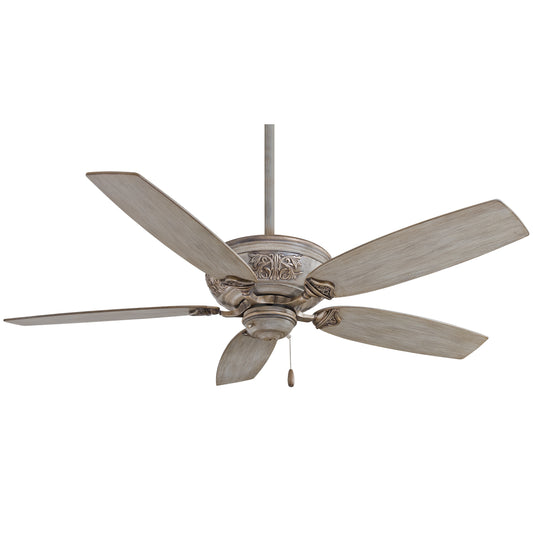
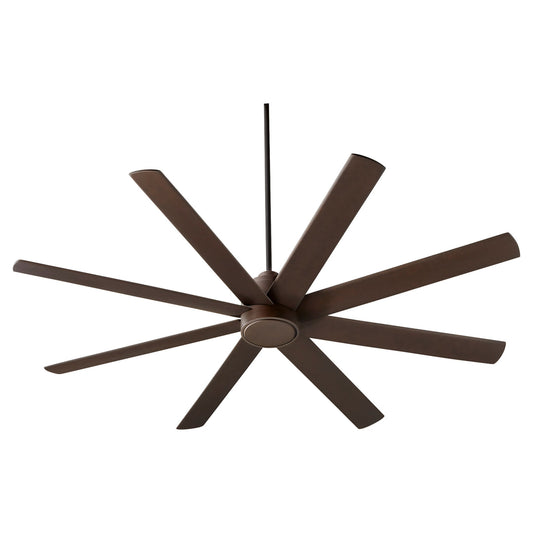
Top-tier options, like the sleek Artemis IV, are engineered to handle whatever the weather throws at them while adding a serious dose of style.
Your Guide to Buying the Perfect Outdoor Fan Online

Crafting an inviting outdoor space has moved beyond a simple trend; it’s now a fundamental part of modern home life. A great outdoor ceiling fan sits at the heart of that space, stirring up a gentle breeze on hot days and casting a warm glow for evening get-togethers. But trying to choose the right one from an online store can feel a bit overwhelming. You're not just picking a pretty fixture—you're making a real investment in durability and function.
This guide is here to cut through the noise. We'll break down the crucial differences between damp-rated and wet-rated models, show you which materials will stand up to rust and warping, and help you size the fan perfectly to your patio for the best possible airflow. Our goal is simple: to give you the confidence to find a fan that not only looks incredible but works like a dream for years.
Making a Smart Investment
The desire for high-performance outdoor comfort is on the rise, and it’s not hard to see why. The global outdoor LED ceiling fan market is on track to hit $2 billion in value by 2025, a pretty clear signal that homeowners are looking for stylish, energy-efficient ways to upgrade their outdoor living areas. This boom just underscores how important it is to choose a quality product that delivers on both looks and performance.
When you're browsing online, try to focus on models priced at $300 or more. This price point is usually where you start seeing superior construction, better motors, and warranties that give you real peace of mind. A well-built fan is an upgrade to your home's value and, more importantly, your daily comfort. And if you're looking to go all-in, there are plenty of diverse outdoor cooling solutions to explore beyond just ceiling fans.
Choosing an outdoor fan isn't just about surviving the summer; it's about curating a year-round outdoor sanctuary. The right model balances powerful performance with quiet operation, creating a peaceful and refreshing atmosphere.
To make things even easier, we’ve put together a curated list of our favorite models. Take a look at our collection of the best outdoor ceiling fans to see our top recommendations.
Understanding Wet-Rated vs. Damp-Rated Fans

When you start looking for ceiling fans suitable for outdoor patios sold online, you’ll immediately see two terms pop up: damp-rated and wet-rated. This isn't just industry lingo; it's the most critical factor for choosing a fan that will last. Getting this wrong is a surefire way to end up with warped blades, a rusty motor, or even a serious electrical hazard.
Let's think of it like picking the right outerwear for a storm. A damp-rated fan is your trusty water-resistant jacket. It’s built for covered spaces—think screened-in porches, sunrooms, or patios with a solid roof. These fans can handle high humidity and ambient moisture, but they aren't meant to get directly rained on.
A wet-rated fan, on the other hand, is a full-blown rain suit. It's engineered from top to bottom to withstand direct exposure to the elements. This is the only safe and reliable choice for open-air spaces like pergolas, gazebos, or uncovered decks where rain and snow can hit the fan head-on.
What Makes a Damp-Rated Fan Special
So, what gives a damp-rated fan its moisture-fighting chops? It really comes down to a few key upgrades over a standard indoor fan.
First, the blades are typically made from materials like ABS composite or specially treated wood that won't warp or sag in humid air. All the hardware, from the smallest screws to the mounting brackets, is usually stainless steel to prevent rust from forming and leaving ugly streaks down the fan's housing.
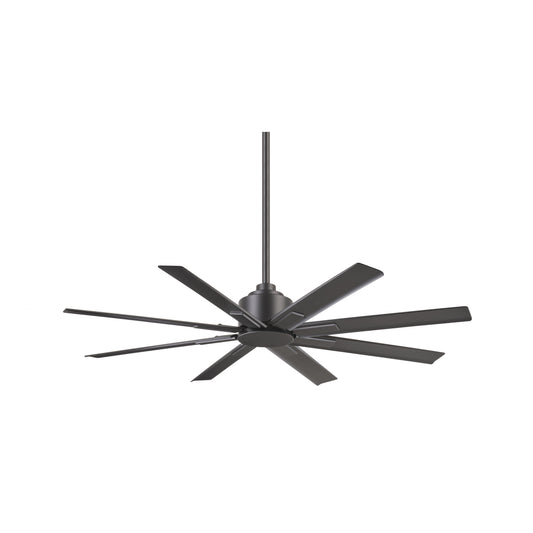
A perfect example is the modern Bola ceiling fan. Its sleek design is right at home on a protected lanai or in a three-season room. It’s built to thrive in that breezy, moist environment—as long as it never gets drenched by a downpour.
The Engineering Behind Wet-Rated Fans
Wet-rated fans take durability to a whole different level. These are the heavy-duty workhorses of the outdoor fan world, designed with a no-compromise approach to weatherproofing.
The most important feature is a completely sealed, waterproof motor casing. This housing protects the internal electrical components from any water getting in, which is absolutely essential for safety and longevity. All the wiring is also fully insulated and shielded from moisture.
These fans also use all-weather blades made from materials that water simply can't harm, like marine-grade plastics or powder-coated aluminum. This means that even after a torrential thunderstorm, the blades stay perfectly balanced and effective.
When you're shopping online, look for the UL (Underwriters Laboratories) rating. A fan with a "Wet Location" rating has passed rigorous tests to prove it can handle direct water exposure without malfunctioning or becoming an electrical risk. It’s your guarantee of safety and performance.
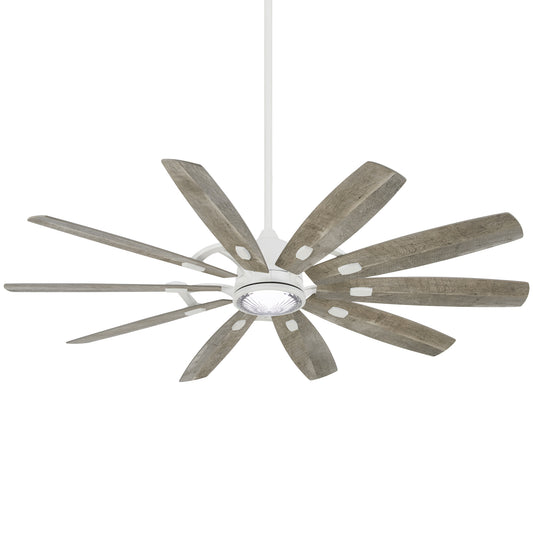
The rugged and stylish Barn fan is a great showcase of wet-rated engineering. It's an ideal fit for an open pergola or an exposed outdoor kitchen, where it can handle anything from summer showers to coastal salt spray. Models like this are a true investment, often priced at $400 or more, but they deliver total peace of mind.
For a real-world take, you can read about selecting a ceiling fan in Stuart, Florida, where constant humidity and rain are a fact of life. This focus on sealed components and robust materials is exactly why wet-rated fans are the only smart choice for fully exposed outdoor living areas.
Ever wonder why you can’t just grab that cool-looking fan from your living room and stick it on the patio? The answer is simple: materials. An indoor fan is designed for a cozy, climate-controlled world. The moment its standard MDF or particleboard blades meet real humidity, you’ve got a recipe for a droopy, warped disaster.
The real magic behind a great outdoor fan is its ability to fight back against moisture, sun, and wild temperature swings. When you're looking for ceiling fans suitable for outdoor patios sold online, the stuff they're made of is just as critical as the motor inside. These materials are the fan's armor, its frontline defense against rust, sagging, and fading that keeps your investment looking and performing its best for years.
The Best Materials for Outdoor Performance
When you dive into the world of outdoor fan construction, a few champion materials keep showing up for a reason. These aren't just for looks; they're engineered to handle specific outdoor challenges. The best outdoor fans mix and match these elements to make sure every single part, from the motor housing down to the blades, can take whatever the weather throws at it.
-
Stainless Steel: Look for marine-grade (316) stainless steel. This is the absolute gold standard for fighting rust and corrosion. It has an ingredient called molybdenum, which makes it incredibly tough against the corrosive salt spray you find in coastal areas. It’s the undisputed champ for beach houses.
-
Powder-Coated Aluminum: Aluminum is a fantastic material—it's lightweight and naturally rust-proof. The powder-coating process adds a thick, tough skin that’s great at resisting chips, scratches, and fading from harsh UV rays. This makes it a solid, all-around choice for most climates, especially those humid inland spots.
-
UV-Resistant Composite (ABS Plastic): Don't let the word "plastic" fool you. This is a special, all-weather composite engineered to stand up to the sun. It won't get brittle or turn yellow over time. Plus, it's completely waterproof and can be molded into sleek, aerodynamic shapes that move a serious amount of air.
This is why you’ll see top-tier outdoor fans priced at $300 or more. You're not just paying for a brand; you're investing in the engineering that promises it will last.
Matching Materials to Your Climate
The perfect fan for a salty California coastline is probably not the best choice for a steamy Florida lanai. The key to long-term happiness with your purchase is matching the fan’s materials to your local climate. This is where a little know-how makes a huge difference.
Think of it this way: a fan near the ocean is in a constant battle with corrosive salt. For that kind of environment, a beast like the Aerovon, with its marine-grade stainless steel hardware and a motor built like a tank, is the perfect soldier. It's designed to just shrug off the salty air that would eat lesser materials for breakfast.
Your climate dictates your material. For coastal areas, prioritize marine-grade stainless steel to combat salt corrosion. For humid inland zones, powder-coated aluminum and ABS blades offer the best defense against moisture and UV damage.
On the other hand, if your patio deals with high humidity but no salt, a fan made mostly of powder-coated aluminum with composite blades is a brilliant choice. That combination gives you fantastic protection from moisture-related warping and rust without the extra cost of marine-grade steel. By picking the right materials for the job, you’re making sure your fan doesn't just survive the elements—it thrives in them.
How to Size Your Fan for the Perfect Breeze
A beautiful outdoor fan that can’t stir up a decent breeze is little more than expensive, spinning art. When you're shopping for ceiling fans suitable for outdoor patios sold online, the secret to that perfect, cooling current is matching the fan's size to your space. It's a bit of an art and a science, and getting it right is the difference between a stuffy patio and a refreshing outdoor haven.
You'll run into two key specs: blade span and CFM (Cubic Feet per Minute). Blade span, measured in inches, tells you how large of an area the fan can effectively cover. CFM, on the other hand, is the real workhorse—it measures how much air the fan actually moves. A high CFM rating means a more powerful, effective breeze, which is exactly what you want on a hot summer day.
Matching Fan Size to Your Patio
Think of it like choosing the right size speaker for a room. A tiny speaker won't fill a concert hall with sound, and an undersized fan won't do much for a spacious patio. You have to match the power to the space. The first step is simple: measure your patio's square footage by multiplying its length and width.
Once you have that number, you can find the ideal blade span.
This guide will help you match your patio's dimensions to the right fan size and airflow power. A well-chosen fan ensures your outdoor space is comfortable and inviting, no matter the weather.
Patio Fan Sizing and Airflow Guide
| Patio Area (Square Feet) | Recommended Blade Span (Inches) | Ideal CFM Range |
|---|---|---|
| Up to 75 sq. ft. | 36 - 44 inches | 1,000 - 3,000 |
| 76 - 144 sq. ft. | 44 - 52 inches | 2,500 - 4,500 |
| 145 - 225 sq. ft. | 52 - 60 inches | 4,000 - 6,000 |
| 226 - 400 sq. ft. | 62 inches and larger | 5,500+ |
This table is a great starting point, but always remember that a higher CFM is your best friend for outdoor comfort. For larger or more open patios, it's often smart to size up or even install two smaller fans to ensure the breeze is felt everywhere.
This focus on creating comfortable outdoor living spaces is a huge trend. In fact, outdoor ceiling fan sales are projected to grow at a 5.5% CAGR from 2024 to 2030, a big slice of the $14.24 billion global ceiling fan market. It's clear that more and more people are turning their patios into true extensions of their homes.
The Importance of Clearance and Mounting
Beyond blade span, how you install the fan is critical for both safety and performance. A fan hung too low is a head-knocking hazard, while one hung too high will lose its cooling power before the breeze ever reaches you.
The sweet spot is hanging your fan so the blades are 7 to 9 feet from the floor. This height ensures you get maximum air circulation right where you'll feel it, without anyone having to duck.
For a standard 8-foot ceiling, a "hugger" or low-profile fan that mounts flush is a perfect fit. But what about a tall, vaulted ceiling over your patio? That's where a downrod comes in. A downrod is just an extension pipe that lowers the fan to the ideal height. As a rule of thumb, add about 6 inches to your downrod for every foot of ceiling height above 9 feet to keep the fan in that optimal 7-to-9-foot zone.
For a deeper dive into sizing, check out our in-depth article on how to choose a ceiling fan size.

Modern Features: Lights, Controls, and Smart Tech
Today’s premium outdoor fans are so much more than just spinning blades. They've evolved into sophisticated centerpieces for modern outdoor living, blending high-tech convenience with genuinely beautiful design. When you start looking for ceiling fans suitable for outdoor patios sold online, you'll quickly find a world of features designed to elevate your patio from a simple space into a seamless extension of your home.
These are the kinds of advanced features that often nudge a fan into the $300+ price range, but believe me, the investment pays off. We're talking about transforming your entire outdoor experience with the push of a button or a simple voice command.
Brilliant Lighting for Perfect Evenings
Forget those clunky, outdated light kits. Modern outdoor fans come with beautifully integrated LED lighting systems that are both incredibly powerful and energy-efficient. These aren't just for lighting up your space; they're designed to create the perfect atmosphere for any occasion.
Here are a few key lighting features to look for:
- Dimmable LEDs: This is a must. You can effortlessly go from bright, functional light for grilling to a soft, warm glow for just relaxing with a glass of wine.
- Color Temperature Control: Some of the higher-end models even let you adjust the light's tone, from a cool, crisp white to a cozy, warm yellow. It’s all about tailoring the mood just right.
- Energy Efficiency: Integrated LEDs use a tiny fraction of the power of old incandescent bulbs and can last for tens of thousands of hours. You’ll probably never have to worry about changing a bulb again.
From Pull Chains to Smart Commands
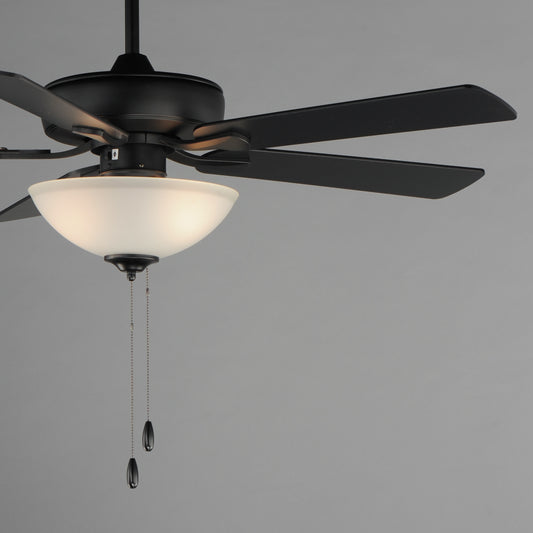
The way we control our fans has gotten a massive upgrade, too. While the classic pull chain still has its place, modern convenience is all about effortless control from anywhere on your patio.
The evolution here has been pretty remarkable. First, we got handheld remote controls, which were great for changing fan speed and lighting from your lounge chair. Now, we’re at the pinnacle of convenience: smart home integration. Premium smart-enabled fans, like the cutting-edge Apex fan, connect right to your home's Wi-Fi.
This connectivity lets you manage your fan through a smartphone app or by using voice commands with systems like Amazon Alexa or Google Assistant. You can set schedules, tweak speeds, and dim the lights without even getting up. For a deeper dive, you can explore our guide on finding ceiling fans with smart home integration.
Investing in a smart outdoor fan is about future-proofing your comfort. It integrates your patio into your connected home ecosystem, making outdoor living as intuitive and responsive as your indoor spaces.
Beyond just cooling, a good outdoor fan can also actively help to keep bugs away from your gathering—another perfect example of how today's fans deliver more than just a breeze. The demand for these kinds of features is growing fast, with North America's energy-saving fan market projected to grow at a remarkable 8.6% CAGR through 2033 as more people look for smarter, more efficient ways to enjoy their outdoor spaces. It's clear that consumers are ditching gas-guzzling AC for patio-perfect circulators they can buy seamlessly online.
How to Confidently Buy Online and Plan for Installation
You’ve done the hard work—weighing the pros and cons of different materials, figuring out the right size, and zeroing in on a style you love. Now comes the exciting part: making it official and bringing that fan home. Buying online and planning the installation is the final bridge between your research and a perfectly breezy patio.
Shopping on our site is designed to be a breeze, not a chore. You can use our filters to find the exact ceiling fans suitable for outdoor patios sold online that fit your criteria. Sort by blade finish to match your patio furniture, narrow it down by fan size for your specific space, or browse special features to find that perfect mix of looks and functionality.
Finding Your Perfect Fan in Our Collections
Whether you're picturing the relaxed, vacation-like vibe of our Tropical Collection or the sleek, understated look of our 3-Blade Series, we’ve grouped our fans into curated collections to make finding your match that much easier. Once you’ve picked a winner, our secure checkout is simple and safe. We’re here to be your trusted partner from the moment you start browsing to the day your fan is up and spinning.
The Critical Role of Professional Installation
Look, the temptation to DIY is real. But installing an outdoor ceiling fan isn't just about hanging a light fixture. You're dealing with electrical wiring in an environment where rain, humidity, and moisture are always a possibility. For your safety and the fan's performance, we can't stress this enough: hire a licensed electrician.
A pro will make sure your patio's wiring is up to code and can actually handle the fan. They'll mount it to a junction box that's properly rated for the weight, which is the key to preventing that annoying wobble or—worst-case scenario—the fan falling. A good installation is what makes a fan quiet, efficient, and, most importantly, safe. For a deeper dive, check out our guide on the best places to buy ceiling fans with installation services.
Questions to Ask Your Electrician
Before any work starts, it’s smart to have a quick chat with your contractor. Think of it as a mini-interview to make sure you're on the same page. Here are a few essential questions to get the conversation started:
- Are you a licensed and insured electrician?
- Have you installed outdoor-rated ceiling fans before? (It’s a different beast than indoor ones!)
- Is my current electrical box strong enough to support the weight and movement of this fan?
- Will you check the existing wiring to make sure it’s safe for outdoor use?
- Does your quote include balancing the fan blades so it runs smoothly without wobbling?
A qualified electrician doesn't just hang your fan; they guarantee it works safely and at its best. This step isn't just an extra cost—it's an investment in protecting your fan, your home, and your family.
Common Questions About Outdoor Patio Fans
Even after covering all the bases, there are always a few practical questions that pop up right when you're about to make a decision. Think of this as your final check-in, where we tackle the most common things people ask about choosing and living with an outdoor ceiling fan. Nailing these last few details will help you buy with total confidence.
Can I Use a Damp-Rated Fan if My Patio Only Gets a Little Rain?
We hear this one all the time, and we strongly advise against it. It’s tempting to think a little rain won’t hurt a damp-rated fan, but "a little" is all it takes to cause a big problem. Wind can easily blow rain sideways under covered patios, and even a small amount of direct water exposure will eventually ruin the motor.
For any space where rain, snow, or even a wayward sprinkler has a chance of hitting the fan, a wet-rated model is the only smart and durable choice. Their motors are completely sealed and the blades are made from all-weather materials, all designed to handle a direct drenching without any risk of damage or electrical failure. Don't risk it.
How Often Should I Clean My Outdoor Fan?
To keep your fan running smoothly and looking great, plan on giving it a quick cleaning at least twice a year. A good routine is once in the spring before you start using it heavily, and again in the fall as the season winds down.
It’s simple—just grab a soft, damp cloth and wipe down the blades and housing to get rid of dust, pollen, and any grime that’s built up. Regular cleaning prevents that gunk from accumulating, which can cause the fan to wobble and put extra strain on the motor. It’s a small step that ensures a longer, quieter life for your fan.
Are High-Quality Outdoor Ceiling Fans Noisy?
Absolutely not. A well-made outdoor fan should be whisper-quiet. The premium models you'll find online, especially those priced over $300, use high-performance DC motors and blades that are precision-balanced to eliminate nearly all operational noise. The only thing you should hear is the gentle whoosh of moving air.
If you ever hear clicking, scraping, or a mechanical hum, it's almost always a sign of a rushed or improper installation. Make sure all the fittings are tight and the fan is mounted securely to a fan-rated electrical box to stop any unwanted sounds in their tracks.
Can My Outdoor Fan Be Used in the Winter?
Yes, a quality outdoor fan is built tough enough to be left up all year round, handling cold temperatures just as easily as summer heat. Many of the best models also come with a reversible motor, which is a fantastic feature for the cooler months.
By switching the blade direction to clockwise, the fan gently pushes the warm air that naturally rises and collects near the ceiling back down into your living space. This makes a covered or enclosed patio feel much more comfortable without creating a chilly draft, helping you extend the use of your outdoor space well into the spring and fall.
At Fan Connection, we're here to help you find that perfect fan—one that nails the blend of style, performance, and durability you're looking for. Take a look through our curated collections to find premium models designed to turn your patio into a year-round oasis.
Shop Our Full Collection of Outdoor Ceiling Fans at Fan Connection


