











Guide: How companies provide ceiling fan replacement parts and repair services
That annoying wobble or the mysterious hum coming from your ceiling fan doesn't automatically mean you need a new one. Think of this guide as your roadmap to the right fix, connecting you with companies that provide ceiling fan replacement parts and repair services. We’ll walk you through how to figure out what’s wrong, find the exact parts you need, and decide whether to tackle it yourself or call in a pro.
Your Guide to Ceiling Fan Parts and Professional Repairs

A perfectly running ceiling fan is one of those unsung heroes of home comfort. It quietly keeps the air moving and helps your HVAC system do its job more efficiently. But the moment it starts making strange noises or wobbling like it's about to take flight, that peace is gone.
The good news? Most common fan problems are totally fixable.
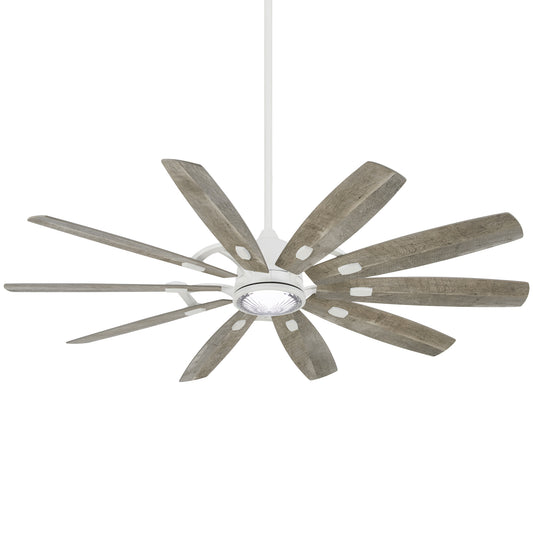
Before you even start thinking about the cost and headache of a full replacement, remember that a quality repair can give your fan years of extra life. This is especially true for higher-end models where swapping out a single part is far more wallet-friendly than buying a whole new unit. For example, if you've invested in a beautiful, powerful fan like the Artemis XL5 by Minka-Aire Fans, which can run over $700, its superior build quality and available parts make future maintenance a no-brainer.
The Growing Need for Fan Repairs
Believe it or not, the demand for reliable fan parts and services is on the rise. The global ceiling fan market was valued at a whopping USD 14.6 billion in 2025 and is expected to more than double to USD 31.6 billion by 2035. This boom is fueled by the growing need for energy-efficient air circulation, especially in warmer climates where fans are a much cheaper alternative to running the air conditioner nonstop. You can explore more insights on the ceiling fan market here.
This growth means more homeowners are out there looking for companies that provide ceiling fan replacement parts and repair services, which makes knowing where to turn more important than ever.
Consider this guide your money-saving manual. It’s here to empower you to tackle fan issues head-on. Whether you're a weekend DIY warrior or you’d rather call a pro, we'll give you the know-how to get your fan spinning perfectly again.
We'll cover the essential steps to get you there:
- Diagnosing the specific problem your fan is having.
- Sourcing the correct components for your exact model.
- Deciding between a home repair and professional service.
Let’s get started. Think of this as your first step toward bringing back that quiet, steady, and effective ceiling fan you’ve been missing.
How to Diagnose Your Ceiling Fan Problem

Before you can even think about ordering a part or calling a pro, you’ve got to play detective. Just like a good mechanic listens to an engine before popping the hood, you need to observe your fan to figure out what’s actually wrong. Getting this first step right will save you a ton of time, money, and headaches down the road.
Your first mission, and it's a big one, is to find the fan's model number. This is the golden ticket. Without it, you’re just guessing. You'll usually find it on a small sticker on top of the motor housing, so you’ll probably need a stepladder to get a good look. This label has the manufacturer's name and the specific model number you'll need to give any company that provides ceiling fan replacement parts and repair services.
Listening to Your Fan's Warning Signs
With the model number in hand, it's time to tune in to what your fan is trying to tell you. Fans are great at communicating problems through specific sounds and odd movements.
A loud, awful grinding noise is a serious red flag. That’s often the sound of motor bearings giving up, and you need to deal with it fast before the entire motor seizes.
An annoying clicking or ticking sound is usually much less dramatic. More often than not, it’s just a loose screw on the motor housing or a blade bracket that needs a quick adjustment. A few minutes with a screwdriver, tightening everything you can see, often solves the problem.
If you hear a persistent humming or buzzing, you’re likely dealing with an electrical issue. This could point to a failing capacitor—the part that helps the motor start and regulate speed—or maybe just some loose wiring in the switch housing. Either way, electrical noises should always be checked out promptly for safety.
Pinpointing the Wobble and Shake
That out-of-control wobble is probably the most common complaint we hear. It looks scary, but the fix is often surprisingly simple. Before you panic, check that every blade screw is tight and that the fan is securely attached to the junction box in the ceiling.
If a good tightening doesn’t do the trick, you’ve likely got an imbalance. This can be caused by a bent blade bracket or a warped fan blade. You can often spot a bent bracket by looking at the fan from the side to see if one blade hangs lower or higher than the others. For a full walkthrough on this, learn how to fix a wobbly ceiling fan with our detailed guide.
Key Insight: Think of diagnosing your fan as a process of elimination. Always start with the simple stuff—like loose screws—before you start assuming it’s a major internal problem.
To help you connect the dots, we put together a quick reference table. It links the most common symptoms to the parts you'll likely need, whether you own a straightforward fan like the Basic-Max or a more complex model.
Common Ceiling Fan Issues and Required Parts
This table is a great starting point for figuring out what's wrong and what you might need to fix it.
| Symptom | Potential Problem Part | Average DIY Difficulty |
|---|---|---|
| Loud Grinding Noise | Motor Bearings | High (Often requires motor replacement) |
| Uncontrollable Wobbling | Bent Blade Bracket or Warped Blade | Medium |
| Clicking or Ticking Sound | Loose Screws or Blade Bracket | Low |
| Fan Won't Start or Change Speeds | Capacitor or Pull Chain Switch | Low to Medium |
| Lights Flicker or Dim | Loose Wiring or Faulty Light Kit | Medium |
Use this as your guide, but remember that every fan is a little different. Starting here, though, will put you on the right track to getting that breeze back.
Finding Reputable Sources for Parts and Services
Alright, you’ve figured out what’s wrong with your fan. Now for the real hunt: finding the parts or the person to fix it. This is where your search for companies that provide ceiling fan replacement parts and repair services gets serious, and knowing where to look is half the battle.
Your first stop should always be the manufacturer. Most big fan brands have websites where you can punch in your model number and see a list of available parts. This is your best bet for getting a genuine Original Equipment Manufacturer (OEM) part, which guarantees it’ll fit and work just like the original.
Specialized Online Retailers
But let's be honest, manufacturer websites can be a maze, and sometimes they won't even sell directly to you. That's where specialized online shops come in handy. We live and breathe this stuff, so we can help you cut through the confusion and find exactly what you need.
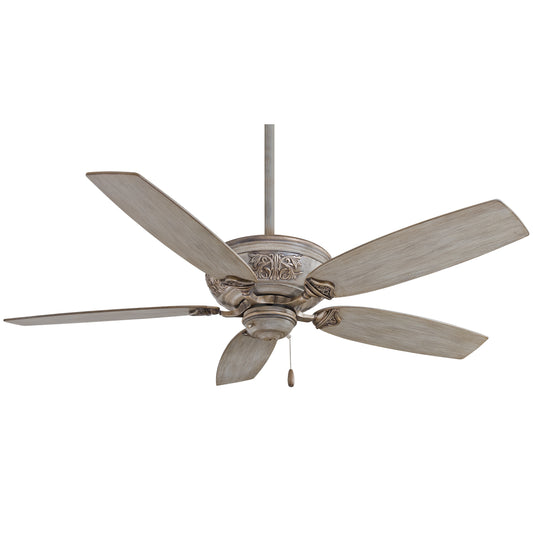
Take a high-end fan like the beautiful Chateaux by Quorum International. A fan like that can run you over $400, so you don't want to guess when buying a replacement part. A knowledgeable source is key to protecting that investment.
Vetting Professional Repair Services
If the thought of messing with wires makes you nervous, it’s time to call in a pro. And you’re in luck—the market for fan maintenance is bigger than you might think. The industry was valued at a whopping USD 12.9 billion in 2025 and is projected to hit USD 18.1 billion by 2035, with plenty of professionals now easy to find online. Read more about the growing ceiling fan market here.
Choosing the right repair service is a big deal. You want someone you can trust, much like the process of finding home automation installation companies you can trust.
Pro Tip: Don't just hire the first person who pops up in a search. A few minutes of homework can save you a world of headaches and a shoddy repair job. Always, always ask for proof of licensing and insurance—it's an absolute must for anyone doing electrical work in your home.
Here’s a quick checklist to help you screen potential technicians:
- Licensing and Insurance: Are they a licensed electrician? Do they have liability insurance? This is your safety net if anything goes wrong.
- Experience: Ask how long they’ve been in business. More importantly, have they worked on your fan's brand or a similar model before?
- Reviews and References: Check out their online reputation on Google or Yelp. A good pro won't hesitate to give you references from happy customers.
- Written Quotes: Never agree to work without a detailed written quote. It should clearly break down the cost of parts and labor so there are no surprises on the final bill.
Following these steps will connect you with a true expert who can get the job done right. And hey, if you're thinking about a full replacement, check out the amazing collections we have and see what your best places to buy ceiling fans with installation included might be.
Deciding Between DIY Repair and Hiring a Professional
Alright, you’ve figured out what’s wrong with your fan. Now you’re at a classic fork in the road: do you roll up your sleeves and fix it yourself, or is it time to bring in a pro? This isn't just about saving a few bucks; it’s about knowing your limits, valuing your time, and—most importantly—staying safe.
Some repairs are perfect for a weekend afternoon. Swapping out a broken pull chain, replacing a cracked glass light shade, or even balancing some wobbly fan blades are all totally manageable tasks for a reasonably handy person. These jobs usually just need basic tools and a little bit of patience. Plus, there's a great sense of satisfaction when you get it done right.
But there's a very clear line in the sand between a simple fix and a risky job. The moment a repair touches the fan's core electrical components, the stakes get a whole lot higher.
When to Call a Licensed Electrician
Let's be real: trying to replace a motor capacitor or troubleshoot weird wiring without proper training isn't just tricky—it's dangerous. One wrong move could lead to a nasty electrical shock, permanently fry your fan's motor, or even create a serious fire hazard. This is exactly what licensed electricians are trained to handle safely and correctly.
Think about the fan itself. If you've invested in a quality model like the sleek Aerovon by Minka-Aire Fans, which can run over $300, a professional repair is just smart asset protection. Paying an expert ensures the job is done right, protecting both your high-end fixture and your home. For a better idea of what to budget, our guide on ceiling fan labor costs breaks it all down.
This decision tree can help you visualize whether to tackle the repair yourself or call for backup.

As the chart shows, cosmetic and simple mechanical fixes are great DIY projects. But anything involving electrical wiring? That’s a job for a qualified technician, plain and simple.
Comparing the Costs and Benefits
It might seem cheaper to go the DIY route, but a botched repair can end up costing you way more in the long run. You could buy the wrong part, cause more damage trying to install it, or even have to replace the entire fan—turning a small headache into a major expense.
Key Insight: A professional repair isn't just a service; it's peace of mind. You're paying for expertise, safety, and a guarantee that the job is done right the first time. That’s something you can’t put a price on, especially with electrical work.
Here’s a quick breakdown to help you weigh your options:
- DIY Repair: Best for simple, non-electrical fixes. It saves on labor costs but requires your time, the right tools, and confidence in what you're doing.
- Professional Repair: Essential for all electrical work and complex mechanical problems. It costs more upfront but delivers safety, efficiency, and usually a warranty on the work.
Ultimately, choosing between DIY and a pro comes down to being honest about the complexity of the repair and your own skill set. For the straightforward stuff, give it a shot. For everything else, trusting one of the many companies that provide ceiling fan repair services is the safest and smartest move you can make.
When to Replace Your Ceiling Fan Entirely
While many fan issues can be solved with the right parts and a little know-how, there comes a time when a repair just isn't the best path forward. Let's be honest, sometimes you have to know when to call it. Recognizing when your ceiling fan has reached the end of its life can save you from sinking money into a losing battle—and open the door to a fantastic upgrade for your space.
A seized or burned-out motor is the most definitive sign. If the motor is dead, the fan is dead. It's really that simple. Similarly, if your fan is so old that its parts are discontinued and impossible to find, a full replacement becomes your only practical option. Severe, unfixable wobbling from something like a bent motor shaft is another clear signal that it's time to say goodbye.
Turning Replacement into an Opportunity
Instead of seeing this as a frustrating expense, try to reframe it. This is an exciting chance to completely transform a room's aesthetic and comfort. A new fan isn't just a utility; it can be a true centerpiece. A necessary replacement is the perfect excuse to invest in a model that truly elevates your home's design and performance.
This is where the fun begins. Imagine swapping out that dated, noisy fan for a statement piece that pulls the whole room together.
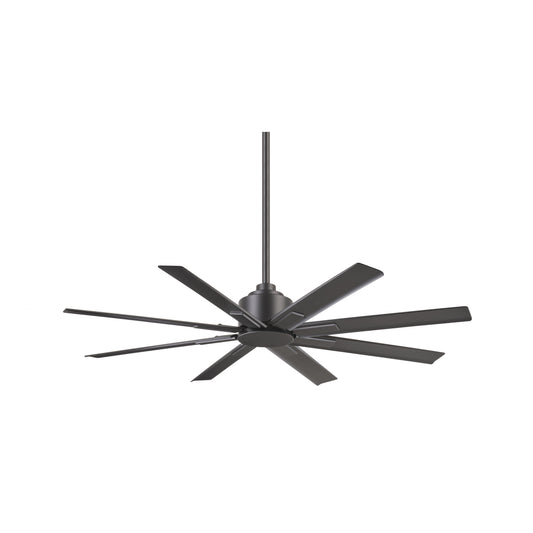
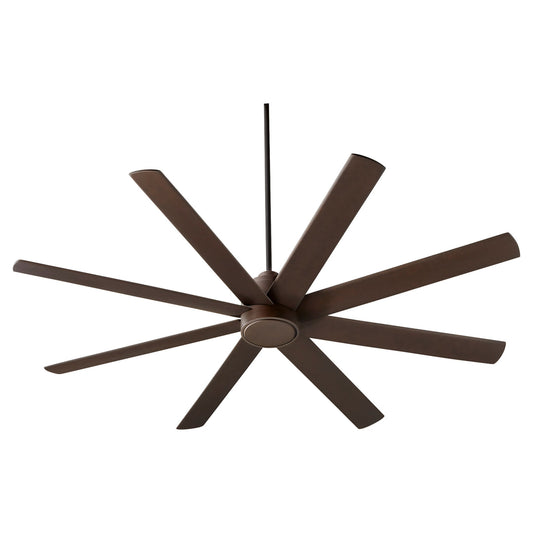
- For an Industrial Edge: The Andros by Modern Forms Fans offers a sleek, minimalist profile that adds a touch of modern industrial chic, costing around $600.
- For a Coastal Vibe: The Cabana by Quorum International features beautiful, leaf-shaped blades that can complete your coastal or tropical theme for just over $300.
This isn't just about replacing a broken appliance. It's about a strategic investment in your home’s value and your daily comfort. A new, high-quality fan can be more energy-efficient, quieter, and more visually stunning than what it replaces.
Making a Smart Investment in Comfort
The market for fan maintenance is huge, with residential homes making up over 80% of the USD 11.83 billion ceiling fan market valuation in 2025. While maintenance stats show that 25-35% of fans over 10 years old need minor fixes costing between USD 50-150, that number pales in comparison to the value you get from upgrading to a brand-new unit priced at $300 or more. Discover more insights about the evolving ceiling fan market.
When you're ready to make that change, knowing the proper installation steps is crucial. Check out our guide on how to replace a ceiling fan for a step-by-step walkthrough. Choosing a replacement from one of our curated collections ensures you're getting a top-tier product that will provide years of reliable, stylish airflow.
Common Questions About Ceiling Fan Repair
When your fan starts acting up, a bunch of questions usually follow. Can I fix this myself? Is it even worth fixing? How much is this going to set me back? It's easy to feel a little lost.
We get these questions all the time from homeowners and property managers. Let's walk through the most common ones to help you figure out your next move with confidence.
How Much Should a Professional Ceiling Fan Repair Cost?
The cost of getting a pro involved can be a bit of a moving target, depending on where you live and what's actually wrong with the fan. Right off the bat, you should expect a service call fee, which usually lands somewhere between $75 and $150.
On top of that, you're looking at the electrician's hourly rate, which typically ranges from $60 to $130. A simple job, like swapping out a broken pull chain, might only take an hour or so, putting your total labor cost around $100 to $200. But for more complex issues, like diagnosing a motor that's given up or rewiring a switch, the time and cost will obviously go up. Always, always ask for a detailed quote that breaks down parts and labor before you give them the green light.
Can I Use Universal Replacement Parts for My Fan?
It's tempting, I know. You see a universal remote kit or a "one-size-fits-all" part, and it seems like an easy fix. But this is one shortcut you don't want to take.
While some universal parts might work, they’re not designed for your specific model and can cause more problems than they solve. The safest, smartest approach is to stick with Original Equipment Manufacturer (OEM) parts—the ones made by your fan's brand, for your fan's model.
Think about it this way: using the wrong electrical part, like an incompatible capacitor, can easily overload and fry your fan's motor for good. Worse, it could create a serious fire hazard. For reliability and your own peace of mind, OEM is the only way to go.
Is It Worth Repairing an Old or Inexpensive Fan?
This is a great question, and the answer really just comes down to simple math. If you invested in a high-end fan—say, something that cost $400 or more—then spending $150 on a professional repair is a smart move. You're protecting your initial investment and getting more years out of a quality fixture.
On the other hand, if we're talking about a basic, sub-$100 fan from a big box store, paying a pro often doesn't make financial sense. For those cheaper models, you're better off tackling simple DIY fixes yourself. If a major part fails on an inexpensive fan, that repair money is almost always better spent on a brand new, more reliable model. For a deeper dive, check out our guide on which ceiling fan brands offer the most reliable warranty services.
How Can I Find My Fan's Model Number if the Sticker Is Gone?
Losing that little sticker with the model number can feel like hitting a brick wall, but don't throw in the towel just yet. It's time to play detective.
Start by taking several clear, well-lit pictures of the fan from every angle. Get good shots of the motor housing, the blade brackets (the metal arms that hold the blades), and any other unique design details. With these photos in hand, you can start browsing specialty retailer websites, like ours, to visually match your fan. Another surprisingly effective trick is to post your photos in online home improvement forums or DIY-focused social media groups. You'd be amazed at what the collective hive mind can identify.
Ready to find the perfect fan or the exact part you need? Explore our stunning product collections and connect with the best in style and performance.


