











Cost to Install a New Ceiling Fan: What It Really Costs
Alright, let's talk numbers and get you ready for your next home upgrade. You’ve found the perfect ceiling fan, and now you’re wondering what it’ll actually cost to get it up and spinning. It's the fun part where design dreams meet budget reality! When you hire a professional, you can generally expect the cost to install a new ceiling fan to land somewhere between $150 and $360. This is just for the labor, not the fan itself.
How Much Does Ceiling Fan Installation Really Cost?

Figuring out your budget for a new ceiling fan is a bit like planning a project—the final price tag really depends on what you're starting with. Are you simply swapping an old, wobbly fan for a sleek new model? Or are you installing one in a room that's never had one, meaning new wiring is needed?
This guide will give you a solid, real-world price range so you can plan your budget with confidence. We'll start with the big picture and then dig into the details that can move the price up or down.
A Quick Look at Installation Costs
When you're budgeting, it helps to think of the total cost in two distinct buckets: the price of the fan and the cost of the professional labor to install it. The fan gets all the attention, but understanding the labor cost is what keeps your budget on track. For a deeper dive, our guide on ceiling fan labor costs breaks it down even further.
Most homeowners find their total project cost, including a mid-range fan, lands right around $251. The typical range runs from $145 to $356, with the labor portion itself usually falling between $50 and $250. These numbers show that a new ceiling fan is a smart, affordable upgrade that can completely change how a room feels.
Keep in mind, hiring a pro is about more than just convenience—it's an investment in safety. A professional ensures your fan is mounted securely to a braced box, wired correctly, and up to local building codes.
Plus, a properly installed fan is a secret weapon for energy savings. By creating a wind-chill effect, a ceiling fan can make a room feel cooler, allowing you to raise your thermostat by up to 4 degrees in the summer. That simple change can slash your air conditioning costs by as much as 30%.
Breaking Down Your Installation Bill
Ever get an installation quote and feel like you're trying to decipher a secret code? Let's pull back the curtain on that bill together. When you’re figuring out the cost to install a new ceiling fan, the total price tag almost always comes down to two things: the fan itself and the hands that hang it.
Getting a handle on these two different costs is the first step to being a smart buyer. One part is all about your personal style and the features you want; the other is about skill, safety, and getting the job done right.
The Fan Price: A Tale of Two Tiers
The fan you pick is obviously the most visible part of this whole equation, and let me tell you, prices can be all over the map. It's a lot like buying a car—you can go for a reliable, no-frills model that gets you from A to B, or you can spring for a high-performance luxury machine. Ceiling fans are no different.
- Budget & Mid-Range Models ($50 - $299): These are the workhorses. They're built to be functional, dependable, and they circulate air without a lot of fuss. You’ll usually find standard features here, like a classic pull-chain and a basic light.
- Premium & Designer Models ($300+): This is where engineering meets artistry. These fans are meant to be the star of the show, often built with superior materials, ultra-quiet motors, and all the latest tech.
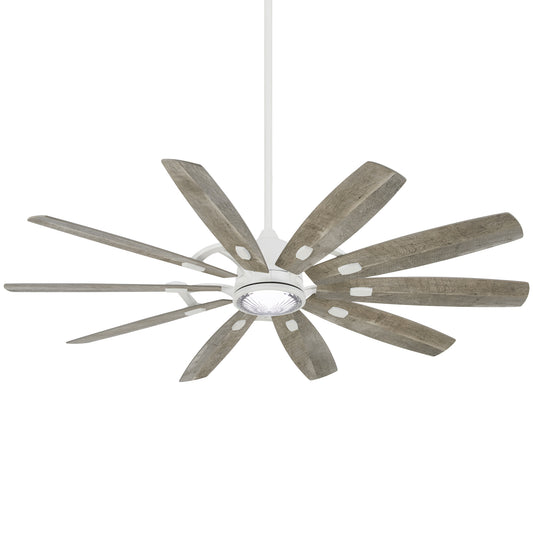
Take a showstopper like the Artemis XL5 Ceiling Fan. It's not just moving air—its unique, sculptural blades and premium finish make it a piece of art. At over $900, you're paying for that one-of-a-kind design, an advanced DC motor, and its impressive size. On the other hand, a fan like our rustic Barn Industrial Ceiling Fan, which runs around $300, gives you that perfect modern farmhouse look with weathered finishes but still packs modern performance.
Your choice here has the biggest impact on your upfront cost. Things like smart-home controls, sleek integrated LED lighting, and blades made from unique materials will naturally push a fan into that higher price bracket.
Labor Costs: Handyman vs. Electrician
The second big number on your bill will be for labor. You've generally got two options here: a general handyman or a licensed electrician. While a handyman might quote you a lower hourly rate, it’s not always the smartest move.
If your project involves running any new wiring, a licensed electrician is a must—no exceptions. Their expertise is what guarantees the installation is safe, secure, and up to local electrical codes. For a simple swap-out of an old fan, a good handyman might do the trick. But for my money, an electrician offers complete peace of mind, especially when you're installing a more complex or expensive fan. Labor typically falls in the $100 to $300 range for a standard job.
When you break it down like this, the whole process feels a lot less mysterious. You're simply paying for a product and a professional service. By understanding what drives the cost of each part—from the blade material to the installer's license—you can make choices that fit your budget and your home. To get a head start, check out our guide on the best places to buy ceiling fans with installation included. It'll help you find a fair price and a perfect result every time.
Key Factors That Influence Your Final Cost
No two installation jobs are ever exactly the same, which is why the final price tag can swing pretty wildly. Think of it like a custom project—every room has its own quirks and challenges. Getting a handle on these variables is the key to estimating your cost to install a new ceiling fan and avoiding any sticker shock.
The total cost really boils down to two main things: the price of the fan you choose and the labor needed to get it installed and spinning. This visual breaks down that basic split.

As you can see, both the fan itself and the professional labor are significant parts of your total investment. Now, let’s dig into the specific factors that can make that labor cost jump up or down.
New Wiring vs. Simple Replacement
The single biggest factor that will shape your final bill is whether you're starting from scratch. Installing a fan where no fixture existed before is a whole different ballgame than a simple swap.
- New Installation: If there’s no existing junction box or wiring, an electrician has to run new electrical lines from a power source, cut into your ceiling to install a new, fan-rated electrical box, and likely add a new wall switch. It’s a much more involved and time-consuming job.
- Replacement: On the other hand, swapping out an old light fixture or a tired old fan is far simpler. The wiring is already in place, which means less time, less mess, and a lower labor cost.
Because a brand-new installation involves more materials and several extra hours of skilled work, it can easily add $200 to $400 or more to your labor bill.
Ceiling Height and Type
Where you're hanging the fan matters just as much as how. Standard 8-foot flat ceilings are the easiest and most affordable scenario for any installer. But once you start reaching for the sky, the costs tend to follow.
A vaulted or sloped ceiling instantly adds complexity. Not only will you need a longer downrod to make sure the fan has enough clearance, but the installer might need special ladders or even scaffolding to work safely. All that extra setup time and equipment translates directly to a higher cost.
Expect labor costs to jump for ceilings over 10 feet. For really tricky placements, like over a staircase, installers might add $400 or more just to account for the added difficulty and risk involved.
Fan Complexity and Location
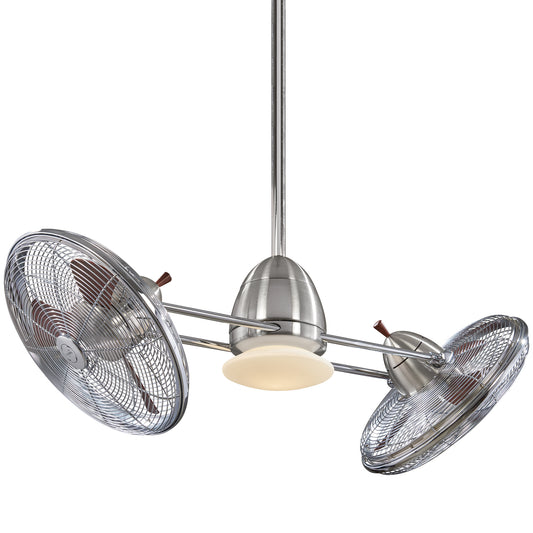
Not all fans are created equal. A basic, lightweight fan is pretty straightforward to assemble. But an elaborate model like the multi-headed Axis Ceiling Fan, which is priced over $400, requires a lot more time to put together and balance properly. Each extra blade or intricate part adds to the installation time. To get a better sense of how design choices affect performance, check out our article on the impact of fan blade count.
Your geographic location also plays a huge role. Labor rates in a dense urban center can be 10-20% higher than what you’d pay in suburban or rural areas. According to recent data, this regional difference is a major driver of cost, with total installation estimates for complex jobs ranging from $669 to $1,118. You can explore more detailed regional cost breakdowns and get a feel for what to expect in your area by reviewing in-depth pricing data from Homewyse.
DIY Installation vs Hiring a Professional
The idea of installing a new ceiling fan yourself is definitely appealing. You can almost picture it: a satisfying weekend project that ends with you saving a nice chunk of change—usually somewhere between $150 to $400 in labor costs. But before you grab the toolbox, it's smart to really weigh those savings against the potential headaches.
Let’s be honest: a wobbly, buzzing fan isn’t just an annoyance; it’s a genuine hazard. Get the wiring wrong, and you could be looking at electrical problems down the road. If it’s not mounted securely, it’s a serious safety risk. The choice between doing it yourself and calling a pro often boils down to one simple question: are you just replacing an old fan, or are you starting from scratch?
The DIYer's Sweet Spot
If you've got a little experience with basic electrical work and are just swapping out an old light fixture or fan for a new one, the DIY route can be a total win. The wiring and, most importantly, a fan-rated ceiling box are already there, which makes the whole job much more manageable. This is the perfect scenario for a confident weekend warrior to tackle.
To make things even easier, pick a fan designed for simple installation. A premium model like the sleek Aerovon Ceiling Fan, which runs over $300, not only looks great but is refreshingly straightforward to assemble. It's a fantastic choice for a replacement project.
For a replacement job, a successful DIY install really hinges on being comfortable with electrical safety. Always kill the power at the circuit breaker, use a voltage tester to double-check that the wires are dead, and follow the manufacturer's instructions to the letter.
When to Call in the Professionals
There are some situations where hiring a licensed electrician isn't just a good idea—it's pretty much essential for your home’s safety and your own peace of mind. If you’re putting a fan where there's no existing fixture, a pro is your best bet. That kind of job involves running new electrical lines through your walls and ceilings, which is a whole different ballgame than a simple swap.
A pro is also the non-negotiable choice for a few other common scenarios:
- High or Vaulted Ceilings: These jobs require special equipment like scaffolding and longer downrods. A professional knows exactly how to get the fan perfectly balanced and secured, no matter the height.
- Complex or Heavy Fans: If you've invested in a large, intricate designer fan, an expert will ensure it's assembled correctly to work safely and look its best.
- Older Home Wiring: An electrician can immediately spot if your existing junction box isn't fan-rated (a common issue in older homes) and upgrade it to meet modern safety codes.
Ultimately, hiring a professional is an investment in doing the job right. If you're weighing your options, understanding the process of hiring an electrician to install a ceiling fan is a great next step. It also protects your new fan's warranty, which can sometimes be voided if it's not installed correctly. For a step-by-step guide, check out our article on how to install a ceiling fan.
Investing in Premium and Specialty Fans

Sometimes, a ceiling fan is more than just a way to move air—it's the centerpiece of a room's whole personality. When you’re ready to make that kind of statement, you’ll find yourself looking at premium or specialty fans, which usually start around $300 and go up from there.
These models are where function and artistry really meet. Think of the bold, propeller-inspired look of the Aviation Ceiling Fan or the clean, architectural lines of the Chisel Ceiling Fan, both of which clock in at over $400. They're not just fans; they're conversation starters. But their unique designs, heavier materials, and intricate parts mean the cost to install a new ceiling fan of this type will be higher. A professional will need more time and care to get it just right.
Why Specialty Fans Need a Professional Touch
Beyond looks, specialty fans are often designed to tackle a specific challenge. Whether you need a fan for a tight corner, a smart home, or an outdoor patio, there’s a model built for that exact job—and each comes with its own installation playbook.
-
Outdoor-Rated Fans: These are your go-to for porches and patios. They’re built with moisture-resistant motors and all-weather blades to handle whatever Mother Nature throws at them. Proper installation is absolutely critical to shield the electrical connections from humidity and make sure the fan lasts.
-
Low-Profile "Hugger" Fans: Got ceilings lower than 8 feet? A low-profile fan mounts right up against the ceiling to give you maximum headroom. While they’re a great space-saver, that compact design can sometimes make the wiring a bit more finicky to access.
-
Smart Fans: Models like the oversized Andros Ceiling Fan or the sleek Artiste Ceiling Fan—both well over $500—are built to sync with your home automation systems. You’ll want an installer who knows their way around smart tech to ensure they connect seamlessly with your network for that effortless, voice-activated control.
The type of fan you pick will directly shape both the product cost and the installation price. While standard indoor fans often fall in the $150-$400 range, adding features like an ENERGY STAR rating can push that closer to $500. For a deep dive into how fan types drive installation costs, check out the data on HomeGuide. Safety upgrades, like AFCI breakers that prevent the majority of electrical fires, can also add another $300-$600 to the final bill.
Protecting Your High-Value Purchase
When you invest in a premium fan, you're not just buying an appliance; you're choosing a key piece of your home's decor. Think of professional installation as the insurance policy on that investment.
A pro ensures your heavy, high-end fan is mounted to a properly braced, fan-rated electrical box. This is what prevents wobble, noise, and—most importantly—keeps it safely attached to your ceiling. They also know how to assemble complex models correctly, which guarantees peak performance and keeps the manufacturer's warranty intact.
At the end of the day, these fans do more than just circulate air; they completely transform a space. If you’re looking for that perfect blend of high efficiency and stunning design, explore our guide to the best DC motor ceiling fans for more ideas.
Is a New Ceiling Fan a Smart Investment?
So, after looking at all the numbers, you might be asking yourself: is the cost to install a new ceiling fan actually worth it? The short answer is a resounding yes. It’s better to think of it not just as another home expense, but as a real investment in your comfort, style, and even your wallet. The payoff starts showing up surprisingly fast, right on your monthly energy bills.
A good ceiling fan works hard for you all year long. During those hot summer months, the gentle breeze it creates lets you turn up the thermostat a few degrees without breaking a sweat, potentially slashing your air conditioning costs by up to 30%. Then, when winter rolls around, you can flip a switch to reverse the blade direction. This simple move pushes all that warm air hovering near the ceiling back down into the room, giving your heating system a helping hand.
Beyond the numbers, a new fan instantly upgrades a room's aesthetic and enhances daily comfort. This simple change can make your home more enjoyable and appealing.
These kinds of smart upgrades can also make your property more attractive to future buyers. To make sure your new fan is a true asset, it helps to understand how to add value to your home with the right improvements.
At the end of the day, putting your money into a quality fan and a proper installation pays you back with lower bills, a more comfortable home, and a boost in property value. For any homeowner, that’s a winning combination.
Frequently Asked Questions
Even a straightforward project like installing a ceiling fan can come with a few head-scratchers. We get it. Here are the answers to some of the most common questions we hear from homeowners.
How Long Does It Take to Install a Ceiling Fan?
This really depends on what you're starting with. If you're just swapping out an old fan for a new one, a pro can usually get it done in about 1 to 2 hours. The wiring and support are already there, so it’s a pretty simple replacement.
But if it's a brand-new installation, that’s a different story. Running new wiring through walls and ceilings, especially if the ceiling is high or the fan itself is tricky to assemble, can stretch the job to 3 or 4 hours. Always ask your electrician for a time estimate upfront so you know what to expect for the labor costs.
Do I Need a Permit to Install a Ceiling Fan?
Most of the time, no—not if you're just replacing an existing fan. Cities typically see this as a minor repair, so you can skip the paperwork.
The rules change the moment you need to run a new electrical circuit. If you’re adding a fan where there was never a fixture before, that almost always requires a permit. It’s a safety measure to make sure the new wiring is up to code. A licensed electrician will know exactly what your local rules are and can handle the whole permitting process for you.
The Bottom Line: Swapping out a fan? You're probably fine. Adding a fan to a new spot? You'll likely need a permit. A pro will keep you compliant.
Can I Install a Fan on a Sloped or Vaulted Ceiling?
Absolutely! A fan on a vaulted ceiling looks fantastic and does a great job of moving air around a large, open space.
You just need the right gear to do it safely. This usually means three things:
- A fan rated for angled mounting.
- A special sloped ceiling adapter or canopy kit.
- A longer downrod to give the blades plenty of clearance from the ceiling.
This isn't a job for a first-timer. The installation is more complex, and it’s important to get the balance just right to avoid any wobbling. We’d recommend leaving this one to a professional to ensure your fan is secure and runs smoothly for years to come.
Ready to find a fan that perfectly combines style, performance, and value? Explore our stunning collections of designer and specialty fans and discover the ideal centerpiece for your home.


