











Your Guide to Light Fixtures for Ceiling Fans in 2026
Picking the right light fixtures for ceiling fans can be a total game-changer, turning a functional room into one with some real personality. When it comes down to it, you have two main options: buy a brand-new fan that comes with a light already built-in, or add a separate light kit to a fan you already have. Your choice here will shape the room's vibe, your energy bill, and how much work you've got ahead of you for installation. Let's make this fun!
Choosing Your Ceiling Fan Light Fixture

Think of it like buying a car. A fan with an integrated light is like getting a fully loaded model right from the factory—the sound system and navigation are designed to fit perfectly and work flawlessly. Everything just goes together for a polished look straight out of the box. The design feels intentional, you know it will perform as promised, and installation tends to be much more direct.
Adding a separate light kit, on the other hand, is like putting an aftermarket stereo in your trusty old ride. It’s all about flexibility and making it your own. If you already love your fan but desperately need some light, this is the way to go. You can mix and match styles to your heart's content, but you do have to be a little more careful to make sure everything is compatible.
Integrated Fixtures The All-in-One Solution
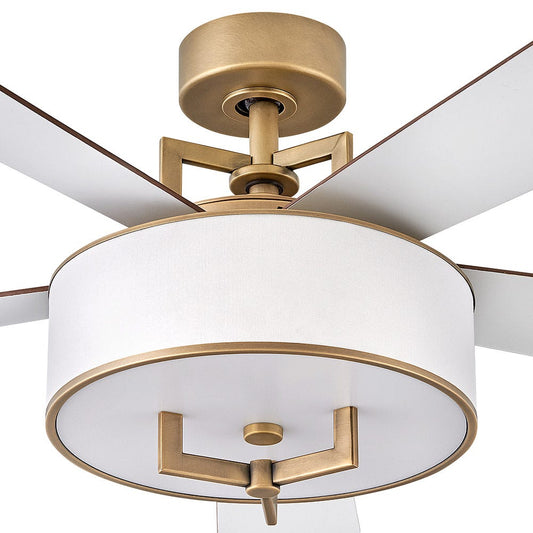
An integrated fan and light combo is the ultimate "set it and forget it" choice. These are designed from the ground up as a single, cohesive unit, so you can be sure the light fixture is a perfect match for the fan's motor, blades, and finish. It's the secret to achieving that high-end, designer look without any of the guesswork.
- Design Cohesion: The look is totally unified. No weird gaps, no clashing finishes—it just looks right.
- Guaranteed Performance: Since the electrical parts were made for each other, you won’t have any of those frustrating compatibility issues.
- Simplified Installation: You're only installing one thing, which often makes the whole process a lot smoother than trying to piece two separate components together.
For example, a stunning modern design like the Aerovon Fan Collection (starting from $327.96) showcases just how beautiful an integrated LED can be. The light is a core part of the design, not just something tacked on at the end. This is how you get that clean, sleek aesthetic that’s tough to achieve with an add-on.
Add-On Light Kits Customization and Flexibility
If your fan is "light-kit-ready," adding a kit opens up a whole universe of style choices. This is perfect for anyone who wants to put their own stamp on a room or just wants to freshen up an older fan without having to replace the whole thing. You can learn more about this by exploring the differences between a ceiling fan with light kit vs. without.
The real beauty of an add-on kit is its adaptability. You can change your room’s entire mood just by swapping out the light fixture—from a simple globe light to an ornate, multi-bulb fixture—without touching the fan itself.
This kind of flexibility means you can keep up with changing trends or just switch things up whenever the mood strikes. As long as you double-check that the kit is compatible with your fan, you can create a truly custom look that’s all you.
It’s easy to take the humble ceiling fan with a light for granted. But this combo wasn't just a happy accident—it was a stroke of pure, practical genius. Long before central air conditioning was a household staple, one simple appliance managed to solve two of our biggest needs at once: cooling a stuffy room and lighting it up.
The whole thing kicked off way back in 1882. A fellow named Philip Diehl, who worked for the Singer sewing machine company, had a brilliant idea. He took a sewing machine motor, flipped it upside down, mounted it to the ceiling, and attached blades. Just like that, the first modern ceiling fan was born. But his real game-changing move was adding a light fixture, creating the first appliance that merged airflow and illumination.
From that one clever invention, an entire industry grew. The journey from a purely functional machine to a must-have piece of interior design is a fascinating one. It perfectly mirrors our own changing relationship with our homes—from a place of pure utility to one of style, comfort, and personal expression.
From Workshop Wonder to Design Icon
In the early days, these fans were all business. You’d find them chugging away in factories, grand hotels, and restaurants—anywhere that desperately needed to move some air. The designs were heavy and industrial, built for performance above all else. Aesthetics weren't even on the radar.
But as electricity became standard in more homes, the ceiling fan started to get a makeover. Homeowners began to see its potential not just for comfort, but as a real decorative centerpiece. Manufacturers caught on, introducing new materials, finishes, and—most importantly—more elegant light designs.
Today, that evolution has hit its stride. The modern ceiling fan is as much a statement piece as it is a functional appliance. This history really puts into perspective the incredible variety and technology we have at our fingertips now.
The global ceiling fans market hit USD 14.24 billion in 2023 and is on track to reach USD 19.92 billion by 2030. Decorative fans with built-in lighting are a huge driver of this, growing at a rate of 5.5% CAGR.
Today's Ceiling Fan Lights: A Legacy of Innovation
Every sleek, stylish fan you see today is a direct descendant of Diehl's original concept. The big difference is the sheer number of options and the level of design sophistication. What started as a simple bulb tacked onto a motor has become a fully integrated system of ambiance and airflow.
Just look at these incredible examples that bring this evolution to life:
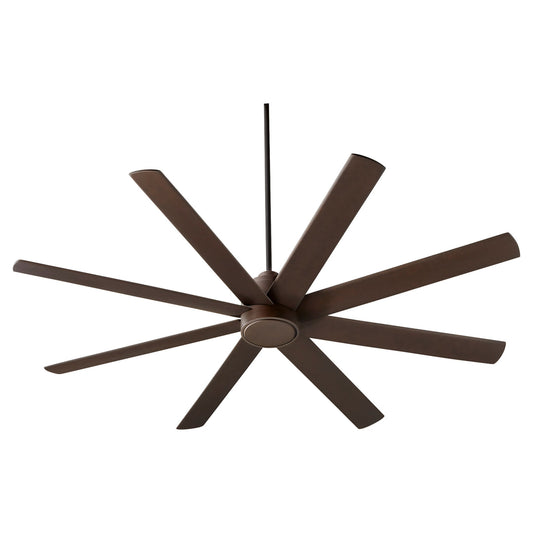
- The Fanimation Aviation ($678.98): This fan channels the industrial spirit of the originals but with a refined, contemporary edge. Its optional light kit shows just how far customization has come, allowing it to adapt to almost any room.
- The Minka-Aire Artemis XL5 ($799.95): This fan is basically a piece of kinetic sculpture. Its flowing, organic blades and powerful integrated light are the perfect marriage of form and function in one beautiful object.
It's pretty amazing to see how a practical invention became a canvas for design, technology, and personal style. It’s completely changed how we think about comfort and light in our homes. If you want to dive deeper into the numbers behind this growth, check out the energy efficiency research from the Department of Energy.
Integrated Lights Versus Add-On Kits
So, you’re looking for a ceiling fan with a light. Great choice. The first big question you’ll run into is a simple one: do you get a fan where the light is already built-in, or do you buy a separate light kit to attach yourself?
It might seem like a small detail, but this choice really sets the stage for everything—from the final look to how easy the installation will be.
Think of it this way. An integrated light is like buying a new car with the navigation system built right into the dashboard. Everything is designed from the factory to look and work perfectly together. It’s a seamless package.
An add-on light kit, on the other hand, is like picking out a sweet aftermarket sound system for a car you already love. You get total control and tons of options, but you’ve got to make sure it’s compatible.
This quick decision guide can help you figure out which way to lean.

As you can see, a lot depends on whether you're starting from scratch with a new fan or just want to upgrade the one you already have.
The All-in-One Appeal of Integrated Lights
Ceiling fans with integrated lights have a clean, intentional look because the light source is part of the fan's fundamental design. You’ll see this approach a lot on modern, high-end fans where a sleek profile is the whole point.
Take the gorgeous Minka-Aire Artemis IV Collection (starting at $499.95). Its powerful LED light is tucked flush inside the fan’s body. You simply couldn't get that clean, sculptural look by slapping a light kit on it. Here, the light isn’t an accessory; it’s part of the fan’s DNA.
With an integrated system, you also get to skip the compatibility guesswork. The wiring, the housing, and the controls are all designed as a single unit, which makes for a much more straightforward installation and a perfectly balanced look.
The Creative Control of Add-On Light Kits
Now, if you’re all about customization, add-on light kits are your best friend. They give you incredible freedom. If you have a fan that’s "light kit adaptable," you can give it a complete makeover without needing to replace the whole thing.
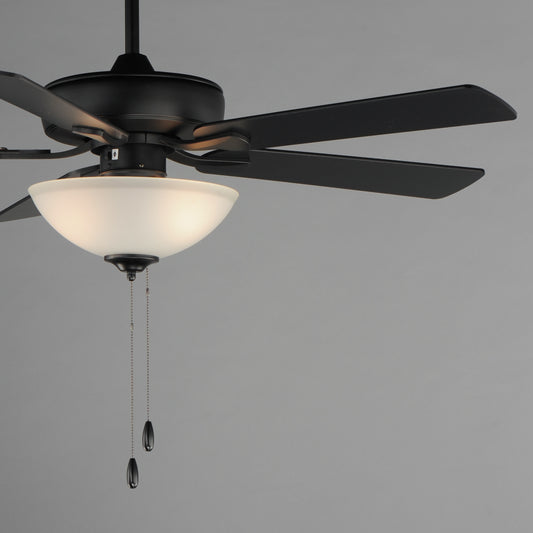
This is also a great route if you find a fan you adore, but just aren’t sold on the light it comes with. You can pick from an endless variety of styles, from simple bowl lights to fancy, multi-light fixtures, and dial in the exact look you want. We have a whole guide on how to upgrade your fan with a light kit if you want to see what's involved.
The trade-off? You have to do your homework. It’s absolutely essential to confirm that your light kit is mechanically and electrically compatible with your fan. When in doubt, it’s always a good idea to bring in a pro. For peace of mind, consider using expert ceiling fan installation services to ensure everything is hooked up safely.
So, Which One Is Right for You?
To make the best call, it helps to see how they stack up head-to-head. This table breaks down the main differences between going with an integrated light versus an add-on kit.
Integrated Light vs. Add-On Light Kit Comparison
| Feature | Integrated Light Fixture | Add-On Light Kit |
|---|---|---|
| Aesthetics | Perfectly cohesive and unified design. | High degree of customization; can mix and match styles. |
| Installation | Simpler, as you are installing a single unit. | More complex; requires ensuring compatibility and mounting a separate component. |
| Performance | Guaranteed compatibility and optimized performance. | Performance depends on correctly matching the kit to the fan. |
| Upgradability | Limited; the light is part of the fan itself. | Excellent; you can easily swap out the light kit for a new style later. |
| Best For | New installations, modern/minimalist decor, and ease of use. | Upgrading existing fans, unique design needs, and future flexibility. |
In the end, there’s no single "correct" answer—just the one that’s right for your space, your style, and your project.
If you’re after that polished, designer look and an easy setup, an integrated model is a fantastic choice. But if you love to personalize and want the freedom to change things up later, an add-on kit gives you all the creative control you could ask for.
Finding a Style That Complements Your Home

We've handled the technical side of things, so now we get to the fun part—choosing a fan light that truly completes your space. This is where you can stop thinking like an electrician and start thinking like an interior designer.
Think of your ceiling fan light fixture as you would a piece of art or furniture. It shouldn't just blend in; it should elevate the entire room, turning a functional appliance into a real statement piece that harmonizes with your existing decor.
A great place to start is by pinpointing your house design style. Are you all about clean lines and neutral colors, or do you lean into warm woods and cozy textures? Figuring this out gives you a clear roadmap for what to look for.
Matching Fixtures to Your Interior Theme
Every home has its own personality, whether you’ve carefully curated it or let it evolve naturally. Your fan light should feel like it belongs there.
Let's break down how a fan light can perfectly cap off a few popular styles:
- Modern and Minimalist: This is all about clean lines and a "less is more" mindset. Look for fans with sleek integrated LED lights and simple, sculptural profiles. The Artemis IV Collection (starting at $499.95) is a fantastic example, with blades that look like art and a light source that feels like part of the design, not an afterthought.
- Rustic and Farmhouse: This look is built on warmth, comfort, and natural materials. You'll want fixtures with wood-toned blades, oil-rubbed bronze finishes, and maybe a cage-style or seeded glass shade. It's a style that feels grounded and welcoming.
- Coastal and Tropical: If your home is your breezy escape, your fan should add to that relaxed, airy vibe. Think leaf-shaped blades or light, weathered finishes. A fan like the Cabana Fan Collection (from $399.96) can make you feel like you’re at a seaside resort.
The Power of the Perfect Finish
A fixture’s finish is one of the most impactful design choices you can make. It can create a bold focal point or add a subtle, sophisticated touch. A good rule of thumb is to have it tie into other hardware in the room—like cabinet pulls, doorknobs, and faucets.
Your fan light's finish doesn't have to be an exact match to everything else in the room. In fact, mixing metals is a popular design choice. The key is to create a sense of intentionality, not chaos.
Think about the mood different finishes can set:
| Finish | Aesthetic Impact | Best For |
|---|---|---|
| Matte Black | Creates a bold, dramatic focal point with a modern edge. | Contrasting with light walls; modern, industrial, or farmhouse styles. |
| Brushed Nickel | Offers a soft, contemporary look that is incredibly versatile. | Blending in with a wide range of color palettes; transitional and modern homes. |
| Polished Brass | Adds a touch of vintage glamour and warmth. | Art Deco, traditional, or eclectic spaces needing a pop of shine. |
| Oil-Rubbed Bronze | Provides a rich, traditional feel with warm, dark tones. | Rustic, Tuscan, and traditional interiors. |
If you're aiming for true elegance, some fixtures even double as chandeliers. The Craftmade Chateaux ($498.00) is a total showstopper, bringing candelabra-style grace to a formal dining room or a grand primary bedroom. To see what's new, you can explore the latest ceiling fan design trends that are popping up in homes for 2026.
How Light Shades Shape the Mood
Finally, don't sleep on the shade. The material covering the bulb has a huge say in the quality of light and the overall mood of the room. It’s the last piece of the style puzzle.
- Frosted or Etched Glass: This is a classic for a reason. It softens the light, cutting down on harsh glare and creating a gentle, even glow that's perfect for general lighting.
- Clear or Seeded Glass: Great for a vintage or industrial vibe, clear shades put the bulb on full display (so choose a cool-looking one!). They give off bright, direct light, which is useful but can be intense.
- Fabric Drum Shades: Often found on transitional or traditional fixtures, fabric shades create a warm, inviting light. They’re excellent for bedrooms and living rooms where you want to foster a soft, relaxing atmosphere.
By putting some thought into the style, finish, and shade, you'll find a fan light that does so much more than just brighten a room—it helps define it.
Picking the Right Bulb: Lumens, Smart Controls, and More
Let’s be honest—shopping for a fan's light fixture can feel a little overwhelming. You start seeing words like lumens, kelvins, and smart controls, and suddenly you’re just nodding along, hoping you pick the right one. But it doesn't have to be that complicated.
Think of it like this: choosing a fan light based only on its style is like buying a beautiful lamp without a lightbulb. It looks nice, but it won't do the job. To really get the most out of your fan, you need to understand what makes the light tick.
Light Brightness and Color, Demystified
When you're looking at lighting specs, two terms matter more than anything else: lumens and color temperature.
-
Lumens (lm): This is your go-to number for brightness. For years, we were taught to think in watts, but watts measure energy use, not light output. Lumens tell you exactly how bright a bulb is—the higher the number, the more light you get. For a standard living room (around 250 sq. ft.), something in the 1,000 to 2,000 lumen range is a great starting point.
-
Color Temperature (K): Measured in Kelvins, this is all about the feel of the light. It's the difference between a cozy den and a bright, modern kitchen. Lower Kelvin values (2700K-3000K) give off a warm, yellowish glow reminiscent of old-school incandescent bulbs—perfect for bedrooms and living rooms. Higher values (4000K-5000K) produce a cool, crisp white light that mimics daylight, which is fantastic for home offices or anywhere you need to stay focused.
Thanks to LEDs, getting the perfect light is easier than ever. They’re incredibly efficient and last for ages, which means fewer trips up a ladder to change a burnt-out bulb. You can dive deeper into the benefits by checking out our guide on ceiling fans with LED lights.
Choosing the right light isn't just about being able to see; it's about setting a mood. The ability to shift from a bright, energetic 4000K for daytime tasks to a warm, relaxing 2700K for evening conversation is what turns a room from just a space into a place you love to be.
Smart Controls Are the New Standard
The biggest game-changer in ceiling fan lighting isn’t just the bulb itself—it’s how you control it. Smart controls have gone from a techy novelty to a must-have feature, giving you an amazing amount of control right from your phone or a simple voice command.
Imagine dimming the lights and changing the fan speed without ever leaving the couch. That's the beauty of modern remote and app controls. High-end fans, like the stunning Matthews Fan Company Andros ($1,388.00), feature sophisticated systems that let you fine-tune everything effortlessly.
This shift toward smarter, more efficient homes is huge. The lighting and ceiling fan installation market is projected to be a $1,615 million industry globally in 2025, driven by homeowners who want stylish, dual-function fans that also save on energy bills. With LEDs becoming the norm and advanced BLDC motors cutting fan energy use in half, making an efficient choice is easier than ever. You can learn more about how smart home integrations are shaping the industry and the trends driving it.
Don't Forget Compatibility and Safety
Whether you're going with a fan that has a built-in light or adding a light kit to an existing fan, making sure everything is compatible is non-negotiable. If you're buying a separate light kit, you have to confirm it’s made for your exact fan model. Always double-check the manufacturer's specs for both parts to ensure they’ll work together mechanically and electrically.
A mismatch can cause all sorts of problems, from flickering lights and a wobbly fan to a serious electrical hazard. When you're dealing with wiring—especially on an appliance that spins—safety has to be your number one priority. If you feel even a little bit unsure, calling a licensed electrician is a small price to pay for peace of mind.
Premium Fan and Light Recommendations

Sometimes, a ceiling fan needs to do more than just move air. It needs to make a statement. When you’re ready to invest in a fixture that’s equal parts high-performance appliance and stunning work of art, it’s time to look at the premium collections.
We’ve curated a handful of our favorite models priced at $300 or more. These aren't just fans with lights attached; they're thoughtfully designed centerpieces meant to elevate your home. Let's take a look at a few celebrated models that blend breathtaking style with powerful, quiet performance.
Minka-Aire Artemis XL5
For those grand spaces with soaring ceilings, the Minka-Aire Artemis XL5 ($799.95) is an architectural masterpiece. Its five gracefully contoured blades look like a modern sculpture, but they also move a serious amount of air. The integrated LED light is powerful enough to fill a large room with brilliant, efficient illumination. It’s the perfect choice for great rooms and open-concept spaces where you need a dramatic focal point that actually works.
Fanimation Aviation
If your style has a bit of an industrial-chic edge, the Fanimation Aviation ($678.98) is guaranteed to make a bold impression. Inspired by the propellers of vintage aircraft, this fan's robust design commands attention. It’s offered with an optional light kit, so you can tailor its look while adding some much-needed downlighting. We love seeing this one in lofts, modern farmhouses, and any room that celebrates strong, clean lines.
Choosing a premium fan is about investing in your home's atmosphere. These models are engineered for whisper-quiet operation, superior energy efficiency, and a design aesthetic that can define an entire room.
Matthews Fan Company Andros
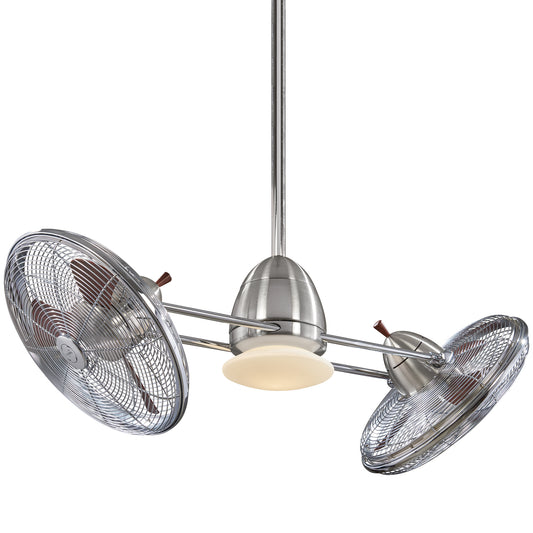
Looking for something truly unique? The Matthews Fan Company Andros ($1,388.00) is in a class of its own. This rotational fan features two distinct fan heads that orbit a central axis, creating a dynamic and widespread airflow pattern. The effect is both mesmerizing and incredibly functional. It’s a true conversation starter that brings a sophisticated sense of motion to any modern space.
Craftmade Chateaux
Finally, for a touch of timeless elegance, the Craftmade Chateaux ($498.00) brings the beauty of a chandelier right to your ceiling. With its ornate details and classic candelabra-style lights, this fan delivers both a gentle breeze and a warm, romantic glow. It’s perfect for adding a sense of grandeur to a formal dining room, primary bedroom, or traditional living area.
To see how these high-end options can fit into your design plans, check out our guide to the top-rated ceiling fans with LED lighting for living rooms.
Frequently Asked Questions
When you're shopping for a ceiling fan or trying to upgrade your current one, a few questions always seem to pop up. We get it. Getting the lighting right is just as important as the airflow.
Here are the straightforward answers to the most common questions we hear.
Can I Add a Light Kit to Any Ceiling Fan?
This is a big one, and the short answer is no. You can’t just attach any light kit to any fan.
For a light kit to work, the fan has to be built for it—what we call "light kit adaptable" or "light kit ready." This means the fan has the right wiring and a specific mounting spot (like a removable cap or plate) waiting for a light fixture.
Trying to rig a light onto a fan that isn't designed for it is a bad idea. It's a recipe for a wobbly fixture, damaged wiring, and even a potential fire hazard. Always check the fan's manual or look up the model online to confirm it’s adaptable before you buy a light kit.
How Do I Choose the Right Brightness?
Picking the right brightness is all about making a room feel right. The number you need to pay attention to is lumens, which tells you how much light a bulb or fixture actually puts out.
As a rule of thumb, a medium-sized room (around 250 square feet) needs a light that provides between 1,000 to 2,000 lumens. This is plenty for general use in a bedroom or living room without being too harsh.
If you have a larger space or need bright light for tasks like cooking or reading, aim for a higher lumen count. Better yet, get a fan with a dimmable light so you can adjust the mood on the fly.
Are Integrated LED Lights Replaceable?
It’s a fair question, especially with all the new fans using integrated LED modules. These aren't like old-school bulbs you just twist out. They are built to last an incredibly long time, often rated for 25,000 to 50,000 hours of use. For most homes, that’s literally decades.
So, while you can't just pop in a new "bulb," the entire LED module can be replaced if it ever fails. It’s a job for an electrician since it involves working with the fan's wiring, but honestly, you'll probably never need to.
What if My Remote Stops Working?
A dead remote is frustrating, but the fix is usually pretty simple. Don't call for backup just yet—try these steps first:
- Check the Batteries: This is the cause 9 times out of 10. Pop a fresh set into the remote.
- Inspect the Receiver: Some fans have a receiver in the canopy (the part against the ceiling) that also has batteries. It's worth checking those too.
- Re-Pair the Remote: Occasionally, the remote and fan just forget each other. Your manual will have instructions for "re-pairing" or "re-syncing" them, which usually just takes a few button presses.
If you’ve tried all that and it's still not working, it might be time to order a replacement remote from the manufacturer.
Ready to find the perfect blend of style, airflow, and illumination for your home? Explore the curated collections at Fan Connection and discover premium fans that will transform any space.


