











Finding Local Companies That Provide Custom Ceiling Fan Designs
When you're on the hunt for a local company that can create a custom ceiling fan, you’re not just looking for a retailer. You're looking for a partner—an artisan, a metal fabricator, or a bespoke design studio that gets your vision and can turn it into a one-of-a-kind functional art piece. This isn't an off-the-shelf purchase; it's a collaborative journey from a simple sketch to a finished fan, built exclusively for your space.
Why a Custom Ceiling Fan Is More Than Just a Luxury
Let’s be honest. The ceiling fans you find at big-box stores often feel like a design afterthought. They do the job, sure, but they rarely do anything to elevate a room. This is exactly why so many homeowners and interior designers are now seeking out local companies that provide custom ceiling fan designs.
A custom fan isn't just about looks; it's a practical solution for architectural and stylistic challenges that standard models just can't handle.

Think about a converted industrial loft with dramatic 20-foot ceilings. A standard 52-inch fan would look tiny and do a poor job of moving air. Or what about a lovingly restored Victorian home? A modern plastic fan would stick out like a sore thumb. These are the moments when a custom solution truly shines.
Solving Unique Design Problems
A bespoke fan is built to solve real-world problems that generic models ignore. When you can dictate every single element—from blade length and pitch to the motor housing and finish—you get something that's perfectly scaled and stylistically on point.
- For Soaring Ceilings: A custom designer can engineer a fan with the right downrod length and a larger blade span to guarantee proper air circulation, even in a cavernous great room.
- For Historic Homes: An artisan can craft a fan using reclaimed wood or an aged brass finish to match the home's original character, turning a modern appliance into a seamless part of the historical vibe.
- For Minimalist Spaces: In a clean, uncluttered room, a custom fan can be designed as a functional sculpture with sleek lines and an unobtrusive motor, becoming a statement piece that complements the room’s simplicity.
This shift toward personalized fixtures is showing up in market data, too. While standard fans held a 45.2% market share in 2023, the demand for decorative and energy-saving models is on the rise. We're also seeing a huge jump in smart ceiling fans with IoT features, especially in North America. It’s clear people want products that deliver both high style and advanced function. You can dig into the numbers in this ceiling fan market trends and analysis on StraitsResearch.com.
The true value of a custom fan lies in its ability to transform a potential design flaw—like an awkwardly shaped room or an unusually high ceiling—into a distinctive architectural feature.
The Best of Both Worlds: A Curated Alternative
Let's be real, though. The path to a fully custom fan can be long and expensive, often taking months from the first conversation to the final installation. For a lot of people, that’s just not practical.
The good news? You can still get a "custom look" without starting from scratch. High-end, curated collections offer a brilliant middle ground, blending bespoke quality with the convenience of a ready-to-ship product.
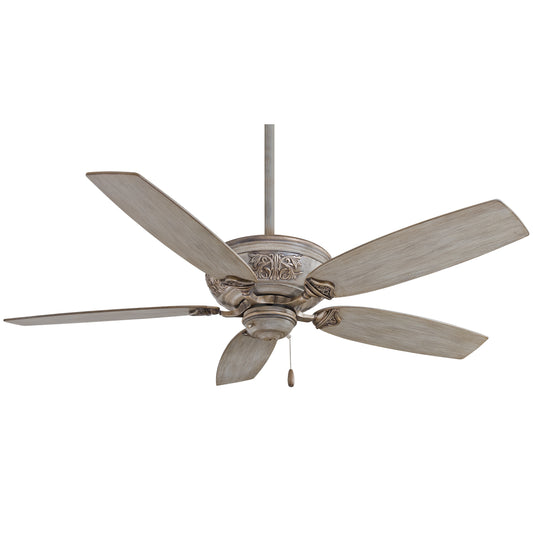
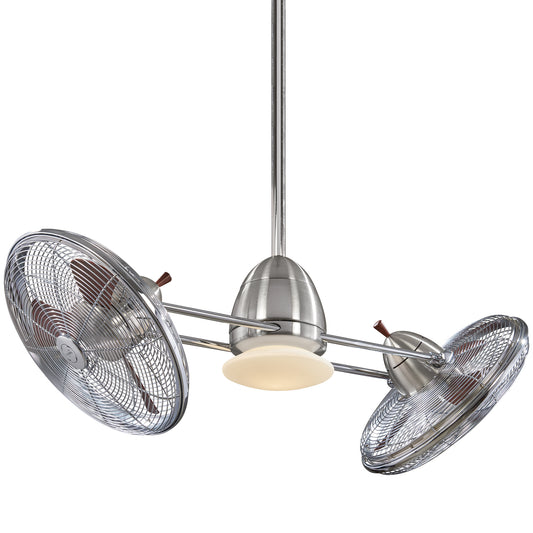
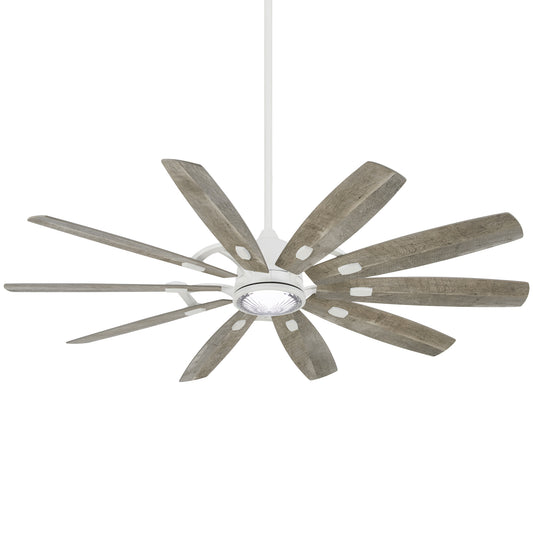
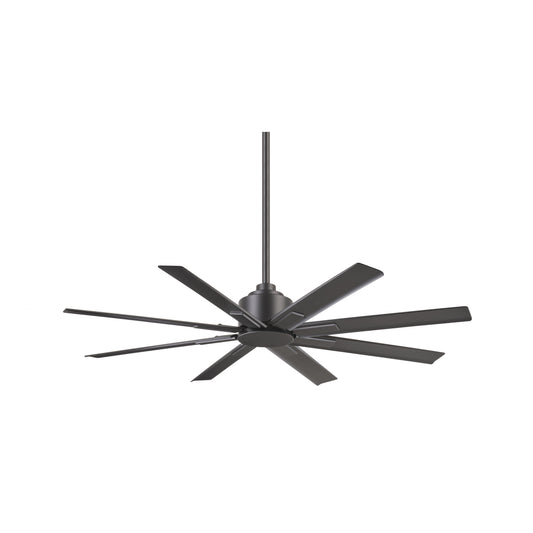
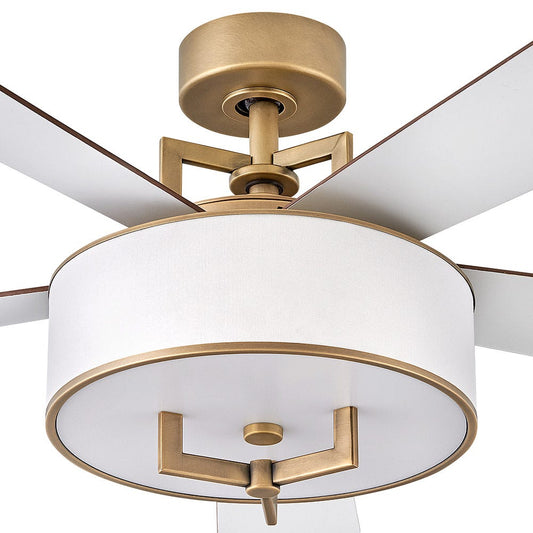
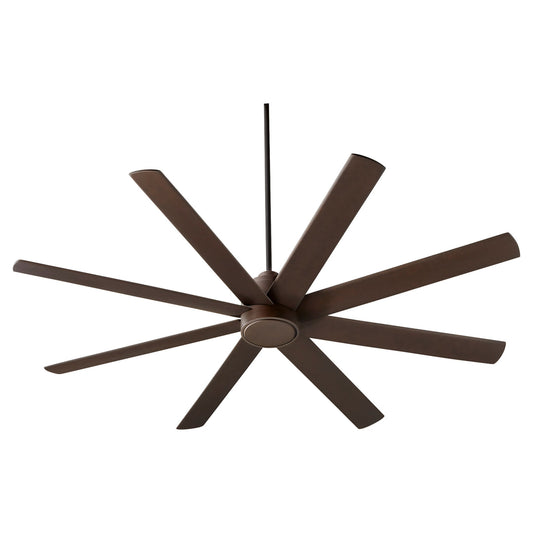
Think of architecturally stunning models like the Artemis XL5 ($599.95), which feels like a piece of sculpture, or the eye-catching Aviation series ($499.95). These fans are masterfully designed and deliver a powerful design statement right out of the box.
Your Guide to Finding Local Fan Artisans
If you're hunting for a truly custom ceiling fan, a simple Google search for "local companies that provide custom ceiling fan designs" probably won't cut it. The real magic happens in small, specialized studios—the kind of places that focus on craftsmanship, not advertising budgets. To find them, you have to think more like an interior designer and be willing to do a little digging.
This guide will give you some practical strategies to uncover the hidden gems in your area, connecting you with the creators who can bring a one-of-a-kind vision to life.

Go Beyond Basic Search Terms
The problem with standard search terms is that they lead you straight to big retailers and generic lead-gen websites. The real trick is to search for the skills involved in making a custom fan, not just the fan itself. Using more specific, industry-adjacent keywords is how you’ll unearth the studios with the right talent.
Give these search combinations a try:
[Your City] architectural metal fabricatorBespoke lighting studio near meCustom metalwork for interiors [Your County]Artisan woodworker lighting
These queries get you to specialists who work with the right materials and at the right scale for a custom fan, even if "ceiling fans" aren't explicitly listed on their site. It’s a way to bypass all the noise and get straight to the makers.
Use Design-Focused Platforms
General search engines are just one tool in your toolbox. Platforms built for design pros and home enthusiasts are absolute gold mines for finding high-caliber local talent. They're visual, driven by portfolios, and usually curated for quality.
Houzz is a great place to start. It's essentially a massive directory of home design and renovation professionals. You can filter by your location and specialty, but most importantly, you get to see extensive photo galleries of their past work. Look for pros listed under "Metal Fabricators," "Lighting Design," or even "Custom Furniture Makers."
Instagram can also be a surprisingly powerful discovery tool if you use it right. Don't just browse aimlessly—search for local, design-centric hashtags.
#[YourCity]Designer#[YourCity]Architecture#[YourState]Handmade#CustomLightingDesign
Following these tags will start to fill your feed with the work of local architects, interior designers, and artisans. You'll quickly get a feel for who has an aesthetic that matches yours, and they often tag their collaborators, leading you down a rabbit hole to even more potential partners.
Think of your search as an investigation. You're not looking for a single answer; you're following a trail of breadcrumbs left by talented local creators and the designers who hire them.
Think Outside the Fan Box
Here’s a pro tip: some of the most skilled people who could create a custom ceiling fan might not advertise that service at all. Their main business might be something else entirely, but they have the core skills you need. Broadening your search into adjacent fields can turn up some amazing finds.
For instance, high-end woodworkers and custom furniture makers are masters of balance, form, and material. They understand how to work with beautiful hardwoods and might have the expertise—or the right connections—to help you craft custom blades. Architectural metalworkers are pros at fabricating housings, brackets, and other structural parts with precision and artistry.
When you reach out to these professionals, you’re not asking if they have a fan catalog. Instead, you're presenting them with a creative challenge: "I have a unique design concept for a ceiling fan; is this a project you would be interested in collaborating on?" You might be surprised by how many artisans jump at the chance to work on something new and exciting.
This approach opens doors that a straightforward search would miss, connecting you directly with the hands-on talent you’re looking for. For those who need more immediate options, exploring the best ceiling fan stores in your area can also provide a ton of inspiration.
How to Vet a Custom Fan Company Like a Pro
Alright, you’ve done your homework and have a shortlist of potential fan artisans and design studios. This is where the real fun—and the most critical work—begins. It’s time to move from finding local companies that provide custom ceiling fan designs to figuring out which one is the right partner for your home.
Vetting a company isn't just about admiring their beautiful portfolio. It’s about digging into their process, their technical know-how, and their real-world track record. The goal is to separate the seasoned pros from the enthusiastic hobbyists, so you can feel completely confident they'll deliver a fan that's not only gorgeous but also safe, durable, and perfectly engineered for your space.
Digging Deeper Than the Portfolio
A stunning portfolio is a great starting point, but it only tells half the story. You really need to understand the "how" behind the "what." When you have that first conversation, come prepared with a few specific, technical questions that get to the heart of their craft.
Here’s what you should aim to uncover:
-
Their Design Process: Ask them to walk you through a typical project from start to finish. Do they begin with hand sketches, or jump straight into 3D CAD modeling? How do they handle client feedback and revisions? A professional studio will have a clear, structured process they can explain without hesitation.
-
Material Sourcing: Get specific. Where do they get their wood, metal, and other components? A true craftsman will light up talking about the wood species they prefer for perfect blade balance or the specific grade of steel they trust for motor housings. Vague answers are a warning sign.
-
Motor Technology: This is a deal-breaker. Ask them directly, "What kind of motors do you use in your fans?" You want to hear them talk about high-quality, energy-efficient BLDC (Brushless DC) motors. These are the gold standard—they're quieter, more reliable, and offer far better speed control than old-school AC motors. If they seem unsure or dismissive of this, it’s a major red flag.
The Power of Past Projects and References
Looking at past work is essential, but don't just scroll through a gallery on their website. Ask to see detailed case studies or even some behind-the-scenes photos of a project similar in scope to yours. This gives you a much better sense of their problem-solving skills and their eye for detail.
A company's willingness to openly share both recent and older client references speaks volumes about their confidence in their product's long-term durability and performance.
When it comes to references, don't just ask for a list of happy clients. Be strategic about it. Ask to speak with two specific types of past customers:
- A Recent Client: Someone whose project was completed in the last six months. This will give you fresh insight into their current process, communication style, and how they handled the final installation.
- An Older Client: Someone whose fan was installed three to five years ago. This is your chance to ask about durability. How has the fan held up? Have there been any issues with noise, wobble, or finish? This is how you learn about the true longevity of their craftsmanship.
This two-pronged approach gives you a well-rounded picture of not just their creative vision, but the real-world reliability of their fans. And speaking of the final step, you can learn more by checking out our guide on finding top-rated ceiling fan installation services to ensure your custom piece is installed perfectly.
The ceiling fan market has surprisingly strong regional variations, which is why local expertise can be so valuable. The U.S. market alone was valued at USD 1.38 billion in 2025, with a steady, mature growth rate. While established brands often dominate, this environment has created a space for specialized artisans to cater to discerning clients who want something truly unique. You can discover more about how regional trends shape the ceiling fan market on CustomMarketInsights.com.
By asking these pointed questions about their process, technology, and past projects, you're putting yourself in the driver's seat. You’re moving beyond a simple style match to truly assessing their ability to be a reliable partner in creating a lasting, functional centerpiece for your home.
Custom Fan Designer Vetting Checklist
Use this checklist to evaluate and compare local companies offering custom ceiling fan design services.
| Vetting Criteria | What to Look For | Red Flags |
|---|---|---|
| Design Process | A clear, step-by-step process they can easily explain. | Vague or disorganized explanations; no clear revision policy. |
| Portfolio Review | High-quality photos showing a range of styles and complexities. | A limited portfolio or photos that look like stock images. |
| Motor Technology | Explicit mention of high-quality BLDC (Brushless DC) motors. | Unsure about motor types or defaulting to older AC technology. |
| Material Sourcing | Passionate, knowledgeable answers about where their materials come from. | Generic answers like "from a supplier"; no specifics on quality. |
| Certifications | UL or ETL listings for safety and compliance. | No safety certifications; dismissing their importance. |
| Client References | Willingness to provide both recent and older client contacts. | Hesitation to share references or providing only one or two. |
| Installation Plan | A clear plan for who installs the fan and how it’s coordinated. | Leaving installation entirely up to you with no guidance. |
| Warranty Details | A clear, written warranty covering the motor and components for years. | A short warranty period (e.g., 1 year) or no written policy. |
Taking the time to run through this checklist can save you a lot of headaches down the road and ensure you end up with a partner who can truly bring your vision to life.
The Journey From Sketch to a Spinning Fan
So, you’ve decided to commission a work of art that also happens to move air. Fantastic. But what does that process actually look like when you partner with one of the local companies that provide custom ceiling fan designs? It’s an exciting, hands-on journey, and knowing what to expect can make all the difference.
This isn't like grabbing a box off the shelf at a big-box store. It’s a collaboration, and understanding the steps from your initial idea to the final spin helps set realistic expectations for both the timeline and the budget.
The First Chat: From Idea to Concept
This is where the fun begins. You'll sit down with the designer or artisan to talk through your vision, the quirks of your space, and what you’re trying to achieve aesthetically. Come prepared. Bring inspiration photos, paint swatches, fabric samples—even rough sketches on a napkin. The more you can show, the faster they can grasp your idea.
A good designer will dig in with questions:
- What are the room's vitals? Think ceiling height, square footage, and any oddities like sloped ceilings or exposed beams.
- What’s your style? Are we talking modern farmhouse, stark industrial, or something totally out of the box?
- How does it need to function? Do you need a light? How much of a breeze are you hoping for?
From this conversation, the creator will whip up some initial concept sketches or digital renderings. This is your first peek at what your fan could be, and it's the perfect time to give clear, honest feedback.
Before you get too deep into design, make sure you've properly vetted your potential partner.

Seriously, don't skip this. A quick check of their portfolio, process, and references is the bedrock of a good partnership.
Getting Real: Materials and 3D Mockups
Once you’ve settled on a concept, things get tactical. Now it’s time to choose the exact materials that will bring your fan to life. This is where you might weigh the warmth of hand-carved walnut against the cool precision of brushed nickel. The designer should provide physical samples so you can see how the textures and colors look and feel in your own home, under your own light.
This is also when you’ll likely see sophisticated 3D mockups. These digital models give you a 360-degree view of the fan, often dropped right into a virtual model of your room. It’s an invaluable step for spotting potential issues with scale or proportion before a single piece of wood is cut. Some high-end artisans even use a web product configurator that lets you play with different options online in real-time.
A quick heads-up on timing: A truly custom ceiling fan project can easily take four to six months from that first chat to installation day. That schedule has to account for design tweaks, sourcing materials, fabrication, and finishing.
The Investment: Custom vs. Curated
Let's talk money. A fully custom fan is a serious investment. Prices often start in the low thousands and can climb steeply from there, depending on the design's complexity and the materials you choose. You're not just buying a fan; you're commissioning a piece of functional art and paying for the expertise, labor, and premium parts that come with it.
If a six-month wait and a four-figure price tag feel a bit steep, you're not out of options. You can still get a high-end, intentional look with a premium, ready-made model. These fans are often designed with the same artistic spirit but are ready to ship tomorrow.
For instance, you can get a breathtaking "wow" factor from the sculptural blades of the Minka-Aire Artemis XL5 ($599.95) without the custom timeline. These fans give you a direct route to a powerful design statement, blending master craftsmanship with off-the-shelf convenience. You can get more ideas by exploring the latest ceiling fan design trends to see how designer-grade fans can completely transform a room.
Ultimately, whether you go on the full custom journey or select a curated masterpiece, the goal is the same: find a fan that feels like it was made just for you.
Get the Custom Look Without the Custom Wait
While commissioning a completely bespoke ceiling fan is a fantastic creative journey, let's be honest—it’s not for everyone. The months-long timeline and hefty price tag can be a real hurdle. What if you want that stunning, architectural "wow" factor without the wait?
Good news. Achieving a custom look doesn't always require a ground-up custom build. For many homeowners, the smartest move is to choose a masterfully designed, ready-to-install fan from a curated collection. These aren't the generic fixtures you see everywhere; they're functional works of art, dreamt up by top designers and ready to ship today.
The Power of Curated Design
High-end fan collections offer the perfect middle ground. You get the visual punch of a bespoke piece paired with the reliability and ease of a proven product. It’s the best of both worlds: meticulous engineering, guaranteed UL-rated safety, and a design that feels totally unique—all without the long lead times.
This approach lets you skip the whole headache of vetting local companies that provide custom ceiling fan designs and jump straight to finding a perfect, pre-designed match. It’s the ideal solution if you value both exceptional style and your own time.
The global ceiling fan market is exploding, projected to hit USD 18.1 billion by 2035. This boom is fueled by homeowners who want fixtures that are both energy-efficient and stylistically bold. This demand has pushed designers to create an incredible range of artistic fans, giving you more "custom-feel" options than ever. You can check out more on the growing global ceiling fan market on gminsights.com.
Architectural Statements Ready to Ship
Imagine finding a fan that looks like it was sculpted specifically for your great room. That's the kind of impact a high-end, curated model delivers. These fans are designed to be focal points, not just forgotten appliances.
Let’s look at a couple of great examples:
-
The Andros: For a large space with soaring ceilings, the Andros 6 Blade Ceiling Fan ($605.98) is an absolute showstopper. Its massive 84-inch blade span and six sleek blades make a powerful architectural statement. This isn't just a fan; it's a centerpiece that defines the room's modern vibe.
-
The Tropical Collection: If you're trying to blur the line between your indoor and outdoor spaces, the Tropical Collection brings an organic, breezy elegance. With natural materials and leaf-shaped blades, these fans add a touch of resort-style luxury to a sunroom or covered patio. They nail a specific, thematic look that feels incredibly personal.
The secret to a "custom" look is often in the details—a unique blade shape, an unexpected material, or a bold scale. Curated collections are full of these thoughtful details, allowing you to find a fan that perfectly captures your personal style.
The Triple Benefit of Designer-Grade Fans
When you go for a high-end, ready-to-install fan, you're getting more than just a pretty fixture. You’re getting a product that delivers on three key promises that can sometimes be a gamble with a fully custom project.
- Proven Engineering: These fans have been rigorously tested for balance, airflow, and motor performance. There's no guesswork. You know you're getting a quiet, efficient, and wobble-free machine right out of the box.
- Guaranteed Safety: Every fan from a reputable brand comes with a UL or ETL listing, certifying that it meets strict safety standards. This is non-negotiable for any electrical fixture you bring into your home.
- Immediate Impact: Maybe the biggest perk is speed. You can browse, buy, and have your dream fan installed in a matter of days, not months. This lets you finish your project on your own schedule and enjoy the results right away.
Choosing a fan from a curated collection is just a smart design move. You get that bespoke feel and dramatic impact without the open-ended timeline and potential roadblocks of a custom build. And for homeowners looking for great value, exploring affordable ceiling fans for sale in my area can uncover some high-style options that won't break the bank.
Common Questions About Custom and High-End Fans
Stepping into the world of custom or high-end ceiling fans is exciting, but it’s totally normal to have a few questions. When you're making a significant investment in your home's design, you want to get the facts straight. My goal here is to give you the clarity and confidence to choose the right path for your space—whether that means commissioning a truly bespoke piece or selecting a premium, design-forward fan right off the shelf.
Let's dive into some of the most common questions that come up.
What Is a Realistic Budget for a Custom Fan?
A true, one-of-a-kind custom fan is a serious investment. While the price can vary wildly depending on the materials and how intricate the design is, you should generally expect costs to start in the low thousands of dollars and climb from there. You're not just buying a fan; you're paying for a unique design concept, expert craftsmanship, and premium components. Think of it as functional art.
On the other hand, high-end, curated models give you that "custom feel" for a much more accessible price. For instance, a stunning architectural piece like the Fanimation Andros can completely transform a room for around $600. It delivers a powerful statement without the bespoke price tag.
How Long Does the Custom Process Take?
Patience is definitely a virtue here. From your first design chat to the final installation, a fully custom ceiling fan project can easily take four to six months.
This timeline has to account for a lot of steps:
- Initial design sketches and back-and-forth revisions.
- Creating 3D models for your approval.
- Sourcing specialized or rare materials.
- The actual fabrication, finishing, and assembly.
It’s a world away from ordering a premium, ready-to-ship fan, which could be on your doorstep and spinning in your living room within a week.
The choice between custom and curated often boils down to a simple trade-off: Is a one-of-a-kind design worth waiting several months for?
Do I Need a Special Electrician for Installation?
For most high-end and even fully custom fans, any standard licensed electrician will be perfectly qualified for the job. There are a couple of exceptions, though. If your fan is exceptionally heavy (think over 50 lbs) or has a particularly complex wiring setup, you’ll want to find an electrician who has experience installing heavy-duty fixtures.
No matter what fan you choose, always make sure your ceiling's electrical box is fan-rated and securely braced to the joists. This is a non-negotiable safety fundamental.
It's also a good idea to think about how the fan will look with your ceiling's architecture—for example, a tray ceiling vs. coffered ceiling can dramatically change the visual impact.
What About Warranties on Custom and High-End Fans?
This is a major difference between the two paths. Most reputable high-end fan brands offer fantastic warranties, often including a lifetime warranty on the motor and several years on other parts and finishes. That provides incredible peace of mind.
With a custom project, the warranty is entirely up to the artisan or studio you're working with. It is absolutely crucial to get this in writing before you commit. Some may only offer a one-year warranty on their craftsmanship, while the motor inside might be covered separately by its original manufacturer. For a deeper look, you can learn about which ceiling fan brands offer the most reliable warranty services in our detailed guide.
At Fan Connection, we specialize in providing that custom look without the custom wait or price tag. Our curated collections are filled with architecturally stunning fans ready to elevate your space today. Explore our design-forward collections and find your perfect fan.


