











Show Me Ceiling Fans with Energy-Efficient Ratings Near Me
Tired of scrolling through endless, generic search results for a new ceiling fan? It's easy to get lost. But finding a truly energy-efficient ceiling fan near you gets a lot simpler when you know exactly what to look for—specifically, models with verified ENERGY STAR ratings and powerful, whisper-quiet DC motors.
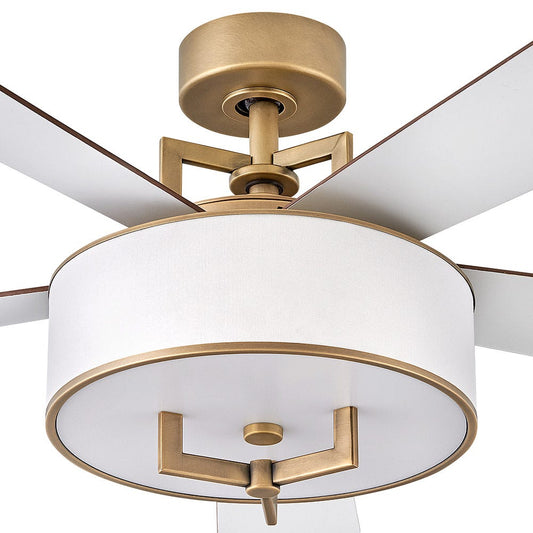
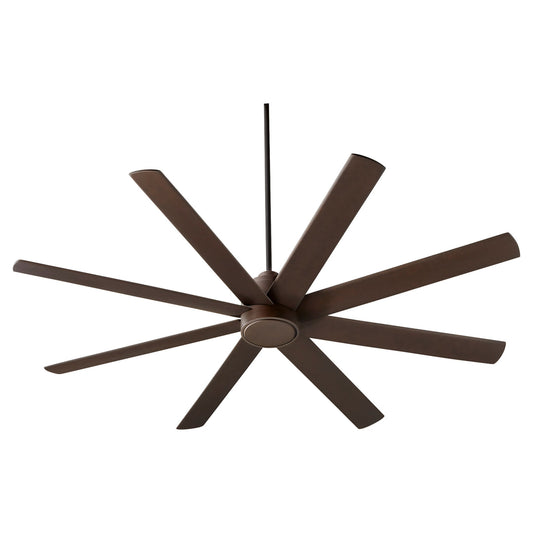
Premium options, like the sleek Artemis XL5 or the robust Aviation fan, offer that perfect blend of stunning design and real, long-term savings on your energy bill.
Your Guide to Finding Local Energy-Efficient Ceiling Fans
Let's be honest, searching for "show me ceiling fans with energy-efficient ratings near me" usually dumps you into a frustrating mix of big-box stores with a tiny selection and a bunch of confusing technical jargon. This guide is here to cut through all that noise.
We want to arm you with the knowledge to find a premium fan that doesn't just cool your home, but actually makes it more comfortable and acts as a smart financial investment. Forget settling for whatever’s on the shelf. You can pinpoint high-performance models available right in your area, and we'll demystify the key metrics so you can stop guessing and start choosing with confidence.
Why a Local Search Matters
There's a huge benefit to focusing your search locally. You get to see, touch, and compare high-end models in person at specialty showrooms. It also gives you access to real expert advice from people who actually understand the specific climate and home styles in your region.
Plus, let's not forget the simple perk of buying locally: you often get your new fan much faster, without waiting around for long shipping times.
The goal isn't just to find any fan; it's to find the right fan. A truly energy-efficient model is a blend of smart engineering and sophisticated design that elevates a room while lowering your utility bills, month after month.
What You Will Learn in This Guide
Think of this guide as a clear roadmap to finding that perfect high-efficiency fan. You'll discover how to:
- Understand Key Ratings: We'll decode terms like CFM/W and what an ENERGY STAR certification really means for your wallet.
- Refine Your Search: Learn how to use specific search phrases and online tools from retailers like Fan Connection to filter for top-tier models.
- Match Fan to Room: Find out why size and placement are just as important as the motor for maximizing efficiency.
- Compare Premium Models: Confidently evaluate options priced at $300 and above, ensuring you invest in quality, durability, and style.
By the end, you'll be able to walk into any showroom or browse any site, ready to pick a ceiling fan that is both a beautiful design piece and an absolute powerhouse of efficiency.
Decoding the Efficiency Numbers That Actually Matter
When you start looking for an energy-efficient ceiling fan, you’re going to run into a blizzard of acronyms and ratings. It’s easy to get overwhelmed, but here’s the good news: you only need to understand two key metrics to become a savvy shopper.
Think of it like comparing cars. One car might have a huge, powerful engine, but if it gets terrible gas mileage, it’s going to cost you in the long run. The same logic applies here.
Airflow Power vs. True Efficiency
The first number you'll almost always see is CFM, which stands for Cubic Feet per Minute. This is a straightforward measure of raw power—it tells you exactly how much air the fan can move. A higher CFM means more airflow, which is perfect for larger rooms or spaces that tend to get stuffy.
But power alone doesn't tell the whole story. The real hero here is CFM/W, or CFM per Watt. This is the true efficiency rating. It reveals how much airflow (CFM) you get for every single watt of electricity the fan consumes. A fan with a high CFM/W number is an energy-sipping champion, delivering a powerful breeze with minimal impact on your utility bill.
This infographic breaks down the core metrics to keep in mind.
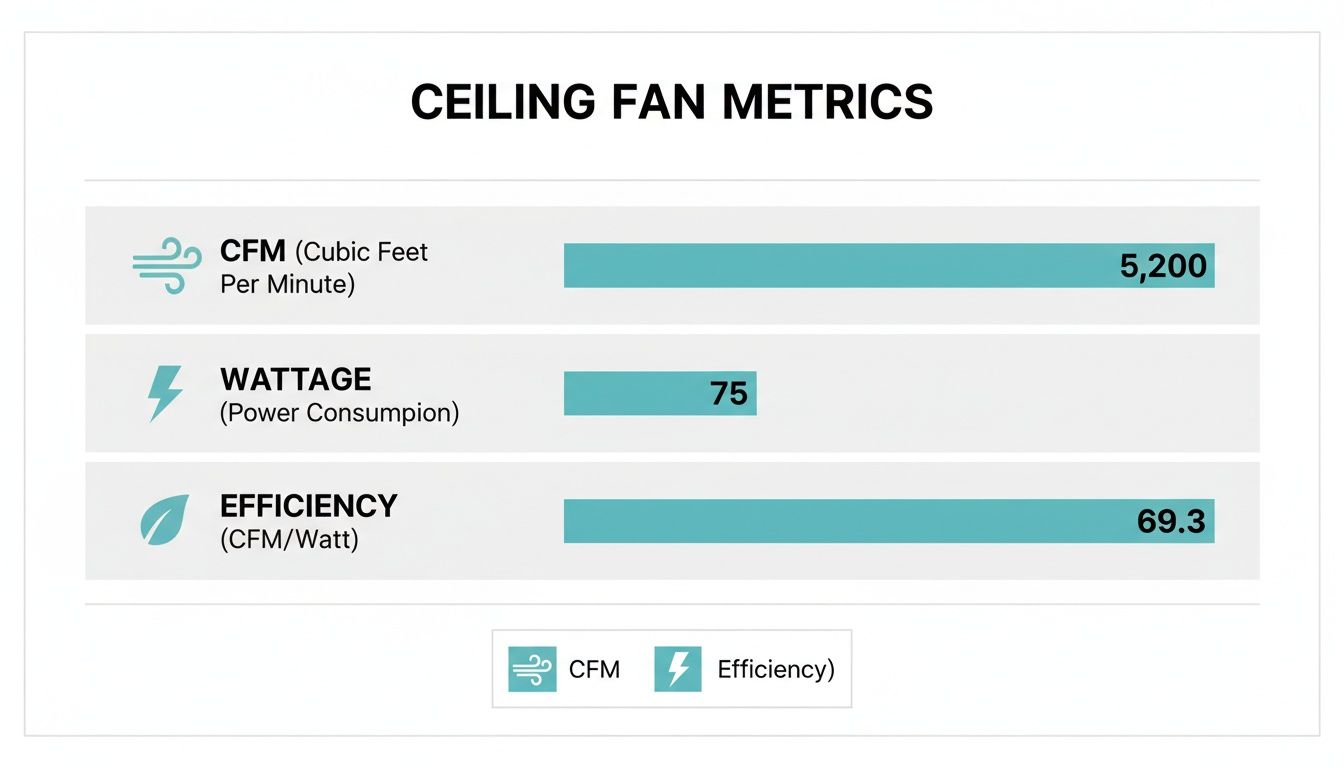
As you can see, the relationship between these numbers is what really determines a fan's real-world performance and long-term cost.
The DC Motor Difference
So, what’s the magic behind today's most efficient fans? It all comes down to the shift from old-school AC (alternating current) motors to modern DC (direct current) motors. The difference in energy consumption is just dramatic. An older AC fan might pull 75 watts or more just to run on medium speed, often with a noticeable hum.
In stark contrast, a premium DC motor fan can achieve the same—or even better—airflow while using as little as 10 to 30 watts. The numbers don't lie; modern DC fans can deliver energy savings of 40–70% compared to their AC counterparts. It's a huge leap forward in technology.
A fan's price tag tells you what you pay today. Its CFM/W rating tells you what you’ll save for years to come. High-efficiency models are an investment in lower energy bills and superior comfort.
This is why it’s so important to look beyond the initial price, especially for a fan over $300. You're not just buying a fixture; you're investing in advanced motor technology that pays you back month after month.
If you want to go a bit deeper, you can learn more about energy-efficient ceiling fans in our detailed guide. Understanding these ratings empowers you to compare models based on long-term performance, not just the upfront cost.
How To Find The Right High-Efficiency Fan Nearby
Let’s be honest, just typing "ceiling fans near me" into Google is going to give you a ton of noise. To find the really good stuff—the premium, high-efficiency models that make a real difference—you have to get a little smarter with your search. The best fans are usually found when you know what to ask for.
Instead of a generic search, try something more specific. Think like an expert. Searching for "ENERGY STAR ceiling fans in [Your City]" or "local DC motor fan dealers" immediately cuts through the clutter. These kinds of queries tell search engines you’re serious, pointing you toward specialty retailers who actually care about performance and design.
Using Website Filters Like a Pro
Once you land on a quality retailer’s website, like ours at Fan Connection, don't just scroll through the pretty pictures. The real magic is in the filtering options. This is where you can go from hundreds of choices to a handful of perfect ones in just a few clicks.
Here are the filters I always tell people to focus on first:
- Motor Type: This one’s a no-brainer. Always select DC Motor. It's the single best way to guarantee you're looking at the most energy-efficient, quietest fans on the market.
- Smart Features: Want a fan you can control with your phone or voice assistant? Look for a filter like "Smart Fan" or "Wi-Fi Enabled." It’s a game-changer for convenience.
- Exclusive Collections: If you have a specific look in mind, filtering by collection can be a huge help. For example, you can zero in on the modern Artiste collection or the more industrial Chisel series to quickly find a style that fits your room.
Using these filters isn't just about shopping; it's about curating a shortlist of fans that actually meet your standards for both style and efficiency.
Don't Forget the Old-School Phone Call
In a digital world, it’s easy to forget how valuable a quick phone call can be. Most manufacturer websites have a "store locator" tool that will point you to authorized local dealers—places you might have never found online.
I can't tell you how many times a customer has found their perfect fan by calling a local showroom. These shops often have premium inventory that never even makes it onto their website. You get to talk to a real person who can give you advice you’d never get from a search engine.
This direct approach is one of the best ways to discover the best ceiling fan stores near you. You get instant answers on what's in stock, how a fan really performs, and what will work best in your space.
This local-first strategy works for more than just fans, by the way. For other home upgrades, you can even explore guides on finding local air exchanger installation services using the same tactics. When you take control of your search, you put yourself in the best position to find exactly what you need.
Matching the Right High-Efficiency Fan to Your Room
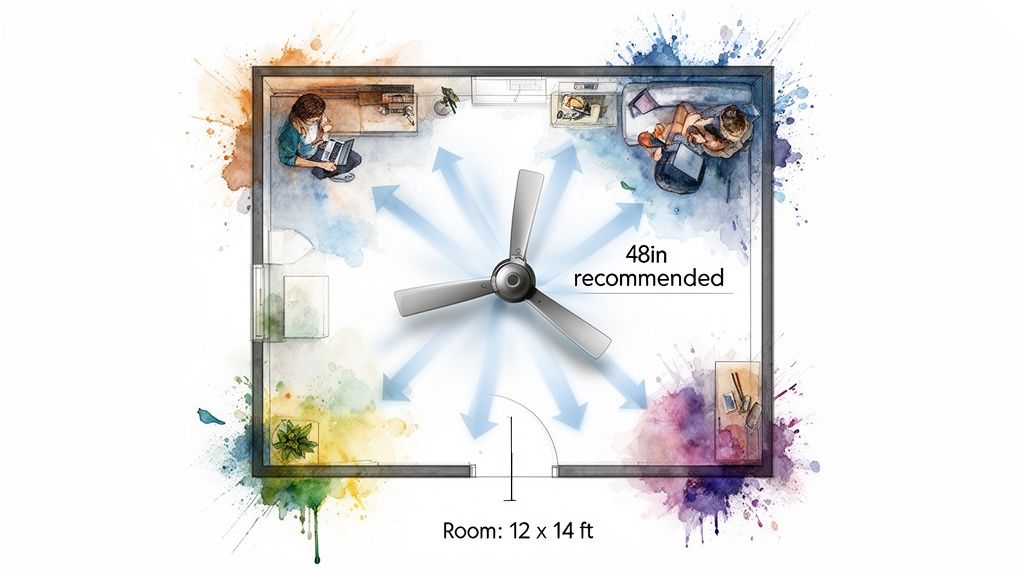
You’ve figured out how to search for a fan and you know what the efficiency ratings mean. Great! But all that research goes right out the window if you pick the wrong fan for your space.
Putting a small fan with an efficient DC motor in a huge room is like trying to cool a house with a tiny window AC unit. It’ll just spin its heart out on the highest setting, gobbling up electricity without ever really cooling you down.
On the flip side, an enormous fan in a small room is just as bad—it creates an annoying, hurricane-like gust every time it spins. Getting the size right isn't just a friendly suggestion; it's the key to unlocking the comfort and energy savings you're after. The goal is simple: match the fan's blade span to the room's square footage for the best possible air circulation.
Getting the Blade Span Just Right
Think of a fan's blade span as its "air footprint." Longer blades are designed to move a big column of air gently and broadly, while shorter blades are better for focused airflow in a smaller area. When you choose correctly, the fan works smarter, not harder.
Here’s a quick-and-dirty guide to follow:
- Small Rooms (Up to 75 sq. ft.): For spots like bathrooms, laundry rooms, or walk-in closets, look for a fan with a 29 to 36-inch blade span.
- Medium Rooms (75 – 175 sq. ft.): This is the sweet spot for most bedrooms and home offices. A fan with a 42 to 48-inch blade span is what you need.
- Large Rooms (Over 175 sq. ft.): In living rooms, great rooms, and open-concept spaces, you’ll want a fan with a blade span of 52 inches or more to really get the air moving.
Proper sizing is the unsung hero of energy efficiency. A perfectly sized fan moves air effortlessly, allowing it to run at lower, energy-saving speeds while still keeping you comfortable.
Features That Maximize Year-Round Savings
Beyond just the size, a few key features can turn a good fan into a great investment. The most important one is a reversible DC motor. This lets you change the blade direction with the flip of a switch—counterclockwise in the summer to push cool air down, and clockwise in the winter to pull warm air down from the ceiling. It’s a simple trick that helps your HVAC system work less, saving you money all year long.
Premium models like the sleek Aerovon or the versatile Axis are fantastic examples of fans built for year-round performance. To see more top-tier options, check out our guide on the best DC motor ceiling fans.
Also, keep an eye out for fans with integrated LED lighting. Modern LEDs use a tiny fraction of the electricity that old incandescent bulbs did, and they last for years. It's another easy layer of savings. And when you add smart home compatibility—letting you schedule when the fan runs or control it from your phone—you create a truly optimized system that nails both comfort and efficiency.
How to Compare Premium Models and Make Your Final Choice
You’ve done the legwork, narrowed down your local options, and now you’re looking at a handful of fantastic, highly-efficient ceiling fans. This is the fun part! Now it's time to move past the raw efficiency numbers and get into the details that separate a good fan from a great one, especially when you’re looking at models priced $300 and up.
This final decision is all about matching the fan's unique personality to your lifestyle. It’s not just about moving air anymore; it's about crafting the perfect atmosphere for your room. A fan is more than a utility—it’s a central design element that should work for you.
A Tale of Two Rooms
Let's walk through a real-world scenario. Say you’re torn between two excellent models for different spaces in your home.
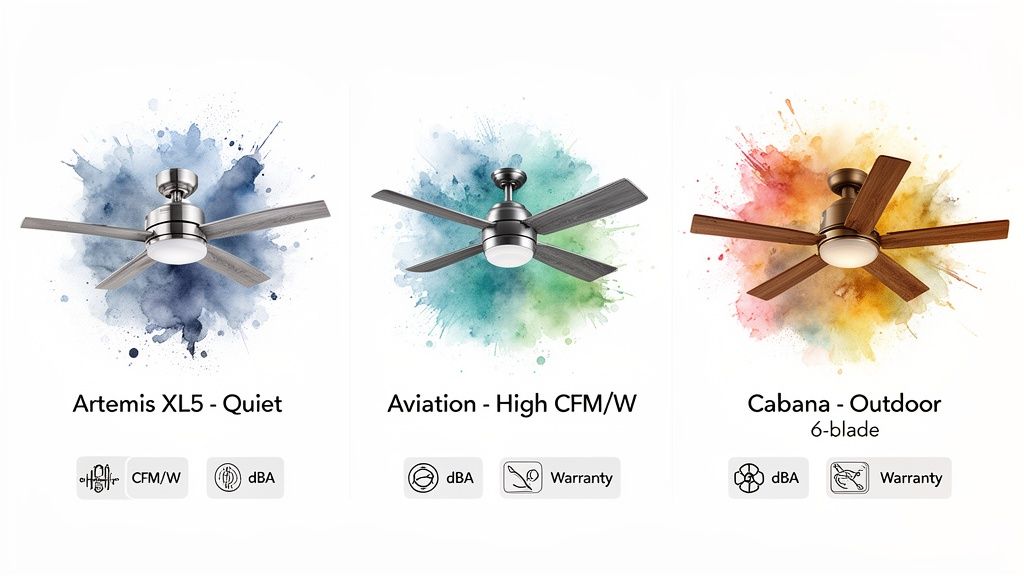
- For the Living Room: You're considering the Artemis XL5, a minimalist 3-blade fan known for its sculptural design and whisper-quiet operation. It’s the perfect fit for a contemporary space where you want a comfortable breeze without any distracting noise during movie night.
- For the Covered Patio: Your other choice is the Cabana, a damp-rated, 6-blade tropical fan. This one is built to handle humidity and move a massive amount of air, creating a resort-like breeze while helping keep bugs away on summer evenings.
Both are incredibly efficient, but they serve completely different purposes. The Artemis XL5 prioritizes quiet aesthetics, while the Cabana is a rugged airflow machine. This is where you have to think about how you actually use the space from day to day.
Digging Into the Finer Details
Once you have your top contenders, it's time to look closer and examine the specs that truly separate the good from the great. These are the details that often justify the investment in a premium fan.
Here’s a quick checklist to help you compare:
| Feature | What to Look For | Why It Matters |
|---|---|---|
| Noise Level (dBA) | A low decibel (dBA) rating, especially at medium speeds. | A quiet fan creates a peaceful environment, which is non-negotiable for bedrooms and living areas. |
| Warranty | A lifetime or long-term motor warranty. | This shows the manufacturer’s confidence in their product’s durability and is a key sign of a quality build. |
| Material Quality | Solid wood blades, die-cast aluminum, or heavy-gauge steel. | Premium materials don't just look better; they prevent warping and rattling over time, ensuring a longer lifespan. |
| Control Options | Multi-speed remote, wall control, or smart-home compatibility. | Modern controls offer convenience and let you dial in the perfect comfort level with precise adjustments. |
A premium fan isn't just about the motor inside it. It's the sum of its parts—the silent performance, the robust materials, and the confidence of a strong warranty. These elements create lasting value.
Interestingly, the demand for these premium features can vary a lot by region. North America, for instance, is a strong market for high-end fans with smart features and designer finishes. This demand shapes what you'll find when you search locally, as dealers are more likely to stock the advanced models that homeowners and designers are actively looking for.
Choosing your final fan comes down to trusting your research and your gut. By weighing these final factors, you can confidently pick the perfect model from a trusted local retailer, knowing you’ve made a smart, stylish, and efficient investment for your home.
Common Questions About Finding Energy-Efficient Fans
When you're on the hunt for a high-performance ceiling fan, a few questions always seem to pop up, especially when you're trying to find the best energy-efficient models nearby. Let's clear the air and talk about what really matters.
Are DC Motor Ceiling Fans Really Worth the Higher Price?
In a word, yes. It's easy to balk at the higher initial price of a DC motor fan, but the long-term savings are where the real story is. A DC motor fan can be up to 70% more energy-efficient than your standard AC fan, and that difference shows up directly on your monthly electric bill.
But the benefits don't stop at savings. DC motors are practically silent, give you more precise control with multiple speed settings, and usually come with a simple remote that lets you reverse the blade direction for year-round use. When you look at premium models like the Bola or Breeze, you’re seeing a perfect example of superior technology that delivers value far beyond its price tag.
How Important Is the ENERGY STAR Label for a Ceiling Fan?
Think of the ENERGY STAR label as your shortcut to guaranteed performance. It’s not just a sticker—it's a certification from the U.S. Environmental Protection Agency (EPA) that's only awarded to products that meet some seriously strict criteria.
To earn that label, fans have to be about 60% more efficient than conventional models. It’s the easiest way to spot a fan that an independent body has verified will save you money and energy without skimping on performance. It takes all the guesswork out of finding a genuinely efficient model.
An ENERGY STAR certification instantly tells you that a fan is engineered for maximum airflow with minimal electricity use. It’s a seal of approval you can trust.
What Should I Budget for a Good Energy-Efficient Ceiling Fan?
For a fan that's going to be durable, quiet, and truly energy-efficient, you should plan on investing $300 or more. It can be tempting to grab a cheaper option off the shelf, but those lower-priced models almost always use older AC motor technology, are built with lesser materials, and can end up being noisy and wobbly.
When you invest in a quality model from a trusted brand, you’re getting more than just a fan. You’re getting:
- A powerful and whisper-quiet DC motor.
- Superior craftsmanship and materials that are built to last.
- A better warranty for peace of mind.
- Advanced features like smart home integration.
It's a long-term investment in your home's comfort, style, and energy savings.
Why Do Global Market Trends Matter for My Local Search?
Believe it or not, what's happening globally has a direct impact on the fans you'll find in your local showroom. There's a huge worldwide push for energy efficiency, and that's driving manufacturers to innovate with better DC motors and smart technology.
This means that specialty retailers are stocking their shelves with these high-performance models because they know that's what savvy homeowners, designers, and contractors are looking for. So, when you search for "ceiling fans with energy-efficient ratings near me," you’re directly benefiting from this global shift toward better, more sustainable products. And if you’re looking to save even more, you might be interested in other proven HVAC and energy tips to lower electric bills, especially when the seasons change.
Ready to find a fan that combines flawless style with incredible performance? At Fan Connection, we’ve curated a collection of the industry's best energy-efficient fans to make your choice simple. Explore our collections and upgrade your home’s comfort today at https://www.fanandlights.com.


