

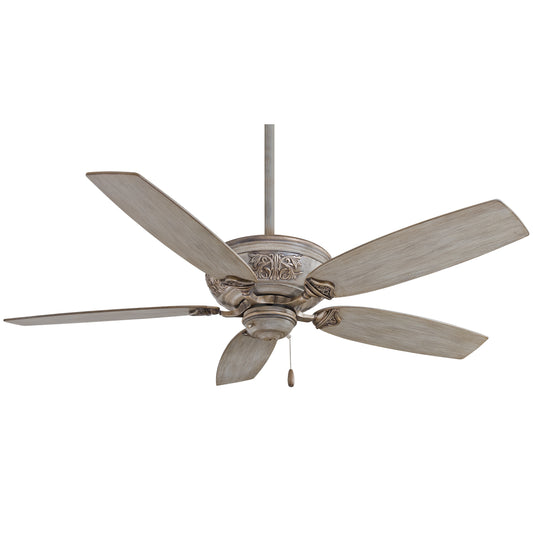

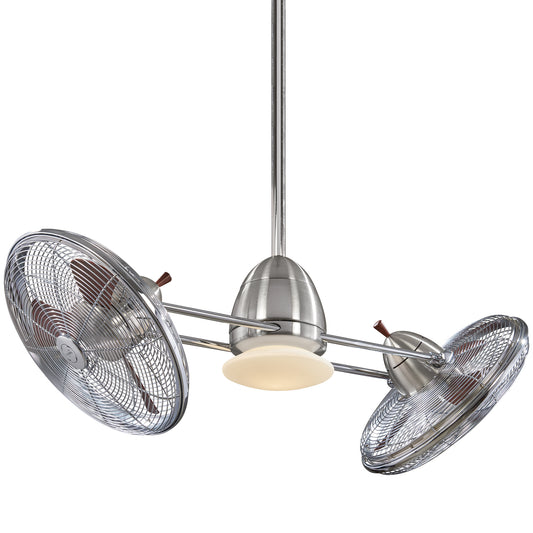

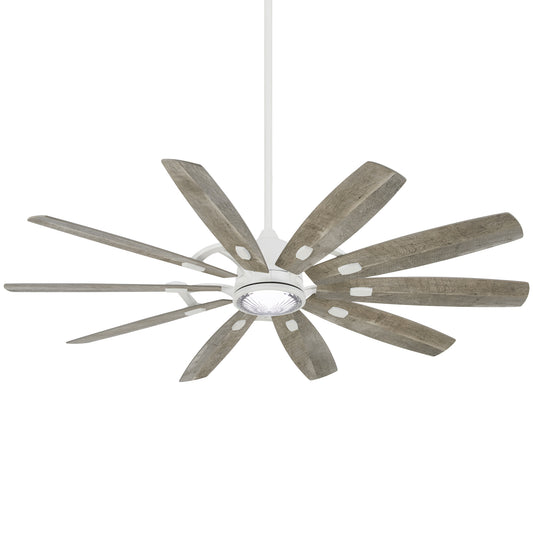

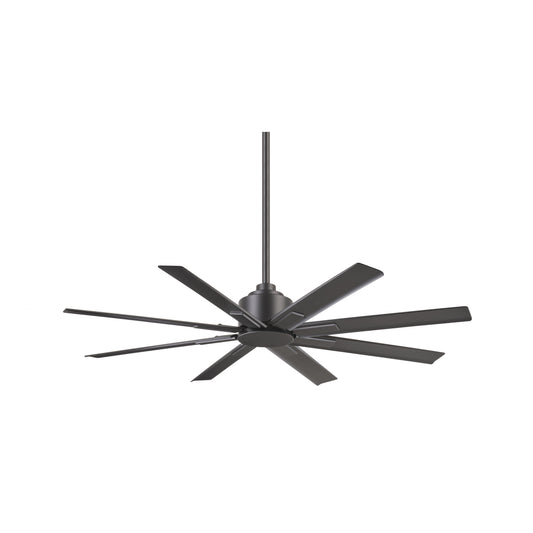







A Homeowner's Guide to Ceiling Fans With Lights and Remote
Picture this: you’re settled on the couch for the night, but the room feels just a little too stuffy. Instead of getting up to fiddle with a pull chain, you just reach for a remote. That’s the simple, everyday luxury that ceiling fans with lights and remote bring to your home.
These fixtures have come a long way. They’ve gone from being basic, functional appliances to genuine centerpieces that combine style, light, and convenience into one sleek package, all while saving energy and cutting down on clutter. Get ready to have some fun exploring the world of premium fans!
The Smart Upgrade Your Home Is Waiting For
Let’s be honest, the old-school ceiling fan—the wobbly, noisy one with the dangling pull chains—doesn’t exactly scream “modern living.” Today’s ceiling fans with lights and remotes are a completely different beast. They're designed to be the hub of a room’s comfort, giving you total control over both the breeze and the lighting with a single click.
This isn’t just a passing trend, either. The global market for ceiling fans with lights is absolutely booming, valued at a massive $28.65 billion in 2025 and climbing. Homeowners everywhere are catching on, prioritizing energy-efficient upgrades that also look great and make life easier. The remote-controlled models are leading the charge.
Why Is This a Must-Have Upgrade?
Putting a high-quality ceiling fan in your home is about so much more than just moving air around. It’s a genuine quality-of-life improvement. Here are the biggest wins:
- Unified Control: No more juggling separate switches for the fan and the light. You can manage both airflow and illumination from one simple remote.
- Enhanced Comfort: Instantly adjust the fan speed or dim the lights to set the perfect mood. Go from a bright, productive workspace to a cozy movie night in seconds.
- Energy Efficiency: A modern fan can seriously cut down your cooling and heating bills. When you pair them with smart home systems, much like how smart thermostats manage a home's temperature, you create an incredibly efficient ecosystem.
- Streamlined Aesthetics: Combining two fixtures into one gives your ceiling a much cleaner, more minimalist look. It’s an easy way to get rid of visual clutter.
If you’re ready to really dig into connected home comfort, you’ll want to check out our selection of ceiling fans with smart home integration options. It’s the perfect resource for finding a high-end fan that blends cutting-edge tech with timeless style.
Choosing Your Fan's Control System
The real magic of a modern ceiling fan isn't just the blades or the light—it’s how you interact with it. We’ve come a long way from fumbling for a pull chain in the dark. Today's control systems are the brains behind the breeze, and figuring out which one is right for you is the key to unlocking a whole new level of convenience.
At its heart, the choice is all about how you want to command your comfort. The two classic remote types are Infrared (IR) and Radio Frequency (RF). An IR remote works just like your TV remote; you have to point it directly at the fan’s sensor for it to register the command. Simple, but it requires a clear line of sight.
Most quality remote-controlled fans these days, however, use an RF remote. Think of it more like your garage door opener. It uses radio waves, so it works right through walls and from much farther away. You don’t have to aim it at all, which is why it has become the go-to standard for its reliability and pure ease of use.
The Rise of Smart Wi-Fi Controls
While RF remotes are a fantastic upgrade, the latest step up is Wi-Fi and app integration. This is where your ceiling fan stops being just an appliance and becomes a true smart home device. Instead of being tied to a physical remote, you can control everything right from an app on your phone—or even just by speaking.
Imagine walking into a stuffy room and just saying, "Alexa, turn the fan on high," or using your phone to schedule the fan to start circulating air a few minutes before you get home. This isn't some futuristic dream; it's a feature available right now in many premium models that completely changes how you manage your home's climate.
This flowchart breaks down the decision, helping you find the right fan based on what you value most: style, comfort, or efficiency.

As you can see, whether your top priority is a fan that looks great, one that’s effortlessly easy to control, or a model that saves you money in the long run, there’s a modern fan that fits the bill.
Beyond Basic On and Off Commands
The numbers don't lie—homeowners are demanding smarter controls. The market for smart and remote-enabled fans is expanding three times faster than for basic, old-school models. This boom is fueled by the amazing convenience of smart home integration and the quiet power of efficient DC motors. It allows for features like dimming an LED light smoothly from 100% brightness all the way down to a soft 10% glow, all without getting up. You can discover more insights about these fan trends to see just how much they’re reshaping home comfort.
High-tech models like our premium Aerovon, which retails for over $300, are a perfect example of this shift. It’s about more than just on and off. Through an intuitive app, you can fine-tune multiple speed settings, adjust the light’s color temperature, and even set daily schedules. If you're weighing your options for wiring, you might find our guide on the right switch for a ceiling fan helpful. Ultimately, choosing a fan with advanced controls is an investment in a fixture that syncs perfectly with your lifestyle.
Finding the Perfect Lighting for Your Space

The light on a ceiling fan isn't just an afterthought—it's often the main source of light for the entire room. When you're picking out a ceiling fan with lights and a remote, you’re really choosing an appliance that does double duty. You’ll find two main options out there: sleek, integrated LEDs or classic fixtures that take traditional bulbs. Each one has its own way of setting the mood.
Integrated LED systems are built right into the fan itself, giving you a clean, seamless profile. But this isn't just about looks; it's about serious performance. A quality LED can run for an incredible 50,000 hours, which means you might go decades without ever thinking about changing a bulb. On top of that, they're incredibly efficient, using just a tiny fraction of the electricity of older bulbs.
The Power of Integrated LED Lighting
The real magic of integrated LEDs is the control you get with your remote. The best models go way beyond just turning the light on and off. You get a whole suite of features that let you dial in the perfect atmosphere for any situation.
- Adjustable Color Temperature: With a tap of a button, you can shift the light’s color. Go from a warm, cozy 3000K that’s perfect for winding down at night to a crisp, bright 6000K that mimics daylight—ideal for working from home or cleaning.
- Full-Range Dimming: This lets you set the exact brightness you need. Go from 100% full blast for reading down to a subtle 10% glow when you’re watching a movie.
Take our 'Apex' model, a premium fan over $300. It's a fantastic example of this technology in action. Its slim, built-in light is perfect for a modern living room, delivering powerful, adaptable light without adding any visual clutter. It’s the definition of clean and simple.
The Charm of Traditional Bulb Fixtures
Of course, sometimes a room just calls for the character of a classic light bulb. Ceiling fans designed with standard sockets give you the freedom to make it your own. If you’re going for an industrial vibe, you can pop in a few vintage-style Edison bulbs. If you want a softer, more traditional feel, a set of frosted bulbs will get you there.
This flexibility is what it's all about. It lets you match the fan’s light to other lamps and fixtures in the room, creating one cohesive look. You're personalizing your space down to the smallest detail.
The 'Barn' fan, another great choice in the over-$300 range, really nails this. Its rustic design is a perfect match for exposed Edison bulbs, which cast a warm, welcoming light that’s right at home in a farmhouse kitchen or a cozy den. You might not get the high-tech color-tuning of an LED, but you get total control over the style of the bulb itself. If you want to dig deeper, you can explore all the different kinds of light kits for ceiling fans out there.
At the end of the day, the choice between an integrated LED and traditional bulbs really comes down to what you value most. Are you looking for modern convenience and set-it-and-forget-it efficiency? Or is custom style and timeless charm more your speed? Either way, you'll find a fan that fits the bill perfectly.
How AC and DC Motors Impact Performance
When you’re picking out a ceiling fan with lights and a remote, it’s easy to focus on the style. But beneath the blades, you’re also choosing its engine—and that motor is one of the biggest factors in your fan’s performance, noise level, and running cost over time.
For a long time, almost every ceiling fan on the market ran on an AC (Alternating Current) motor. These are the classic workhorses of the fan world—they get the job done and are incredibly reliable. But technology has moved on, bringing a much smarter, more efficient alternative to the table: the DC (Direct Current) motor.
Think of it like comparing a standard car engine to a modern hybrid. The AC motor is dependable and will get you where you need to go. But the DC motor is a whole different beast—it's lighter, quieter, and offers a level of control and efficiency that older AC motors just can't touch.
AC vs DC Motor Ceiling Fans at a Glance
To make the choice crystal clear, let's break down the key differences between traditional AC motors and modern DC motors. This will help you see why we almost always recommend a DC motor for the best performance and long-term value in your home.
| Feature | AC Motor Fans | DC Motor Fans (Recommended) |
|---|---|---|
| Energy Efficiency | Standard efficiency; uses more power. | Highly efficient; uses up to 70% less energy. |
| Noise Level | Audible hum, especially at higher speeds. | Virtually silent, perfect for quiet spaces. |
| Speed Control | Typically 3 speed settings. | Usually 6 or more speeds for precise control. |
| Reverse Function | Manual switch on the fan housing. | Conveniently controlled from the remote. |
| Size & Weight | Larger and heavier. | More compact and lightweight. |
| Cost | Generally lower initial purchase price. | Higher initial cost, but lower running costs. |
As you can see, while AC fans might seem cheaper upfront, a DC fan is a smarter investment in the long run. The energy savings, quiet operation, and superior control make it the clear winner for anyone looking for a high-quality, modern ceiling fan.
The Clear Advantages of DC Motors
Choosing a fan with a DC motor isn't just a minor upgrade; it's a smart investment in your home's comfort, especially for a fixture you'll use for years. These motors work by converting your home's AC power into DC power, which unlocks some serious perks.
This advanced technology is exactly why DC motors are becoming the new gold standard. In a world where energy efficiency is king, a fan with a Brushless DC motor and integrated LED lights can slash energy use by up to 70%. That’s why the market is projected to hit $18.1 billion by 2035—homeowners are realizing that switching can save them $50-100 on utility bills every single year. You can see the data behind these market trends for yourself.
The benefits are impossible to ignore:
- Whisper-Quiet Operation: DC motors are practically silent. This makes them an absolute dream for bedrooms, nurseries, and home offices where you need peace and quiet.
- Serious Energy Savings: They use significantly less electricity. That translates directly to lower energy bills, month after month.
- More Speed Options: A typical AC fan gives you three speeds. A DC fan often comes with six or more, letting you dial in the perfect amount of airflow.
- Reverse from the Remote: No more climbing on a ladder to flip a switch. With a DC motor, you can change the fan's direction with the press of a button to help circulate warm air in the winter.
What to Look for in a High-Efficiency Fan
When you're shopping, keep an eye out for fans with an ENERGY STAR certification. This is the official government-backed seal for energy efficiency, and it means the fan meets strict criteria for both performance and savings.
An ENERGY STAR certified ceiling fan with a DC motor is the absolute best-in-class for efficiency. It moves more air while using less power, which is great for your wallet and the planet.
Our 'Breeze' fan, a premium model priced over $300, is the perfect example of this in action. It packs a powerful, ultra-efficient DC motor with a multi-speed remote, letting you fine-tune the airflow for maximum comfort with minimal energy use.
If you want to get into the nitty-gritty of the technology, our in-depth article on DC ceiling fans is a fantastic resource. By choosing a fan with a DC motor, you're not just buying a stylish fixture; you're making a savvy, long-term investment in your home's comfort and efficiency.
Sizing and Placing Your Fan for Optimal Airflow

When you're picking out a ceiling fan with a light and remote, it’s easy to get caught up in the style. But the real secret to that perfect, refreshing breeze comes down to two things: size and placement. Get either one wrong, and you’ll end up with a fan that’s either disappointingly weak or unpleasantly strong.
Think of it this way: you wouldn't put tiny bookshelf speakers in a massive concert hall and expect great sound. The same logic applies to ceiling fans. To move air effectively, the fan's blade span has to be just right for the room's square footage.
Matching Your Fan to Your Room
The most important number to know is the fan's blade span—that’s the full diameter the blades make when they spin. This one measurement tells you how much air the fan can really move. A simple rule of thumb makes it easy to match the right fan to your space.
- Small Rooms (Up to 150 sq. ft.): For cozier spots like home offices, laundry rooms, or small bedrooms, you’ll want a fan with a blade span under 44 inches.
- Medium Rooms (150–300 sq. ft.): This is the sweet spot for most standard bedrooms and living rooms. A fan between 44 to 52 inches will deliver fantastic airflow.
- Large Rooms (Over 300 sq. ft.): If you’re working with a great room, an open-concept living area, or high vaulted ceilings, go big with a blade span of 52 inches or more.
Getting the Placement Just Right
Once you've got the size sorted, where you hang it is the final piece of the puzzle. Proper placement is all about circulating air efficiently and safely. The goal is to get the fan as close to the center of the room as you can.
We’ve found the sweet spot for mounting height is having the fan blades 7 to 9 feet above the floor. This creates the perfect column of air that circulates through the entire room, maximizing your comfort.
You’ll also want to make sure there are at least 18 inches of breathing room between the blade tips and any nearby walls or curtains. Anything closer can block the airflow and reduce the fan's effectiveness.
If you’re looking to make a real statement in a larger space, a model like the Artemis XL5, with its impressive design and price point over $300, is a great example of how a well-placed, large-scale fan can become the room’s centerpiece. For a deeper dive, our comprehensive ceiling fan size guide has even more tips and tricks.
Shop Premium Fan Styles and Designs
Alright, we’ve covered the technical side—the motors, lighting, and remote controls. Now for the fun part: picking a fan that not only works like a dream but also looks incredible doing it. A ceiling fan isn’t just an appliance; it’s a centerpiece that can define a room’s entire vibe.
At Fan & Lights, we've hand-picked a collection of premium fans, all starting at $300 and up, to make sure you find a model that truly makes a statement. Let’s dive into a couple of our standout designs.
The Artiste Modern Marvel
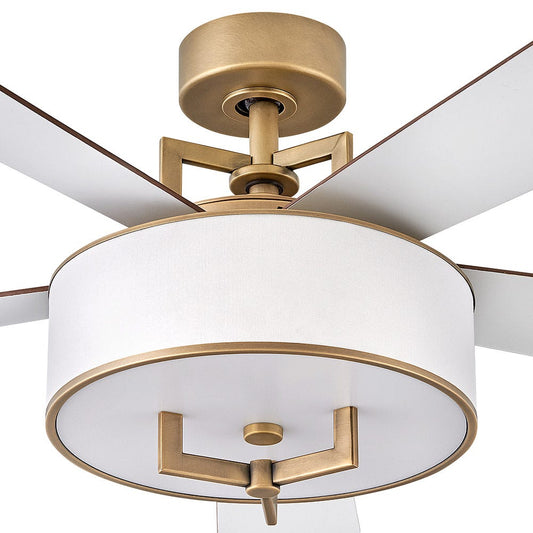
If your taste leans toward clean lines and understated elegance, the Artiste is a true masterpiece of modern design. Its sleek, minimalist profile just melts into contemporary spaces, creating a look that’s both sophisticated and effortlessly cool. But the Artiste isn't just a pretty face; it’s engineered to perform.
- Key Features: It’s built with a whisper-quiet DC motor, so your peace and quiet is never compromised. The integrated LED is fully dimmable, and you can even adjust the light’s color temperature with the included remote.
- Ideal Room: This fan is a perfect match for a modern living room, a minimalist master bedroom, or a chic home office where style and function need to walk hand-in-hand.
Bring a touch of refined modernism to your home and explore the Artiste Collection.
The Chisel Bold and Industrial
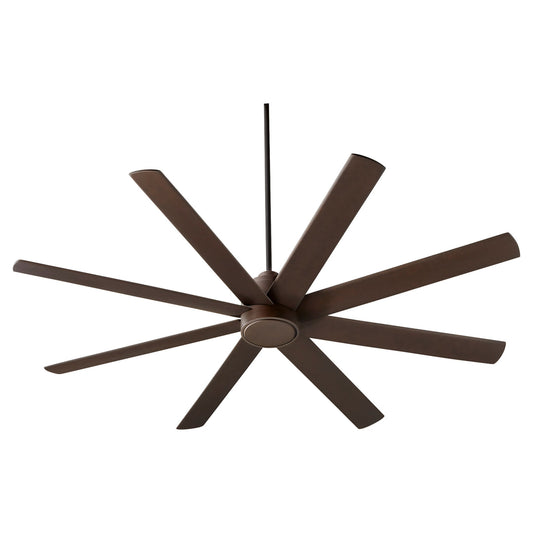
Looking for something more dramatic? The Chisel fan was made to command attention. With strong, architectural lines and an industrial-inspired aesthetic, this fan brings a raw but refined energy to any room. It’s a functional work of art that feels both powerful and purposeful.
The Chisel perfectly blends a raw-cut look with polished engineering. This is a fan that doesn't just cool a room—it owns it, making it the right choice for spaces designed to leave an impression.
It’s a guaranteed conversation starter.
- Key Features: Like our other premium models, the Chisel runs on an efficient DC motor and comes with a multi-speed remote. Its robust build is matched by a powerful, integrated light kit that easily brightens up even large spaces.
- Ideal Room: This fan absolutely shines in loft apartments with high ceilings, industrial-style kitchens, or any great room where you want to make a bold design statement.
Discover the striking presence of the Chisel Collection and give your decor an industrial edge.
When you shop with Fan & Lights, you’re not just buying a fan; you’re investing in top-tier quality and style. Our checkout is simple and secure, with trusted payment options like Visa and Apple Pay. Ready to find your perfect match? Explore our full collection and upgrade your home today.
Frequently Asked Questions About Ceiling Fans
It’s completely normal to have a few questions before you commit to a new ceiling fan. After all, it's an important addition to your home. We've gathered some of the most common questions we hear from customers to clear up any lingering doubts and help you choose with confidence.
Can I Install a Ceiling Fan Myself?
This is probably the number one question we get. While many of our fans are designed with confident DIY-ers in mind—some can even be installed in under 20 minutes with the right tools—we always lean on the side of caution.
When you're dealing with anything electrical, safety comes first. For total peace of mind and a guaranteed perfect installation, we strongly recommend hiring a licensed electrician. For any complex setups or if you're uncertain about the wiring, it's always best to call in reliable professional electrical services. They’ll make sure your fan is secure, perfectly balanced, and up to code, protecting both your home and your new fan.
What Happens if I Lose the Remote Control?
Losing the remote is a classic fear, but don't worry—it’s not the end of the world! Many modern fans, especially our smart models, can be controlled straight from a smartphone app. You’ll have a backup control right in your pocket.
For fans that use a more traditional RF remote, we often have replacement units available. Just check the product details on our site or give our customer service team a call, and they can point you to the right replacement for your model.
Here's a pro tip: consider a fan that offers multiple control options right from the start. Models with both a physical remote and app control, like many of our premium fans over $300, give you the ultimate flexibility and peace of mind.
Are the Lights on These Fans Bright Enough?
That’s an excellent question, especially since a fan's light kit often serves as the main light source for an entire room. The short answer is yes, absolutely.
Many of our premium fans with integrated LED kits are incredibly bright and come with features like adjustable color temperature and dimming. They are more than capable of being the sole light source for a bedroom or even a medium-sized living room. To be certain, just look for the "lumens" rating in the product specs—it's the most accurate way to measure a light's true brightness.
Find the perfect blend of style, light, and convenience at Fan & Lights. Explore our curated collections and discover a fan that will transform your space.


