











Top Guide: Companies That Provide Ceiling Fan Replacement Parts and Repair Services
That annoying wobble, a persistent hum, or a fan that just flat-out refuses to spin—these common headaches don't always signal the end of the line for your trusty ceiling fan. In fact, a whole network of companies provide ceiling fan replacement parts and repair services, offering a much more affordable path back to a comfortable room. From specialized online shops to your local electrician, help is closer than you think. Let's dive in and have some fun bringing your fan back to life!
Your Essential Guide to Ceiling Fan Parts and Repairs

Before you start wrestling that fan off the ceiling and dragging it to the curb, let's talk about what might really be wrong. Most of the time, fan failures trace back to a single, surprisingly cheap component. A fan that won't turn on at all? It could just be a bad capacitor—the little part that gives the motor the "kick" it needs to get going. That’s a quick, easy, and inexpensive fix.
This guide is here to walk you through the entire repair process, whether you're a seasoned DIYer or someone who would rather just call in a pro. We’ll cover everything from figuring out what's wrong—is it just a broken pull chain, or something more serious inside the motor?—to getting it fixed.
Understanding the Repair vs. Replace Dilemma
So, do you fix the fan you have or just buy a new one? It really boils down to the cost and how complicated the job is. Here's a simple way to think about it:
- Simple Repairs: Things like a busted pull chain, wobbly blades that just need a balancing kit, or a buzzing noise that a new capacitor will fix are perfect for a weekend DIY project. The parts are cheap, and the work isn't too tough.
- Complex Repairs: If the motor itself is fried or you're looking at major electrical issues, the cost of parts and a professional's time can start to creep up. In those situations, a brand-new fan is often the smarter financial move.
- Aesthetic Upgrades: Let's be honest, sometimes a repair is totally possible, but the fan is just… ugly and outdated. This is the perfect excuse to upgrade to a more modern, efficient, and stylish model that actually fits your room.
As a general rule of thumb, if the repair cost is looking like it’ll be more than 50% of the price of a new, similar fan, it's probably time to just replace it. Plus, a new fan often comes with perks like better energy efficiency and even smart home controls.
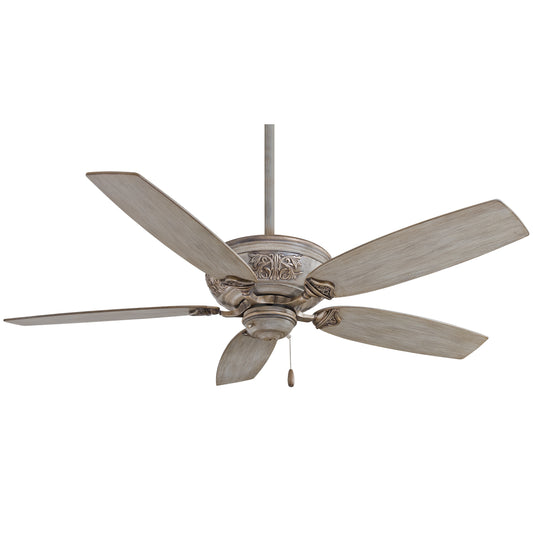
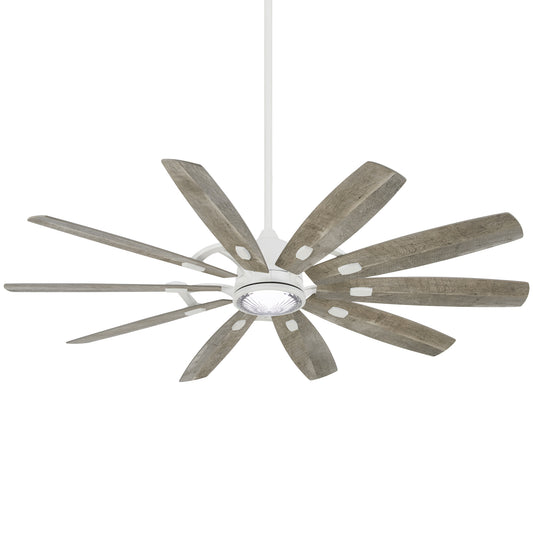
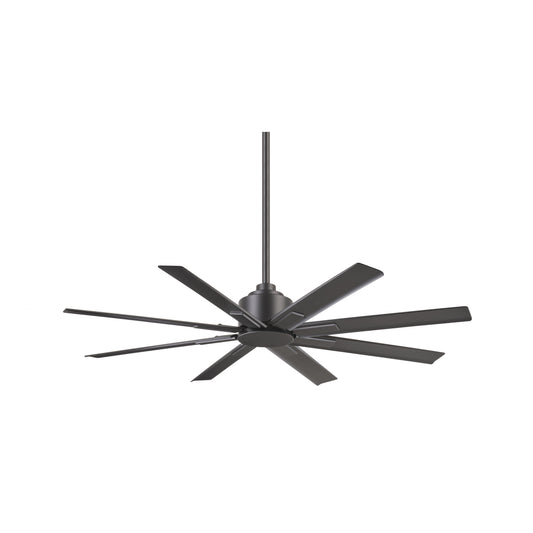
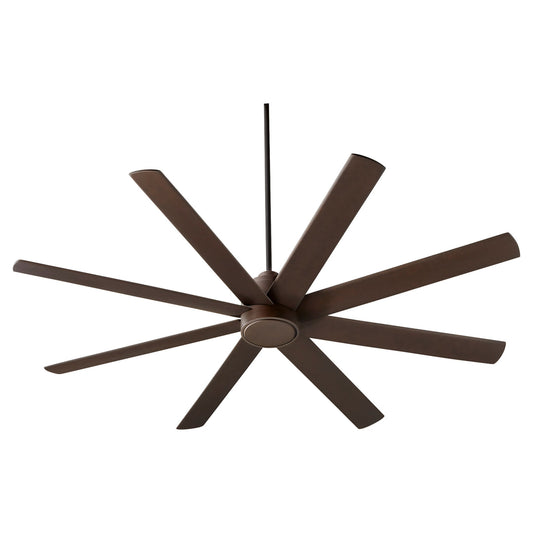
For those ready to make a serious upgrade, looking at premium options can completely transform a space. For instance, the Artemis IV collection from Minka-Aire, with some models over $700, brings sculptural design and whisper-quiet power. Or check out the bold, industrial look of the Aviation collection, where fans often go for over $450. This is where retailers like us really shine, offering both high-end fans and the expert advice you need to make the right choice for your home.
How to Find the Right Ceiling Fan Replacement Parts
Hunting down the exact replacement part for your ceiling fan can feel like a scavenger hunt, but it’s often simpler than you might think. Before you even start clicking around online, the first and most important step is identification. Your fan’s model number is the golden ticket to getting the right components, and it's usually hiding in plain sight.
First, a quick safety check: turn off the power to your fan at the circuit breaker. Once that's done, grab a sturdy ladder and look for a small sticker on top of the motor housing. This little label is your treasure map—it has the manufacturer's name, the model number, and other key specs. Snap a clear photo of it with your phone so you have all the info right at your fingertips.
Where to Begin Your Search
With your fan's model number in hand, you can officially start the search. The best place to kick things off is the original manufacturer's website. Most major brands have a "parts" or "support" section where you can plug in your model number and see a list of compatible components. Easy peasy.
But what if the manufacturer doesn't sell parts directly anymore, or your fan is an older, discontinued model? Don't worry, you're not out of luck. Your next best bet is a specialized online store. Shops like ours are experts in providing ceiling fan replacement parts and repair services support for a huge range of brands and models. We're pretty good at matching parts, even if all you have is a picture to go by.
This need for parts isn't just a niche problem. The residential sector makes up a whopping 75.77% of global ceiling fan demand. Considering a typical fan lasts 10 to 15 years, millions of homeowners are constantly looking for parts to keep their fans running. This steady demand means there's a strong market for components like motors, blades, and capacitors.
Common Parts That Wear Out
While a fan has a lot of moving pieces, a few usual suspects are more likely to fail than others.
Here's a quick rundown of what you might be looking for:
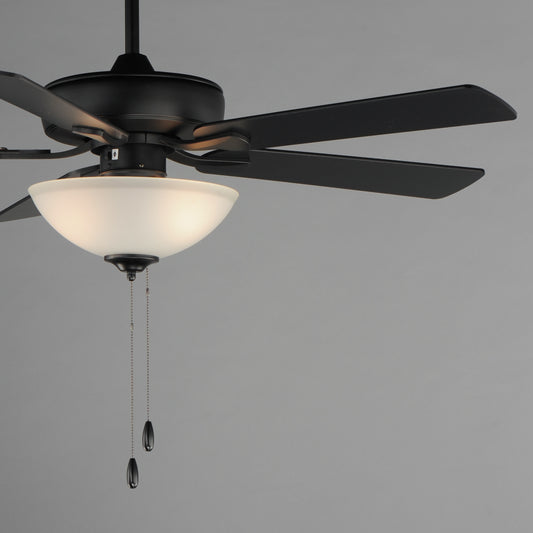
- Capacitors: This little boxy component acts like a battery, giving the motor a jolt to get it spinning and helping it switch speeds. A bad capacitor is one of the most common reasons a fan won't start or just runs sluggishly.
- Remote Receivers: If your remote suddenly stops working (and you've already tried fresh batteries), the receiver unit tucked inside the fan's canopy might be the culprit.
- Blade Arms (or Brackets): These are the metal arms connecting the blades to the motor. Over time, they can bend and cause a wobble, or even break if a blade gets hit.
- Pull Chains: The internal switch that the pull chain connects to can simply wear out from use, leaving you stuck on one speed or unable to turn the fan on or off.
To help you troubleshoot, here’s a quick guide to what might be wrong and the part you’ll likely need.
Diagnosing Common Ceiling Fan Issues and Finding Parts
This table helps you quickly identify common ceiling fan problems and the specific replacement part needed for the repair.
| Symptom | Likely Cause | Required Replacement Part | DIY Difficulty |
|---|---|---|---|
| Fan hums but won't spin | Bad capacitor | Capacitor | Easy |
| Stuck on one speed | Worn pull chain switch or bad capacitor | Pull Chain Switch or Capacitor | Easy to Moderate |
| Remote doesn't work (batteries are new) | Faulty remote receiver | Remote Control and Receiver Kit | Moderate |
| Fan wobbles excessively | Unbalanced or bent blade arms | Blade Arms (Brackets) | Moderate |
| Light kit won't turn on | Burned out light socket or faulty limiter | Light Socket or Wattage Limiter | Moderate |
Think of a capacitor as the 'jump-start' that gets your motor going. If it fails, the fan might just sit there and hum without ever starting to spin. Knowing what these parts do makes diagnosing the problem so much easier. If you think you're dealing with a bad capacitor, you can learn more about how to identify and replace a ceiling fan capacitor in our detailed guide.
When to Hire Professional Ceiling Fan Repair Services
Look, there’s nothing quite like the satisfaction of a good DIY fix. But when it comes to ceiling fans, some jobs are best left to the professionals. Knowing when to put down the tools and pick up the phone is the key to staying safe, getting the job done right, and protecting your fan.
So, when is it time to call in an expert?
Complex electrical work is at the very top of the list. If you see sparks, smell burning plastic, or have any reason to suspect faulty wiring in your wall switch or ceiling, that's a hard stop. Call a licensed electrician, period. The same goes for a motor that's completely seized up or making a horrible grinding noise—a full motor replacement is a tricky job that really needs a professional touch.
And don't forget about access. Is your fan hanging from a vaulted ceiling two stories up? Teetering on a tall, wobbly ladder is a recipe for disaster. Pros show up with the right equipment—sturdy ladders, scaffolding, and safety gear—to tackle those high-ceiling repairs safely and efficiently.
Finding and Vetting Qualified Pros
Once you've decided to hire out the job, the next challenge is finding the right person. You’re looking for someone with a solid reputation who knows their way around ceiling fan parts and repairs. A simple local search for licensed electricians or specialized fan repair technicians is a great place to start.
Not sure if your problem is a quick fix or a pro-level job? This decision tree can help you figure it out in a snap.

As you can see, a simple wobble is often something you can handle. But anything involving the motor or wiring is a clear signal to call in an expert.
When you start contacting potential pros, have a few questions ready to go:
- Are you licensed and insured? This is non-negotiable. It protects you from any liability if an accident happens on your property.
- Do you have experience with my fan's brand? It's not always a deal-breaker, but it’s a nice bonus if they already know your model inside and out.
- Can you give me a detailed, itemized quote? Always get it in writing to avoid any surprise charges down the line.
A good rule of thumb is to get at least three different quotes. It helps you find a fair price and gives you a feel for how different companies operate and communicate.
When weighing your options, look for companies that offer comprehensive professional electrical services for your home. You can also learn more about finding local fan repair services right here in our dedicated guide.
Professional repairs can run anywhere from $75 to over $350, all depending on how complex the job is. By knowing when to make that call, you're ensuring your fan gets fixed safely, which protects both your home and your peace of mind.
The DIY Approach to Common Ceiling Fan Repairs

Ready to roll up your sleeves and tackle that fan issue yourself? You’d be surprised how many common ceiling fan frustrations are simple to fix on your own, saving you both time and the cost of a service call. With a few basic tools and a bit of confidence, you can handle some of the most frequent problems that pop up.
But before you touch a single screw, let's talk safety. This is non-negotiable. Always, always shut off the power to your fan at the circuit breaker. This isn't just a friendly suggestion—it's the golden rule for any DIY project involving electricity.
Fixing a Broken Pull Chain
A pull chain that snaps or a switch that stops "clicking" is one of the easiest and most satisfying repairs you can make. The internal switch is just a simple gatekeeper for the electricity flowing to your fan. When it wears out, the gate gets stuck open or closed, and replacing it is pretty straightforward.
Here's what you'll need to get started:
- A new pull chain switch (make sure it's the right one for your fan)
- A flathead and a Phillips screwdriver
- Wire strippers/cutters
- A voltage tester (to be absolutely certain the power is off)
Once you've confirmed the power is dead, you’ll just need to open up the switch housing, carefully note how the old switch is wired, and connect the new one exactly the same way.
Pro Tip: Before you disconnect a single wire, snap a quick picture of the setup with your phone. It’s a simple trick that gives you a perfect visual roadmap and saves you from the headache of trying to remember which wire goes where.
Taming a Wobbly Fan
A wobbly ceiling fan is more than just a little distracting; it’s a red flag that something is out of balance. That wobble puts extra stress on the motor and all the mounting hardware, which can lead to bigger, more expensive problems down the line. Thankfully, the fix is usually just a matter of tightening and adjusting.
Start by checking that every single screw is tight—from the ones holding the blades to the blade arms, all the way up to the canopy cover at the ceiling. If a good tightening doesn't solve the wobble, a blade balancing kit is your new best friend. These kits are cheap and work by letting you add tiny weights to the lighter blades until everything is back in equilibrium. For a deeper dive, check out our guide on how to balance a ceiling fan.
Sometimes, though, the problem isn't balance but a bent or damaged part. In that case, you’ll need to find a company that provides ceiling fan replacement parts like new blade arms to get things running smoothly again. And if you're looking for an upgrade that eliminates wobble from day one, consider a premium model. The Aviation Collection features incredibly robust, precision-engineered fans starting at $399.95 that are built for smooth, powerful, and wobble-free airflow right out of the box.
Choosing a Premium Fan for a Stylish Upgrade
Look, sometimes a repair just isn't going to cut it. Maybe that old fan is hopelessly out of style, the motor has given up the ghost for good, or you're just ready for a fresh, modern look. These are all perfect reasons to think about a full replacement. Instead of just slapping a band-aid on an old problem, upgrading gives you the chance to invest in better performance, killer design, and quality that will last for years.
While plenty of companies can help you with parts and repairs, a brand-new, premium fan can completely change the vibe of a room. It stops being just a functional appliance and becomes a true centerpiece—a piece of airborne art that’s as beautiful as it is useful. This is where spending over $300 on a new model really starts to make sense.

Why Invest in a High-End Fan?
Let's be real: modern, high-end fans are engineered for a lot more than just pushing air around. They’re packed with features that genuinely improve your daily life and elevate your space. The difference is something you’ll notice right away, making the investment feel totally worth it.
- Ultra-Quiet DC Motors: Forget the annoying hum of old AC motors. Modern DC motors are whisper-quiet and up to 70% more energy-efficient. You get all the breeze with none of the buzz.
- Smart Home Integration: Many premium fans now sync up with smart home systems like Alexa or Google Assistant. You can control the speed, light, and even the direction with a simple voice command.
- Superior Airflow: Thanks to advanced blade designs and powerful motors, these fans deliver incredible airflow, measured in Cubic Feet per Minute (CFM). They can keep even large, open-concept rooms feeling cool and comfortable.
Think of it like upgrading from a flip phone to a smartphone. Sure, both make calls, but the smartphone offers a world of features you quickly realize you can’t live without. It’s the same jump when you move from a basic, wobbly fan to a premium model.
Finding Your Perfect Statement Piece
Now for the fun part: picking a design that actually reflects your style. The days of boring, cookie-cutter fans are over. Today’s options are sculptural, bold, and beautiful, with a fan to match any aesthetic you can dream of, from minimalist and industrial to breezy coastal chic.
For example, the Minka-Aire Artemis IV, with its flowing, sculptural blades and a price tag that often tops $700, is a perfect example of a fan that’s also a modern art installation. If you’re after a powerful, industrial look, the Aviation collection has robust, sleek designs starting around $400 that make a seriously bold statement.
Investing in a premium fan isn't just about replacing an old fixture; it's about upgrading your home's comfort, efficiency, and overall aesthetic. It’s a design choice that impacts how a room looks and feels every single day.
Ready to see what’s out there? Browsing curated collections makes it easy to find your perfect match. For a dramatic look with maximum airflow, check out the 6+ Blades collection. Or, if you're dreaming of a breezy, vacation-like vibe, the Tropical collection has stunning options that will transport you straight to paradise. To help you make the best choice, our comprehensive ceiling fan buying guide can walk you through all the important details.
Understanding the Market for Fan Parts and Services
You might be surprised to learn just how big the demand for ceiling fan repair is. It’s not just about a single wobbly fan in your living room; it's a massive, worldwide market. The sheer number of fans spinning in homes and businesses creates a constant, powerful need for companies that supply ceiling fan replacement parts and repair services.
Think about it: every new house, apartment, or office that’s built probably has several ceiling fans installed from day one. Each of those new fans is a future repair job waiting to happen. This creates a self-sustaining cycle where the market for parts and services grows right alongside the market for brand-new fans.
A Rapidly Expanding Industry
The global ceiling fan market is growing fast, with projections showing it will jump from USD 12.9 billion in 2023 to USD 18.1 billion by 2035. This isn't just about selling new fans—it creates a huge ripple effect for the aftermarket. As more fans get installed, the need for regular maintenance and genuine replacement parts naturally follows.
This trend is powered by more people investing in home renovations and is especially strong in the Asia-Pacific region, which makes up almost half of the global revenue. This big-picture view helps you see the real value in maintaining your fan. When something breaks, you're not alone; you’re part of a huge ecosystem built to keep these essential appliances running smoothly.
Why the Demand Stays Strong
Beyond new installations, the simple fact that fans last a long time keeps the repair market humming. A well-made ceiling fan can easily last over a decade, but some parts are bound to wear out along the way.
- Wear and Tear: Little components like pull chain switches and capacitors get used thousands of times. Eventually, they’re going to give out.
- Accidental Damage: A toy thrown in the air or a bump while moving furniture can easily bend a blade arm, creating an immediate need for a replacement.
- Cost Savings: Fixing a fan is almost always cheaper than buying a new one, especially for minor issues. Understanding the average labor cost for ceiling fan repairs can help you see the financial upside of a quick fix.
This consistent need is exactly why a healthy network of companies providing ceiling fan replacement parts and repair services is so critical for homeowners.
Frequently Asked Questions About Fan Repair
Navigating the world of fan fixes can bring up a lot of questions. Whether you're trying to decide between a simple repair and a full replacement or just trying to hunt down a part number, getting clear answers makes the process much smoother. Here are some of the most common questions we hear from homeowners.
Is It Cheaper to Repair or Replace a Ceiling Fan?
The right choice really comes down to the problem you're facing. A simple fix, like a broken pull chain or a faulty capacitor, is absolutely cheaper to repair. These fixes will often cost you less than $50 in parts and a little bit of your time, making them a great way to extend the life of your fan without breaking the bank.
However, if the motor is completely dead or the total repair cost climbs past 50% of the price of a new, comparable fan, replacement becomes the smarter long-term investment. This is also a perfect opportunity to upgrade to a modern, energy-efficient fan that enhances your room's style. Keep in mind, many high-performance models start at over $300 and offer superior airflow and whisper-quiet operation.
Where Do I Find the Model Number on My Ceiling Fan?
Your fan's model number is the golden ticket to finding the correct parts. Before you do anything else, be sure to turn off the power at the circuit breaker for safety. Seriously, don't skip this step.
Next, get on a sturdy ladder and look for a small sticker on the top of the motor housing. This label usually contains the manufacturer's name and the model number you need. If you can't find it there, your next best bet is to check the original owner's manual if you still have it. Without the model number, you’re left with visually matching parts, which can be a real guessing game.
Can I Use Universal Parts for My Ceiling Fan Repair?
For some components, the answer is a definite yes. Universal parts are a lifesaver for things like:
- Pull chains and fobs
- Blade balancing kits
- Certain capacitors (as long as the voltage and microfarad (μF) ratings match exactly)
But for more specific components like unique blade arms, motor housings, or proprietary remote control systems, you must use OEM (Original Equipment Manufacturer) parts. Trying to force the wrong part into place can lead to improper function, safety hazards, and compatibility issues that could damage your fan permanently.
Whether you need a specific part or are ready for a stylish new fan, we have you covered. Explore our curated premium ceiling fan collections and find the perfect centerpiece for your home today.


