





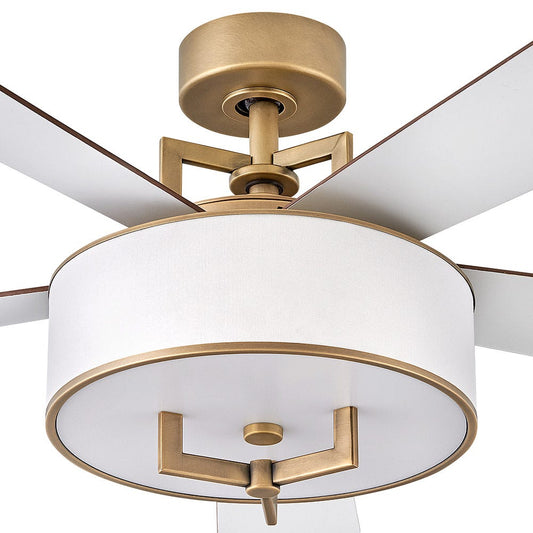


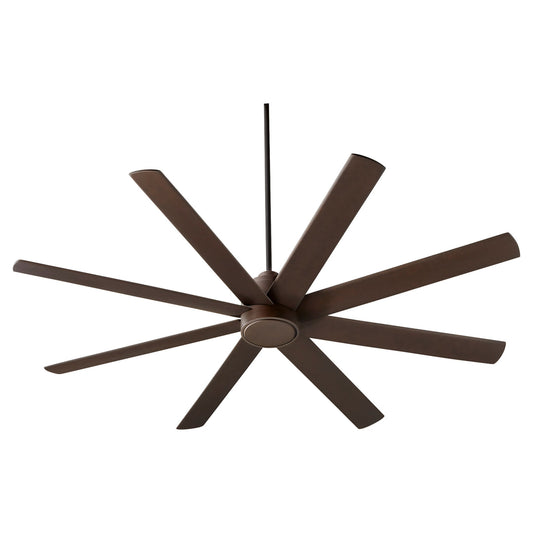


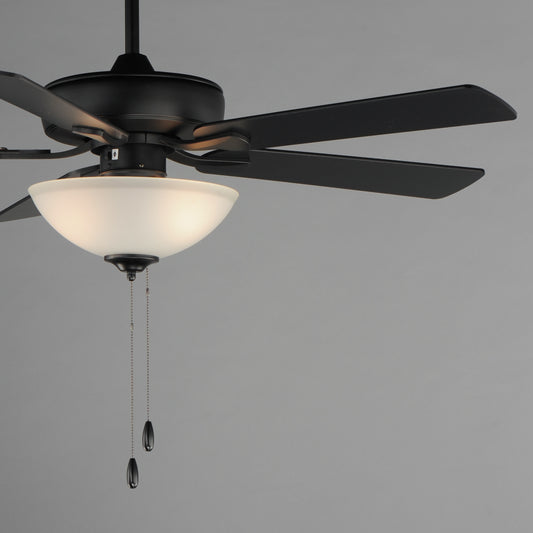


Find Your Perfect Small Ceiling Fan for Bathroom
A lot of bathroom upgrades start with tile, mirrors, or a better vanity light. Then the steam rolls in after a shower, the mirror clouds over, and the room still feels damp. That’s when many homeowners realize the ceiling matters too.
A small ceiling fan for bathroom use can do two jobs at once. It can help the room feel more comfortable, and it can turn an often-overlooked fixture into part of the design. The trick is choosing one that fits a wet environment, fits the room size, and fits the ceiling shape without looking like an afterthought.
Your Stylish Solution to Steamy Bathrooms
You step out of a hot shower, and the bathroom keeps holding onto moisture like a sponge. The mirror is fogged. The walls feel clammy. The room doesn’t feel fresh again until much later. A standard exhaust fan helps, but many bathrooms still feel stale because the air isn’t circulating well.
That’s why more homeowners look at a ceiling fan not as a backup utility, but as a design upgrade. In a compact bath, the right fan adds movement, softness, and visual polish. It can make a small room feel less boxed in, especially when the fan has a clean motor housing, a refined light kit, and a low-profile silhouette.

A bathroom fan choice gets even more important in remodels where every inch works hard. If you’re already thinking through layout, finishes, and storage, these bathroom remodel ideas for small spaces are useful because they show how airflow decisions should support the full room, not sit outside it.
Why this fixture feels different
A ceiling fan in a bathroom changes the experience of the room in a subtle way. It doesn’t just remove that trapped, heavy feeling. It also softens temperature swings, helps surfaces dry more evenly, and adds a custom look that a plain grille in the ceiling never will.
It's like the difference between opening one small window and creating a cross-breeze. The room just feels better.
A good bathroom fan choice should look intentional when it’s off and feel helpful when it’s on.
What shoppers usually miss
Style and size are often initial considerations. Those matter, but bathrooms ask more from a fan than a bedroom or office does.
Three details decide whether the purchase holds up:
- Moisture rating: The fan has to be made for a humid environment.
- Mounting style: Bathrooms often have low ceilings, sloped ceilings, or both.
- Air movement: You want circulation that feels helpful, not a mini wind tunnel.
That’s where the critical decision starts.
Understanding Damp and Wet Ratings
The most common bathroom fan mistake is choosing a fan that looks right but isn’t built for moisture. A beautiful dry-rated fan might work perfectly in a hallway and fail badly in a bathroom. Steam gets into places that ordinary room fixtures were never designed to handle.
The simplest way to think about ratings is clothing. A damp-rated fan is like a water-resistant jacket. It handles humidity, steam, and moisture in the air. A wet-rated fan is more like a waterproof raincoat. It’s made for direct water exposure.

Which rating fits your bathroom
If your fan will live in a bathroom with normal humidity and it won’t be directly hit by water, a damp-rated model is often the right fit. If the installation spot puts the fan directly over a tub or in an area with direct spray exposure, the safer choice is a wet-rated model.
That distinction matters because bathrooms aren’t all built the same. A powder room behaves differently from a bath with a walk-in shower and no real buffer zone.
For readers who want a good companion guide on fixture safety zones, this overview of IP ratings for electrical fixtures in bathrooms helps translate the idea into plain-English planning.
What the rating protects
A proper bathroom-rated fan is built to resist the problems moisture creates over time. That often includes finishes and internal parts designed to stand up to steam, corrosion, and repeated temperature shifts.
Look for these signs of a fan built for bathroom duty:
- Protected finish: Powder-coated or otherwise moisture-resistant finishes hold up better than standard decorative coatings.
- Hardware that resists corrosion: Bathrooms are tough on exposed screws, brackets, and trim.
- Sealed motor housing: This helps protect the moving parts from humid air.
A dry-rated fan in a bathroom is a gamble. It may rust sooner, age poorly, or create safety concerns.
Practical rule: Match the fan’s rating to the wettest conditions the fixture will face, not the conditions you hope it will face.
One more useful distinction
Shoppers sometimes mix up bathroom ceiling fans and outdoor fans because both can be damp-rated or wet-rated. The moisture logic overlaps, and this guide to outdoor ceiling fan ratings and placement can help if you want a clearer mental model for where each rating belongs.
If you remember only one thing from this section, make it this. In a bathroom, the rating isn’t a bonus feature. It’s the starting line.
The Goldilocks Rule for Sizing Your Bathroom Fan
A bathroom fan can look perfect in the box and still feel wrong once it is installed. In a small bath, a fan that is too wide can dominate the ceiling like an oversized chandelier in a powder room. One that is too weak leaves the room feeling warm, stale, and slow to dry after a shower.
For a small ceiling fan for bathroom spaces, start with two measurements. Blade span tells you how much visual and physical space the fan takes up. CFM, or cubic feet per minute, tells you how much air the fan moves. Blade span is the suit size. CFM is the lung capacity.
Start with the fan's footprint
In a compact bathroom, proportions matter as much as airflow. A small, design-forward fan should feel intentional, not squeezed in. For many bathrooms, that points shoppers toward smaller blade spans and cleaner housings, especially if the room already has recessed lights, a shower glass panel, or a bold vanity mirror competing for attention.
A useful rule is simple. Match the fan to the room so it can circulate air comfortably without becoming the first thing your eye notices. If you want a broader sizing reference before narrowing to bathroom-specific needs, this guide on how to choose a ceiling fan size gives a helpful room-by-room baseline.
That matters even more in premium bathrooms, where the fan is part of the finished look. A well-scaled model can read like a polished architectural detail. An oversized one can make an expensive room feel crowded.
Then separate circulation from ventilation
This is the point that trips people up.
A ceiling fan circulates air across the room. Your exhaust fan removes humid air from the room. They work together, but they do different jobs. If CFM feels abstract, picture two different tools. The ceiling fan is the hand that stirs the air so steam does not sit in one corner. The exhaust fan is the open window that carries that moisture out.
So when you size the ceiling fan, you are choosing comfort, balance, and how the room breathes day to day. You are not replacing the dedicated bath vent required for moisture control.
Bathroom fan sizing cheat sheet
| Bathroom Size (sq. ft.) | Recommended Blade Span | Target Airflow (CFM) |
|---|---|---|
| Under 50 | Small-scale fan, often around 30 to 42 inches | Modest circulation paired with proper exhaust ventilation |
| 50 to 75 | Often around 29 to 36 inches | Enough airflow to keep the room feeling fresh, without a drafty feel |
| Around 70 | Mid-small fan sized to the room | Separate exhaust fan often follows the 1 CFM per square foot rule |
The table works best as a filter, not a hard formula. Bathroom layout changes the feel of a fan quickly. A narrow hall bath, a room with a large walk-in shower, or a bathroom with tall tile walls can make the same fan behave differently from one home to the next.
If you are also trying to make every square foot work harder, this guide on how to maximize small bathroom space is a smart companion because fan scale and room layout affect each other more than shoppers often expect.
Where premium models fit
A higher-end bathroom ceiling fan starts to make sense as an investment, not a splurge. In the over-$300 range, you are often paying for quieter motors, stronger finishes, better integrated lighting, and a lower-profile silhouette that looks designed for a bath instead of borrowed from a bedroom.
That combination matters in a humid room you use every day. A refined, properly sized fan can improve comfort after showers, help surfaces dry more evenly, and finish the ceiling plane in a way that supports the rest of the design. In a primary bath or a well-designed guest bath, that can add to both daily enjoyment and perceived home value.
The short version is simple. Choose a fan that fits the room visually, moves air comfortably, and complements the level of finish you want the bathroom to have.
Mounting Options for Low or Sloped Ceilings
A small bathroom can have the hardest ceiling in the house. One shower niche steals space. A soffit crowds the center line. A pitched ceiling turns a simple fan swap into a fit problem.
That is why mount type deserves the same attention as style and airflow. In a premium bathroom, the goal is not only to fit a fan in the room. The goal is to make the fan look intentional, keep the blades at a safe height, and avoid a crowded ceiling plane that cheapens the whole design.

Flush mount versus downrod
Mounting changes how a fan lives in the room. The same fan can feel well-suited in one bathroom and awkward in another based on drop alone.
A flush mount, also called a hugger or low-profile mount, keeps the motor close to the ceiling. That usually works best in compact baths where every inch matters and you want a clean, built-in look. A downrod mount lowers the fan, which can improve air circulation and visual proportion in taller bathrooms, but it can also make a low ceiling feel busy fast.
A simple way to sort it out:
- Flush mount: Best for lower ceilings and smaller bathrooms where headroom is tight.
- Low-profile mount: Good for a refined close-to-ceiling appearance with a little more breathing room around the motor housing.
- Downrod mount: Better for taller bathroom ceilings where a fan would look pinched if it sat too high.
As noted earlier, ceiling fans still need proper clearance from the floor. If the fan cannot meet that basic height requirement, the right answer is usually a different fixture, not a riskier mount.
Premium bathroom fans often justify their price here. Higher-end models over $300 tend to offer slimmer motor housings, better-finished canopies, and integrated lights that do not add unnecessary bulk. That is a real advantage in a primary bath where the fan is part of the design, not an afterthought.
Sloped ceilings need the right bracket
A sloped ceiling is manageable, but the bracket has to match the angle. A standard mount on a pitched ceiling can leave the fan sitting crooked or too close to a wall. The result is the ceiling-fan version of hanging a door that almost fits. It may work, but it never feels right.
Look for fans that are specifically compatible with angled ceilings or that accept an adapter designed for the slope. Ball-and-socket style mounting systems are commonly used for this because they let the fan hang plumb even when the ceiling does not. This overview of ceiling fan mounting bracket types gives a helpful visual if you want to compare hardware before buying.
Wall clearance matters too. In a small bathroom, the blade span can fit on paper while the blade path still ends up uncomfortably close to tile walls, a medicine cabinet, or the edge of a sloped ceiling. That is when a compact premium fan with a tighter visual profile earns its keep.
In a bathroom with a sloped ceiling, the bracket decides whether the fan feels custom fitted or forced into place.
A short visual can help if you’re trying to picture the difference between mounting methods in a real room.
How to avoid the common fit mistake
Blade span gets most of the attention, but the total drop is what surprises shoppers. The canopy, motor housing, mount, and light kit all add depth. In a bathroom, that stacked height often matters more than one extra inch of blade size.
Start with the ceiling shape and mounting limits. Then choose the finish, light kit, and blade style. That order usually leads to a fan that looks more expensive, fits better, and feels like a lasting upgrade to comfort and home value.
Beyond the Breeze Smart Features and Upgrades
The premium end of the bathroom fan market gets interesting fast. In this segment, a fan stops being a plain air-moving fixture and starts acting like part comfort upgrade, part lighting upgrade, part daily convenience.
Integrated lighting is one of the best examples. A clean LED light kit can replace the need for a separate overhead fixture in some bathroom layouts, which helps the ceiling look less crowded and more intentional.

Features worth paying attention to
Some upgrades are nice to have. Others improve how the bathroom works every single day.
Here are the features that earn their keep:
- Integrated LED lighting: This keeps the ceiling cleaner visually and can support layered bathroom lighting.
- Remote or wall control: Helpful in small baths where the switch layout is awkward.
- Multiple speeds: This gives you gentle circulation most of the time, with stronger airflow when you want the room to dry faster.
- Humidity response: Some premium ventilation products use sensors so the fixture responds to steam instead of relying on memory.
A note on built-in heaters
One of the biggest comfort trends is the fan-and-heater combination. It makes sense. Bathrooms are one of the few rooms where a warm burst of air changes the entire feel of the space.
But this is also the category where shoppers need to slow down and read the specs carefully. According to a trend note summarized through Target’s bathroom ceiling fan category reference, built-in heaters are a significant trend, and a 2025 Journal of Building Engineering study advises that these units must be UL Damp-rated and include auto-shutoff features to reduce moisture-related risks.
That’s a useful filter. Warmth is appealing. Safe warmth is the ultimate goal.
A bathroom heater-fan should feel like a comfort upgrade, not a shortcut around moisture safety.
Smart control without gadget overload
The best smart features are the ones that don’t turn a bathroom into a tech demo. You don’t need a complicated setup to get value from modern controls. A simple remote, a timer, or compatibility with broader home controls is often enough.
If you’re comparing connected options across the house, this overview of ceiling fans with smart home integration options helps separate practical features from gimmicks.
In a small bathroom, the smartest upgrade is usually the one that disappears into your routine.
Installation Codes Noise and Electrical Notes
A beautiful bathroom fan can still disappoint if the install is noisy, underpowered, or wired for the wrong location. In a bathroom, the hidden details decide whether the room feels like a polished retreat or a humid box with a pretty fixture on the ceiling.
Ceiling fan versus exhaust fan
A ceiling fan and an exhaust fan handle two different parts of the comfort problem. The ceiling fan keeps air moving across your skin, which helps the room feel fresher. The exhaust fan pulls humid air out of the room so moisture does not linger on mirrors, paint, trim, and grout.
The Home Ventilating Institute explains the sizing baseline clearly. Small bathrooms need enough exhaust capacity to clear moisture effectively, and larger bathrooms are commonly sized by square footage. That matters even in a design-focused space with a premium decorative ceiling fan overhead. The ceiling fan improves comfort. The exhaust fan protects the room.
If you are investing in a $300-plus bathroom fan for style, keep that bigger picture in mind. Good airflow is part of the luxury experience, but moisture control is what helps the finishes stay luxurious.
What sones actually mean
Sones measure how loud a bathroom ventilation fan sounds during operation. CFM tells you how much air moves. Sones tell you how peaceful the room feels while that air is moving.
A low-sone fan works like a quiet refrigerator in a well-designed kitchen. You know it is doing a job, but it does not dominate the room. A high-sone fan does the opposite. It adds a rough mechanical note that can make even a premium bathroom feel cheaper than it is.
For a primary bath or powder room where sound matters, quieter ventilation is worth paying for. People use quiet fans longer and more consistently, which helps with humidity control too.
Electrical details worth asking about
Bathrooms ask more from electrical components because moisture changes the risk level. A fan that is fine in a bedroom may not be suitable over a tub, near a shower zone, or in a room that traps steam after every morning routine.
Ask your installer to confirm a few specific points:
- Location rating: The fan matches the room condition, whether that means damp-rated for general bathroom use or wet-rated for direct exposure areas.
- Fan-rated electrical box: A moving fixture needs proper support, not the same box used for a simple ceiling light.
- Circuit and switch setup: The installer should confirm the fan, light, heater, and controls are wired on the right type of protection for the space.
- Outdoor venting for exhaust equipment: Moist air should be ducted outside, not pushed into an attic or another enclosed area.
For homeowners who want to understand the process before scheduling the job, this guide to ceiling fan installation basics gives a useful overview.
A good bathroom fan install is easy to overlook. That is the point. The fan sits tight to the ceiling, runs with a calm sound, clears moisture reliably, and supports the high-end look you paid for.
Discover Your Perfect Bathroom Fan at Fan Connection
A bathroom fan can be one of the smartest finish upgrades in the room. In a well-designed bath, the fan should protect air quality, support the lighting plan, and look intentional beside tile, mirrors, and hardware. That is why shopping goes more smoothly once you stop treating it like a generic utility item and start matching it to the room’s exact conditions.
At that point, the search gets clearer. You are choosing for moisture exposure, ceiling height, visual style, and how polished you want the room to feel every day.
Premium models that make sense in bathrooms
Fan Connection is especially useful if you want options that feel curated instead of pulled from a big box shelf. For bathrooms where design matters, the stronger choices often start above $300, because that is where finishes, motor quality, blade design, and low-profile styling usually improve.
A few good examples:
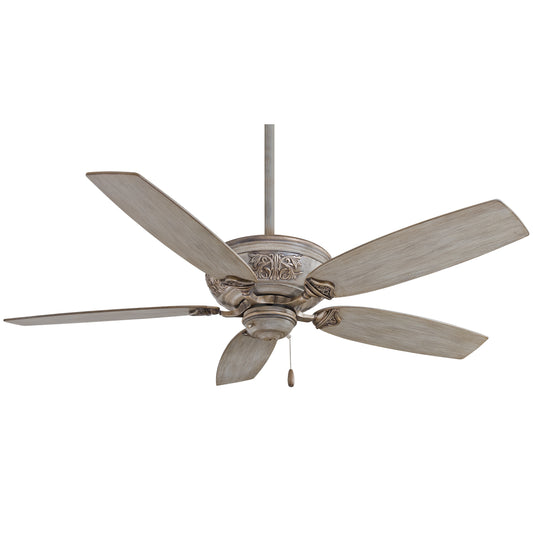
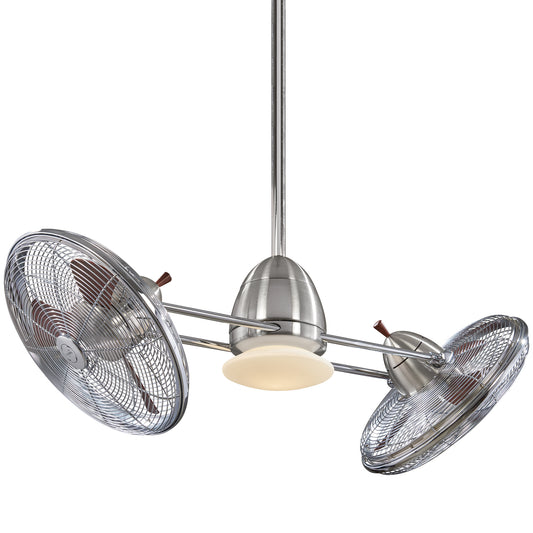
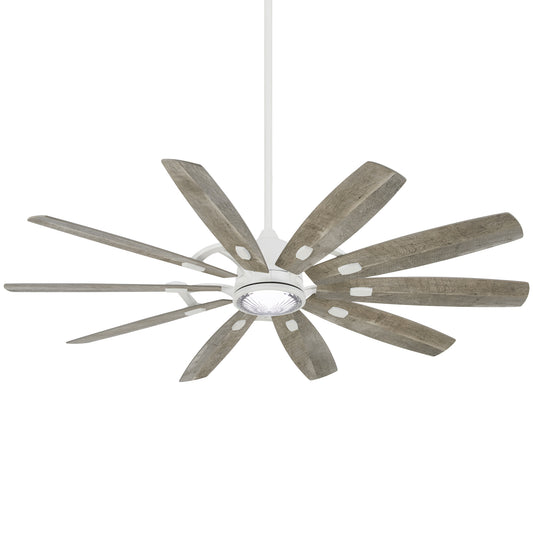
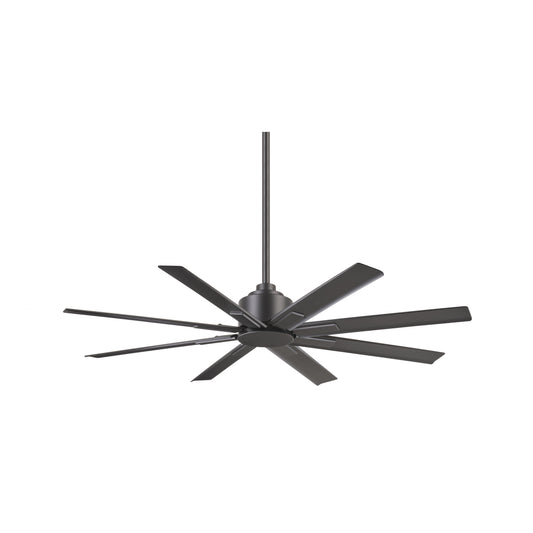
- Aerovon from the 3 Blade Collection, priced at $399, suits a modern bathroom that needs a clean silhouette without visual bulk.
- Axis works well for shoppers who want a compact fan with a contemporary shape that does not crowd the ceiling.
- Artemis IV from the 5 Blade Collection, priced at $649, fits a larger bath where the fan should read like part of the room’s architecture, not an afterthought.
Those models make sense in spaces with better finishes. If you have invested in stone, custom cabinetry, or upgraded fixtures, the fan should belong in that same conversation.
Why the premium route often pays off
A bathroom is hard on moving parts. Moisture lingers, ceilings are often lower, and every inch is more visible than it is in a bedroom or family room. A better fan handles that environment with more grace. You get a fixture that looks quieter, feels better balanced in the room, and is less likely to disrupt the design you worked for.
Airflow matters too, but in a bathroom it helps to think of airflow as pacing, not brute force. Too little circulation leaves steam hanging around. Too much fan for a tiny room can feel visually oversized and physically distracting. The right premium model threads the middle. It clears the space, supports comfort, and keeps the ceiling from looking crowded.
There is a value angle here as well.
A bathroom that stays drier is easier on paint, trim, mirrors, and finishes over time. A fan that also looks refined adds to the finished feel buyers notice, especially in a primary bath where small details signal overall quality.
A simple way to narrow your options
If you want a faster path to the right fan, filter in this order:
- Start with moisture suitability. Choose only models appropriate for bathroom conditions.
- Check the profile and diameter. A small bath usually needs a fan that sits close to the ceiling and stays in scale with the room.
- Pick the design family. Modern, sculptural, minimal, or more decorative styles all change the mood of the space.
- Add convenience features last. Lights, remotes, and smart controls are best chosen after fit and rating are settled.
That sequence works well because it mirrors how a bathroom functions. First the fan has to survive the room. Then it has to fit. Then it should look like it belongs there.
If you are ready to replace a steamy ceiling with something that feels polished and intentional, browse Fan Connection for premium bathroom-friendly ceiling fans, curated collections, and higher-end models like Aerovon and Artemis IV.


