











Ceiling Fan Replacement Parts: Quick Fixes and Fun Upgrades
That wobbly, humming, or flickering ceiling fan doesn't have to be a goner. Before you start shopping for a brand-new unit, take a breath! More often than not, the fix is as simple as swapping out a single part—a quick DIY job that can get your fan back in business and even give your room a whole new personality.
Should You Fix Your Ceiling Fan or Just Replace It?
When your fan starts acting up, it’s easy to think the whole thing is toast. But tossing it out might be a hasty move. In many situations, a targeted repair is smarter, cheaper, and way less of a headache than a full-blown replacement and installation. Let's get into the fun of being a fan detective!
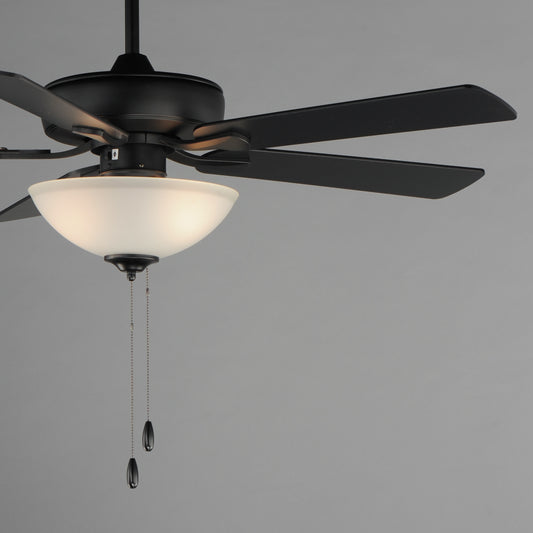
A lot of the time, the problem isn't the whole fan; it's one small, worn-out component. A motor that hums but won’t spin, a light that’s given up the ghost, or a pull chain that’s snapped off are all classic signs of a specific part failure. A bad capacitor, a fried light kit, or a broken switch are all replaceable.

Why Repair Is Often the Smart First Move
The market shows we're on the right track with this thinking. The global ceiling fan market is expected to climb to nearly USD 18 billion by 2034, and a big part of that growth is driven by maintenance and upgrades. Since a good fan can last anywhere from 10 to 20 years, homeowners are choosing to extend that lifespan with reliable parts instead of starting from scratch.
When you're weighing your options, the main things to consider are usually the fan's age and how much the part costs. This is true for most home appliances, and you can find some great general advice on deciding on appliances repair or replace.
The Perks for Your Wallet and Your Style
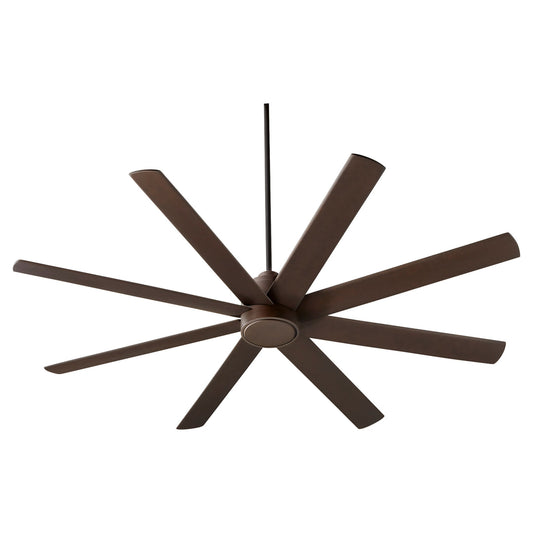
The financial case for repair is pretty clear. A new capacitor might set you back less than a good latte. Compare that to a new high-end fan, which can easily be an investment of over $300. For example, a stunning centerpiece like the Artemis XL5 is an investment in style and quality, but if a small part fails, a quick fix is much more economical than replacing the entire statement piece. As long as the motor itself is still running strong, a small part replacement is an obvious financial win.
Key Takeaway: Fixing your fan isn't just about solving a problem. It's a chance to save money, cut down on waste, and even give your room a style refresh with updated parts.
Plus, swapping parts can be a fantastic style upgrade. Got old, discolored blades? A new set can completely transform the fan's appearance. You could also ditch that old pull chain and upgrade to a modern remote control for a little extra convenience. It’s a great way to keep a fan you like while making it feel new again.
If you ever feel like the job is more than you want to handle, remember you can always look into finding professional ceiling fan repair services near your location.
Diagnosing Common Fan Issues and Their Solutions
Not sure where to start? Use this quick reference table to match your fan's symptom with the likely part you need to replace.
| Symptom | Likely Culprit | Required Replacement Part | DIY Difficulty |
|---|---|---|---|
| Fan won't start, hums | Bad capacitor | Capacitor | Easy |
| Fan wobbles excessively | Unbalanced or warped blades | Blades, Blade Arms/Brackets | Easy-Medium |
| Fan speeds are wrong/won't change | Faulty speed switch | Pull Chain Switch | Medium |
| Light won't turn on | Burnt-out bulbs or bad socket | Light Kit, Socket, or Limiter | Medium |
| Pull chain is broken/stuck | Broken internal switch mechanism | Pull Chain Switch | Medium |
| Fan hangs too low/high | Incorrect downrod length | Downrod | Medium-Hard |
This table should give you a solid starting point for troubleshooting. Once you've got an idea of the problem, you're halfway to the solution.
Finding the Right Part for Your Fan Model
That moment of relief when a new ceiling fan part slides perfectly into place? That’s the real victory. But getting there can feel like a treasure hunt, especially when the original manual is long gone. Finding that exact-fit ceiling fan replacement part doesn't have to be a headache, though. Your fan has clues hidden all over it, and I'm here to help you play detective.
Your fan’s model number is the golden ticket, and it’s usually hiding in plain sight. All you need is a ladder and a flashlight to start the search.
The Model Number Scavenger Hunt
First, check the top of the motor housing. Carefully lean over from your ladder and look for a sticker with all the manufacturing details. Nine times out of ten, the model number is right there. It’s the most common spot.
No luck? Don't give up. The next place to look is inside the switch housing—that's the little cup where the pull chains hang from. Manufacturers sometimes tuck the info label in there.
A few other places it might be hiding:
- On the ceiling canopy (the part that covers the mounting bracket).
- Stamped onto the top surface of one of the fan blades.
- Inside the housing of a removable light kit.
Once you have that number, you're set. You can pop it into our search bar and shop with total confidence, knowing you’re getting a part that’s guaranteed to fit.
No Model Number? What Now?
Okay, so what if the sticker is peeled off, faded, or was never there to begin with? This is where your detective work gets a bit more hands-on, but it's nothing you can't handle. Instead of a model number, you’ll just rely on good old-fashioned measurements and photos.
Let's say you need new fan blades or blade arms (the brackets holding them). You'll need to measure the hole patterns. Grab a ruler and measure the distance from the center of one screw hole to the center of the next. You'll also want to measure from a screw hole to the center hub opening. These measurements are absolutely critical for finding a universal set that will line up correctly.
If it's a broken switch, take a few clear photos of it before you disconnect any wires. Note the number of wires and their colors. A switch for a 3-speed fan with a light looks a lot different from a simple single-speed switch. This visual proof is often all you need to find the right replacement.
Using Style to Narrow Your Search
Sometimes, you can identify your fan just by its unique design. Here at Fan Connection, we organize our fans into collections, which makes it easy to find what you're looking for. If you know you have a modern fan with sleek, clean lines, you can browse collections like our Aerovon or Artemis IV fans to visually match your model and find its parts.
This method works especially well for high-end, design-forward fans. A stunning piece like the Artemis XL5, with its one-of-a-kind sculptural blades, is a perfect example. Models like these are built to last, and we make it easy to find authentic, quality parts to keep them running beautifully for years. When you invest in a premium fan, often costing $300 or more, you’re buying an appliance that's meant to be serviced, not tossed.
The demand for ceiling fan replacement parts is on the rise, particularly as people upgrade to more energy-efficient models. You can read the full research on the ceiling fan market and see that extending a fan's lifespan with new parts is a smart, popular choice.
Finding the right part might feel a little daunting at first, but with a bit of investigation, you can confidently source the exact component you need. Don't be afraid to take measurements and photos—they are your best tools when a model number is missing.
If you’re still feeling stuck, remember there are experts who can lend a hand. For more on this, check out our guide on companies that provide ceiling fan replacement parts and repair services. With the right information, you'll be well on your way to a successful repair.
Alright, ready to get your hands dirty? This is where the magic happens—where you go from having a fan problem to becoming a DIY pro. Fixing the most common ceiling fan issues is usually a lot simpler than you might think, and the satisfaction of knowing you did it yourself is a huge perk.
We'll walk through the fixes we see all the time, from wobbly blades to a pull chain that's given up the ghost. I'll share some practical tips from my own experience to help you get it right on the first try.

This little graphic breaks down the first few steps for finding any part you'll need. The whole journey from a broken fan to a working one starts with knowing what you're looking for.
Mastering the Blade Swap and Balance
A wobbly fan isn't just a noisy distraction; it's a sign of imbalance that puts extra stress on the fan's motor over time. Whether a blade is cracked, warped, or you're just itching for a new look, swapping them out is a pretty straightforward job.
Before you start, get your gear together. You’ll need:
- A solid stepladder
- A Phillips head screwdriver
- A blade balancing kit (these often come with new fans or blade sets)
- A cold drink (optional, but I always recommend it!)
Now for the single most important rule of fan repair: Turn off the power at the circuit breaker. Don't just flip the wall switch. Head to your electrical panel and shut off the breaker for that room. This is non-negotiable for your safety.
With the power confirmed off, you can start taking off the old blades. Just loosen the screws holding each blade to its bracket. Here’s a pro tip for when you install the new ones: use a "star pattern" to tighten the screws. Instead of tightening one all the way down and moving to the next, just get them all snug in an alternating pattern. Then, go back and give them a final turn to secure them. This trick distributes the pressure evenly and helps prevent the new blades from warping.
Once the new blades are on tight, flip the power back on and give it a test run. Still got a wobble? Time to break out the balancing kit. It's just a small clip and some adhesive weights. Clip the plastic piece to the edge of one blade, turn the fan on, and see if the wobble gets better or worse. Keep testing the clip on each blade until you find the one that calms the wobble the most. That's your spot. Stick one of the adhesive weights on top of that blade, and you should be golden.
Expert Insight: When you invest in a top-tier fan, like the powerful six-blade Aviation model (well over $600), you're starting with perfectly balanced blades and a motor built for the long haul. Quality from the get-go means fewer repairs down the road, but when you do need a part, you know premium options are available.
Upgrading Your Fan with a New Light Kit
Adding or replacing a light kit can completely transform a room's vibe and your fan's usefulness. The good news is that many fans are "light kit adaptable," meaning they have a dedicated housing cap and wires just waiting for an upgrade.
First, make sure your fan is compatible. After shutting off the power at the breaker, take a look at the very bottom of the motor housing. If you see a removable plate or cap, that's a great sign. Pop it off, and you should find a small plug or a couple of capped wires (usually one blue, one white) tucked inside. That's where your new light will get its power.
Once you have the new light kit, installation is basically plug-and-play. Connect the wires from the light kit to the fan—blue to blue, white to white—using the wire nuts that came with it. Screw the light kit assembly onto the fan's switch housing, pop in the bulbs and glass shades, and that's it. It’s an easy project that can make an old fan feel brand new.
Fixing a Faulty Pull Chain or Capacitor
Two of the most frequent electrical hiccups we see are a busted pull chain switch and a dead capacitor. A broken pull chain means you're stuck on one speed (or off completely), while a bad capacitor usually results in a fan that just hums without spinning.
Replacing a Pull Chain Switch: With the power off, open up the switch housing at the bottom of the fan. Before you touch a single wire, take a clear picture with your phone! This photo is your roadmap for wiring the new switch. Carefully disconnect the wires from the old switch and connect them to the new one in the exact same order.
Tackling the Capacitor: The capacitor is a little black box that gives the motor the jolt it needs to start spinning. That telltale hum from a fan that won't turn is the classic sign of a failed capacitor. Just like with the pull chain switch, you'll need to kill the power, open the housing, and take a photo of the wiring setup. Capacitors have several wires, so matching them up correctly is critical. For a deeper dive, check out our complete guide on how to replace a ceiling fan capacitor. This is often the cheapest and easiest fix for what looks like a totally dead motor.
Upgrade Your Fan for Style and Performance
Fixing a broken part is one thing, but have you ever thought about completely reinventing your ceiling fan? Think of it less like a fixed appliance and more like a piece of decor that can change right along with your style. With the right ceiling fan replacement parts, you can give a room a whole new vibe without the headache and expense of a full replacement.
This is where you can really get creative. That perfectly functional but maybe a little boring fan in your living room? It’s got hidden potential. Let's unlock it.

Reimagine Your Room with New Fan Blades
If you want the most bang for your buck in terms of a style upgrade, start with the blades. More than any other part, the blades define a fan's personality.
Just imagine: that standard, five-blade fan with plain white blades could become a real showstopper.
- Go Tropical: Swap them for wide, leaf-shaped blades. Instantly, the room feels like a breezy, vacation getaway.
- Embrace Farmhouse Charm: Try installing blades with a rustic, barnwood finish. It’s a simple way to add warmth and character to a country-style space.
- Modernize Your Look: Opt for sleek, straight-edged blades in a matte black or metallic finish for a clean, contemporary feel.
This one change can take your fan from a basic utility to a deliberate design choice.
Boost Functionality with Performance Upgrades
Upgrades aren't just about looks—they're about making your life easier and your room more comfortable. A few smart part swaps can add modern convenience and even improve airflow.
One of the most popular performance upgrades I see is adding a remote control. Ditching the pull chains for a remote or wall control just feels a little more luxurious and is incredibly convenient. No more fumbling in the dark.
Another key performance factor is blade pitch. While you can't change the pitch of the motor itself, swapping out blade brackets or entire blade assemblies can make a real difference in how much air your fan moves. A steeper pitch generally moves more air, which is a lifesaver in large rooms or hot climates.
Your existing fan is a canvas. By swapping out parts, you’re not just repairing it—you're curating its style and function to perfectly match your needs. This approach is both sustainable and budget-friendly.
The market for aftermarket fan parts is booming, mostly because people want style and sustainability. The fact that decorative models, like those in our Artiste or Chateaux collections, are the fastest-growing segment tells you everything. There’s a huge demand for unique blades and designer motors, and with online sales channels growing at twice the rate of retail, specialty shops like ours are the best place to find them.
See how specific part swaps can enhance your fan's aesthetic and functionality.
Upgrade Paths for Fan Style and Performance
| Your Goal | Suggested Part Upgrade | Resulting Aesthetic | Performance Benefit |
|---|---|---|---|
| Create a modern, minimalist look | Sleek, straight-edged blades in matte black | Clean, contemporary, and bold | Can be paired with aerodynamic designs for better airflow |
| Add a touch of natural warmth | Wood-finished or leaf-shaped blades | Rustic, coastal, or tropical | Wide blades can create a gentle, consistent breeze |
| Improve room lighting | A new, brighter LED light kit | Updated and functional | Significant energy savings and better illumination |
| Get high-tech convenience | A remote control or smart home kit | Modern and effortless | Control speed, light, and direction from anywhere |
These small changes can lead to a big impact, tailoring your fan to your exact preferences.
Start with a Versatile Base for Future Style
If you're in the market for a new fan, thinking about future customization from day one is a smart play. A high-quality fan with a classic motor design gives you a solid foundation you can update for years. A model like the sculptural Chisel fan, an investment piece at over $300, is the perfect example. Its powerful motor and clean lines can support a huge range of blade styles, letting you adapt its look as your decor evolves.
Energy efficiency is another massive reason to upgrade. Switching to a DC motor fan is one of the best performance moves you can make—they're whisper-quiet and way more efficient. For a full rundown, you can learn more about the benefits of DC ceiling fans in our guide.
Feeling inspired? The best way to see the possibilities is to, well, see them. Browse our Fan Connection Collections to see how different blade styles, finishes, and light kits come together. You might just find the perfect idea for your fan's next chapter.
Troubleshooting Your DIY Fan Repair
So, you’ve swapped in the new ceiling fan replacement parts, tightened that last screw, and stepped back to admire your handiwork. You flip the switch, and… something’s still not quite right. Maybe it’s a persistent wobble, a flickering light, or a motor that just hums without spinning.
Don't throw in the towel just yet! This happens to even the most experienced DIYers, and trust me, most of these post-repair hiccups are surprisingly simple to solve.
This video guide walks you through one of the most common headaches—a wobbly fan—and shows just how easy it can be to tame. Now, let’s dive into a few other frequent problems and get your fan running perfectly.
The Wobble That Won’t Quit
You just installed a beautiful new set of blades, but the fan is still dancing like nobody’s watching. A stubborn wobble is almost always a balance issue, not a sign of a bad motor. Before you get frustrated, let's play detective.
First, go back and double-check that all your blade screws are equally tight. Use that "star pattern" we talked about earlier to make sure the pressure is even across the blade arms. You'd be surprised how often a single loose screw is the only culprit.
If everything is secure, it's time to break out the balancing kit. This tiny kit is your best friend for hunting down and eliminating wobbles. The process is a bit of trial and error, but it’s incredibly effective.
- Clip and Test: Snap the plastic balancing clip onto the trailing edge of one fan blade, about halfway out from the motor.
- Observe: Power the fan on and see if the wobble has improved, gotten worse, or stayed the same.
- Repeat: Turn the fan off and move the clip to the next blade. Go through this process for every single blade until you find the one where the clip makes the biggest difference.
- Stick the Weight: Once you've found the problem blade, stick one of the adhesive weights on the top center of that blade, right in line with where the clip was placed.
This systematic approach zeros in on the weight imbalance. If you're still wrestling with it, our comprehensive guide on how to balance a ceiling fan has even more detailed tips to get it running smoothly.
The Flickering Light Kit Mystery
You've installed a brand-new light kit, but now it flickers like a candle in the wind. This is a classic symptom of a loose connection. Power down the fan at the breaker (always!), and let’s take a look at the wiring.
Gently remove the light kit and inspect the wire nut connections. Are they all snug? Give each one a gentle tug. If a wire pops right out, you’ve found your problem. A poor connection can cause the current to arc, which results in that annoying flicker. Re-twist the wires and make sure the nut is on there good and tight.
While you’re in there, double-check that you’re using the right wattage bulbs for the kit. Using bulbs that are too powerful can cause the fixture's internal limiter to trip, which also leads to flickering.
The Hum Without the Spin
This one is a real head-scratcher. You just put in a new capacitor, but the motor only hums and refuses to spin on its own. The very first thing to check is your wiring. Did you match the new capacitor's wires to the old ones exactly? A single misplaced wire will stop the motor from getting the "kick" it needs to start turning.
If the wiring is perfect, you might have run into a rare case of a faulty new part. It doesn't happen often, but it's possible. Before you order another one, though, make sure there are no other electrical issues at play. If you keep running into power problems or a tripped circuit breaker, understanding what can cause a breaker to trip can provide some valuable insight. Sometimes, an overloaded circuit is the real villain.
A Proactive Approach: It's worth remembering that many of these issues are far less common with robust, well-engineered fans. Starting with a high-quality model like the powerful Andros or the dependable Basic Max—both premium fans priced over $300—often means fewer repairs and easier troubleshooting right from the start. They're built for the long haul and designed for easy maintenance.
Fan Parts FAQ: Your Top Questions, Answered
Even after you've nailed a repair, it’s totally normal to have a few questions lingering in the back of your mind. We get it. Here are the straight-up, no-nonsense answers to the most common questions we hear about ceiling fan replacement parts. Think of it as that final dose of confidence to wrap up your project like a pro.
Are Ceiling Fan Blades Interchangeable Between Brands?
This is the big one, and the short answer is almost always no. I know it’s tempting to grab a cool-looking set of blades from another fan, but it’s a bad idea. Blades are engineered as a matched set for a specific motor—balanced for its exact weight, pitch (that's the angle), and size.
Mixing and matching can cause some serious headaches:
- A Dangerous Wobble: Unbalanced blades can make a fan shake so violently it puts a terrifying amount of strain on the ceiling mount.
- Motor Burnout: If the new blades are too heavy or angled too steeply, they force the motor to work way too hard. This leads to overheating and a much shorter lifespan.
- Voided Warranties: Slap on a part from another brand, and you can kiss that manufacturer's warranty goodbye.
If you’re in a real bind and can't find original blades, you might see some universal kits out there. But—and this is a big but—you must confirm the screw hole pattern and total weight are compatible. Your safest, sanest bet is always to track down a direct replacement.
How Do I Know If I Need a New Motor or Just a Capacitor?
Great question. Getting this right can save you a ton of time and cash. The symptoms can look similar at first glance, but there's a key tell.
If your fan just hums at you but won't spin unless you give it a push, the capacitor is almost certainly the culprit. The capacitor is a small, cylinder-shaped part that gives the motor an electrical "kick" to get going. The good news? It's a cheap and easy part to swap out.
A dead motor, on the other hand, is usually more dramatic. If the motor is stone-cold silent with no hum, makes awful grinding or scraping sounds, or you smell that distinct electrical burning odor, the motor itself has probably given up. Replacing a motor is a much bigger, more expensive job.
Pro Tip: Always try the capacitor first. It's a low-cost gamble that solves the "humming but not spinning" problem more than 90% of the time in our experience.
Can I Add a Light Kit to Any Ceiling Fan?
Not all fans are built to be illuminated. Many are sold as "light kit adaptable," which is exactly what you want to see. But plenty of others are just fans, period. You'll have to do a little detective work to know for sure.
Take a look at the very bottom of the fan’s motor housing. See a removable metal cap or a plastic plug right in the center? That’s a good sign. Go ahead and unscrew it. If you find a pair of capped wires (usually one blue, one white) and pre-drilled, threaded screw holes, your fan is ready for a light kit. Those are the dedicated hookups.
If there's no cap and no wiring inside, your fan wasn't designed for a light, and adding one isn't really a practical project. When you're shopping for a new fan, look for models like the versatile Bowie (which runs over $300) that clearly state they're light-kit-ready, so you can easily upgrade down the road.
Where Is the Best Place to Find My Fan's Model Number?
Finding the model number is the single most important step in getting the right ceiling fan replacement parts. The quickest way is to grab a ladder and look for a sticker on the top of the motor housing.
Can’t find it there? Check these other common hiding spots:
- Inside the switch housing (the little cup where the pull chains hang from).
- On the canopy (the decorative piece that sits flush against the ceiling).
- Sometimes, it’s printed on the fan's original remote control.
Having that number makes ordering parts a breeze. It guarantees you get a perfect fit and takes all the guesswork out of the repair. And if you're thinking about a remote, our guide on what to do when you need a replacement fan remote control has some great related tips.
Here at Fan Connection, we truly believe the right parts can bring any fan back to life. Whether you’re tackling a simple fix or making a bold style upgrade, we have the components you need to get it done right. Check out our full lineup of fans and parts today. Visit Fan Connection


