

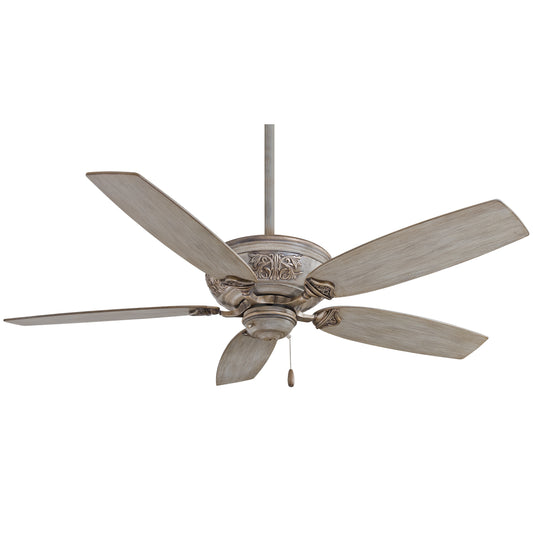

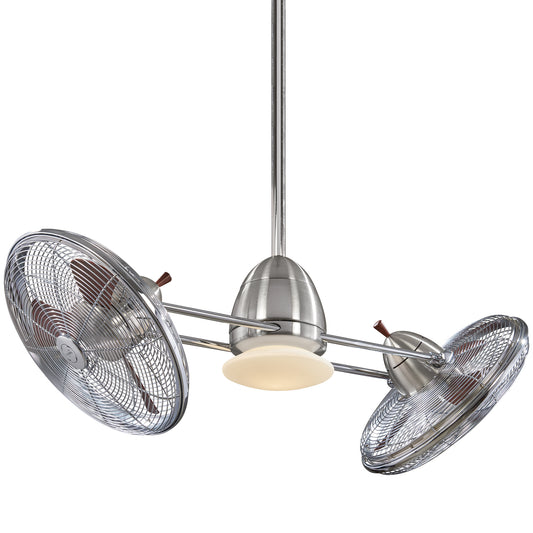

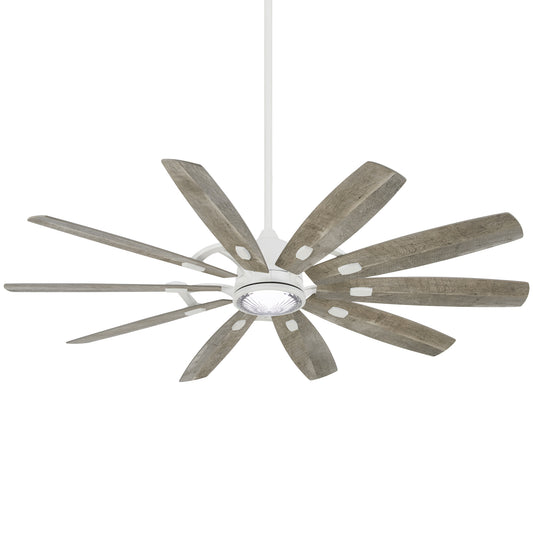

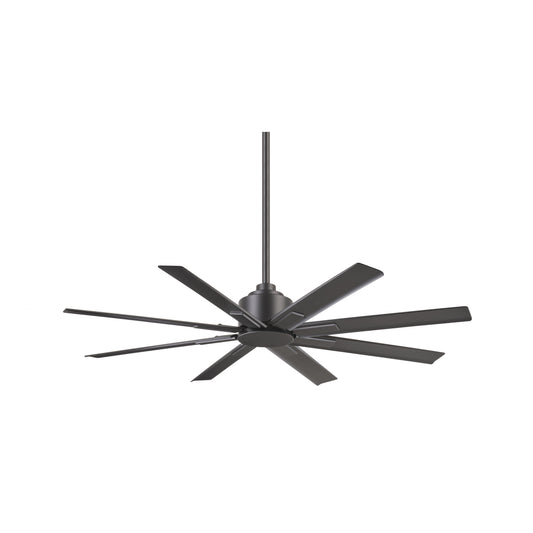







Tropical Ceiling Fan With Light: Your 2026 Buying Guide
You know the feeling. You come back from a beach trip, unpack the suitcase, and the house feels a little too still. The air doesn’t move the same way. The room looks fine, but it doesn’t feel like the breezy resort suite or the shaded lanai where you finally relaxed.
That’s why so many homeowners start looking for a tropical ceiling fan with light. They aren’t only shopping for airflow. They’re trying to hold onto a mood. Soft movement overhead. Leaf-shaped blades. Warm lighting in the evening. A room that feels less ordinary and more like a standing invitation to exhale.
The best tropical fans do something subtle but powerful. They combine comfort, style, and atmosphere in one object you use every day. If you choose well, your fan becomes more than a utility. It becomes the design piece that makes the whole room feel like a permanent vacation.
Bring the Vacation Home With a Tropical Ceiling Fan
A tropical room rarely starts with furniture. It starts with a feeling.
Maybe it’s the memory of sitting under a palm-frond fan in an open-air hotel lounge. Maybe it’s that gentle, steady breeze from a covered patio after sunset. When people try to recreate that at home, they often buy beachy decor first. A few rattan accents. A coastal rug. Some leafy prints. The room looks themed, but it still doesn’t feel right.
That missing layer is usually motion and light.

A well-chosen tropical ceiling fan with light changes the whole read of a space. During the day, the blades create visual softness instead of a harsh mechanical look. At night, the light kit keeps the room functional while still feeling relaxed. That combination is what turns “tropical inspired” into “I want to stay in this room all evening.”
Why the fan matters more than most people expect
Tropical fans work at two levels.
- Visual level: Palm, leaf, wicker, or sculpted wood blades instantly signal resort style.
- Comfort level: Moving air makes the room feel alive.
- Mood level: Integrated lighting lets you shift from practical brightness to evening calm.
A lot of homeowners start with standard fans and realize later that the look is too plain or too industrial. Tropical models solve that by acting like decor and performance equipment at once.
A tropical fan doesn’t need to shout. It just needs to make the room feel easier to live in.
If you’re building the whole look, the exterior surroundings and adjacent areas matter too. These inspiring island outdoor design ideas are useful if you want the patio, balcony, or front approach to echo the same vacation mood indoors.
For a broader look at the style family, this guide to palm-inspired designs is also worth browsing: https://www.fanandlights.com/blogs/news/palm-ceiling-fans
What Truly Defines a Tropical Ceiling Fan
A tropical ceiling fan earns its place the moment you walk into the room and feel your shoulders drop. The silhouette is softer. The materials feel warmer. Even before you switch it on, it suggests the kind of house where afternoons last longer and evenings feel calmer.
That is the definition. A tropical fan is designed to create a permanent vacation atmosphere, not just circulate air.
Shape sets the mood first
Blade shape does more than decorate the ceiling. It changes how the fan reads in the room.
Straight, narrow blades tend to feel architectural and sharp. Palm, rattan-inspired, woven, or gently curved blades feel collected, relaxed, and resort-like. That difference matters if your goal is a bedroom that feels like a boutique hotel or a living room that carries the mood of a coastal retreat year-round.
A good tropical fan should look intentional from across the room. In high-end spaces, the fan acts like a light fixture and a furniture piece at once.
Airflow should feel natural in the space
Shoppers often focus on leaf-shaped blades and miss the bigger point. A tropical fan still has to move air in a way that fits the room.
The best models create a broad, comfortable breeze instead of a harsh blast. Blade pitch, blade shape, motor quality, and span all work together here. You do not need to memorize engineering terms. You only need to know what they mean in real life. A well-designed tropical fan should make a sitting area feel cooler, a bedroom feel easier to sleep in, and a covered patio feel like an outdoor lounge instead of a hot holding zone.
This is one reason premium models above $300 feel different in person. Options from Fan Connection often pair sculptural tropical blades with stronger motors and cleaner proportions, so the fan delivers the vacation look without sacrificing everyday comfort.
Materials tell you where the fan belongs
Many buyers find this confusing. Two tropical fans can look nearly identical online, yet one is better for a primary bedroom and the other is the smarter choice for a humid lanai or sloped patio ceiling.
Use this simple guide:
| Material | Best for | Why shoppers choose it |
|---|---|---|
| Real wood | Bedrooms, living rooms, dining rooms | Rich grain, furniture-level detail, more upscale visual warmth |
| ABS blades | Covered patios, humid climates, busy households | Better moisture resistance, easier cleanup, less worry in damp air |
Real wood usually gives you the most refined indoor look. ABS often makes more sense where humidity, salt air, or temperature swings are part of daily life.
If your home blends beachy and island influences, this guide to coastal style ceiling fans helps clarify the visual line between coastal and tropical.
Premium tropical design feels collected, not themed
The best tropical ceiling fan with light adds atmosphere without making the room feel staged. You want a fan that nods to island style, not one that turns the ceiling into a costume piece.
Look for details like these:
- Blade silhouettes with restraint: Palm and leaf forms should feel sculpted, not cartoonish.
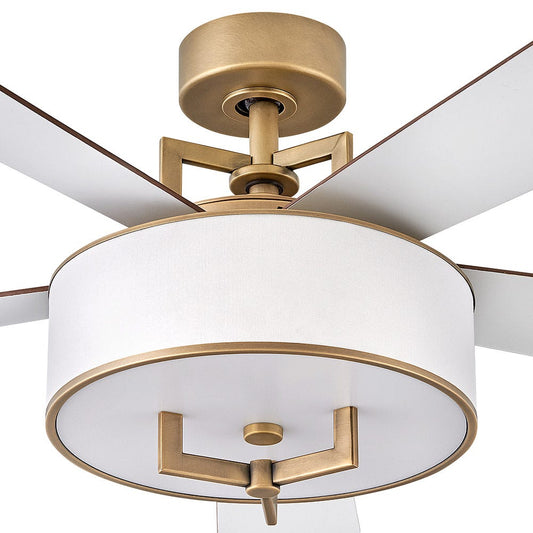
- Finishes with warmth: Driftwood, natural wood tones, aged brass, oil-rubbed bronze, and matte black with organic texture all work well.
- Light kits that stay visually quiet: Integrated LEDs or shaded lights keep the fan polished instead of bulky.
- Motor housing that matches the room: Heavy ironwork can feel rustic. Sleeker housings feel more current and upscale.
For shoppers who want a concrete starting point, product choice starts to feel practical. A large palm-blade model from Fan Connection can anchor a vaulted living room and give it that resort-lobby ease. A refined woven-blade fan with integrated light can make a guest bedroom feel like a private suite.
One detail shoppers overlook: the ceiling angle
A tropical fan often looks best in rooms with character. Vaulted ceilings, beadboard ceilings, covered patios, and lofted great rooms are common examples. Those rooms also create one of the most overlooked buying problems: slope installation.
A fan may fit the style perfectly and still need the right downrod or sloped-ceiling adapter to hang correctly and move air the way it should. That is especially important with wider tropical blades, because blade clearance and hanging angle affect both safety and appearance. If your ceiling is pitched, treat install compatibility as part of the design decision, not an afterthought.
Practical rule: A true tropical fan looks relaxed when it is off, feels comfortable when it is on, and suits the room's ceiling conditions as well as its style.
Choosing Your Perfect Breeze Motor Airflow and Size
Most buying mistakes happen in three places. The fan is too small, the motor is too basic for the room, or the airflow numbers sound technical and never get translated into real comfort.
Start with those three choices and the rest gets easier.

Size first, because scale changes everything
A tropical fan needs enough presence to look intentional. Too small, and it looks like an afterthought. Too large, and it can crowd the room visually.
Here’s the simple room-size framework many shoppers use:
| Room size | Common fan range | Typical use |
|---|---|---|
| Up to 75 sq ft | 29-36 inch | Small office, bath, compact nook |
| 76-144 sq ft | 42-48 inch | Bedroom, dining room |
| 145-400 sq ft | 50-54 inch | Living room, larger bedroom |
| Over 400 sq ft | 60+ inch or multiple fans | Great room, open-concept layout |
This chart is a practical starting point, not a strict design law. Ceiling height, furniture layout, and how open the room feels all matter too.
If you want a deeper sizing reference before buying, this guide is helpful: https://www.fanandlights.com/blogs/news/ceiling-fan-size-guide
Why premium buyers usually prefer DC motors
If you’re shopping in the $300-and-up range, motor quality becomes part of the luxury experience.
A high-end tropical fan should feel smooth, quiet, and easy to fine-tune. That’s where DC motors stand out. Product data for the Kviflon 52-inch model describes up to 70% energy savings over traditional AC motors, noise levels below 30dB, six-speed control, and airflow in the 3000-4500 CFM range for rooms up to 450 square feet (Kviflon tropical DC fan details).
Those numbers matter because they translate into daily comfort.
- Quieter operation: Better for bedrooms, reading corners, and open-plan spaces where sound travels.
- More speed options: You can choose a soft drift of air instead of toggling between “barely on” and “too windy.”
- Lower energy use: Helpful when the fan runs for long stretches in warm weather.
For buyers who want a polished, upscale feel, DC motors usually make more sense than entry-level AC motors.
Airflow is the fan’s breathing power
CFM sounds technical, but the idea is simple. It describes how much air the fan moves.
A tropical fan with strong airflow doesn’t have to feel harsh. In fact, in a good design, strong airflow and relaxed comfort work together. The room feels fresher without feeling blasted.
Here, blade design, motor type, and room size all meet. A beautifully styled fan with weak airflow won’t deliver the vacation mood you’re after. You’ll have the look without the feeling.
How to choose like a designer, not a guesser
Use this quick decision path:
- Measure the room Pick the size range that fits the footprint.
- Decide how the room should feel Bedroom calm is different from patio airflow.
- Choose motor quality based on use For heavy use and premium comfort, DC is often worth it.
- Check airflow with context Numbers matter, but only if they match the room size and blade design.
Buy for the way you want the room to feel at 8 p.m., not just how the fan looks in a product thumbnail.
That one mindset shift saves people from a lot of expensive second guesses.
Setting the Mood With Integrated LED Lighting
The light on a tropical fan isn’t a bonus feature. It’s half the atmosphere.
If the blades set the vacation tone during the day, the lighting finishes the room at night. That’s why a tropical ceiling fan with light should be judged like both a fan and a fixture.

Brightness matters, but mood matters more
A lot of shoppers ask one question first. “Is the light bright enough?”
That’s fair, but brightness alone won’t tell you whether the room will feel inviting. You also need to think about color temperature and whether the fixture is dimmable.
Modern tropical fans with integrated LEDs can deliver up to 2000 lumens while consuming only 60W, and many offer selectable color temperatures at 3000K Warm, 4000K Natural, and 6000K Cool. The same product category data notes 50-70% energy savings compared with older incandescent bulbs (integrated LED tropical fan product data).
Those numbers become useful when you translate them into room behavior.
What the Kelvin settings actually feel like
Use color temperature based on what happens in the room.
- 3000K Warm: Best for bedrooms, sitting rooms, and evening lounging. The room feels softer and more restful.
- 4000K Natural: A smart middle ground for spaces that need flexibility, like multipurpose living areas.
- 6000K Cool: Better for task-heavy spaces where clarity matters more than coziness.
A tropical room usually looks best when the light leans warm. That keeps woven textures, wood finishes, and leaf forms from looking flat or overly sharp.
Dimming is what makes the room versatile
One reason premium fans feel more luxurious is control. You don’t want the same lighting level for morning cleanup, dinner with friends, and late-night reading.
A dimmable integrated LED gives one fixture multiple personalities.
Soft light changes a tropical room from decorative to immersive.
This short video gives a useful visual sense of how fan lighting and blade style affect the room together.
What to look for in a higher-end lighted fan
When you’re comparing premium models over $300, pay attention to more than the existence of a light kit.
Look for:
- Integrated LED design: Cleaner appearance than bulky add-on bowls
- Selectable color temperature: Better control over mood
- Dimmable function: Essential for evening comfort
- Light diffusion: Frosted or shaded designs help prevent glare
For more ideas on fixture styles and LED options, this gallery is useful: https://www.fanandlights.com/blogs/news/ceiling-fans-with-led-lights
Perfect Placement and Installation Tips
A beautiful fan can still disappoint if it’s hung in the wrong place or mounted with the wrong hardware. Installation affects comfort, safety, and how polished the room feels.
The first thing to get right is visual centering. In a bedroom, that often means centering the fan over the bed. In a living room, it usually means centering over the seating zone rather than the entire floor plan.
Ceiling height changes the look
A tropical fan has more visual character than a plain builder-grade model. That means mounting height matters even more.
If the fan sits too high, the blades lose presence. If it hangs too low, the room can feel crowded. Flush mount, standard mount, and downrod options all help you adjust that balance.
A downrod isn’t just a technical accessory. It can make the fan look intentional in a room with tall or vaulted ceilings.
Sloped ceilings are where many shoppers get stuck
This is one of the least explained parts of fan buying.
Some tropical fans support sloped ceiling installation up to 15 degrees, but ceilings beyond that angle may require a dedicated angled mounting kit. Product information in this category often mentions the feature without giving much guidance, which leaves homeowners with vaulted ceilings guessing about what to buy (sloped ceiling tropical fan installation note).
That confusion is common, especially in homes with dramatic great rooms, lofted bedrooms, and covered patios.
A simple installation checklist
Before ordering, confirm these points:
- Ceiling type Flat, gently sloped, or steeply vaulted.
- Mounting method Flush mount for lower ceilings, downrod for taller spaces, angled kit if needed.
- Fan rating Indoor, damp-rated, or wet-rated depending on where it will live.
- Blade clearance Tropical blade shapes can spread wider visually, so measure carefully.
- Control setup Remote, wall control, or app-based control depending on how you use the room.
If your ceiling has a visible slope, don’t assume every fan will install the same way. Check the mounting language before you fall in love with the finish.
For many homeowners, the best move is choosing the fan only after confirming the ceiling angle and the correct mount accessories. That order prevents returns and avoids the “why didn’t anyone mention this earlier?” moment.
Room by Room Tropical Fan Styling Inspiration
The most satisfying way to choose a tropical fan is to stop thinking in categories and start thinking in rooms. The right model for a serene bedroom isn’t always the right one for an airy patio or a dramatic great room.
Here, higher-end models over $300 earn their place. They don’t just cool the room. They shape it.

The living room statement piece
In a large living room, the fan should read like architecture. A sculptural model such as the Artemis XL5 makes sense here.
Its appeal is visual confidence. You use a fan like this when the room has generous ceilings, open sightlines, and furnishings with a modern coastal or resort-luxury tone. Think linen upholstery, a substantial coffee table, and a restrained palette of sand, teak, and matte black.
A strong statement fan works best when the rest of the ceiling stays simple. Let the blades do the talking.
The bedroom retreat
Bedrooms need a different energy. Not less style, but less visual pressure.
A quieter-profile model such as the Andros fits beautifully in a room that’s meant to slow you down. Pair it with layered bedding, woven textures, and a warm light setting for a calmer nighttime atmosphere. If the room includes artwork above a dresser or bed, something botanical can reinforce the theme without becoming kitschy. A piece like this tropical botanicals art print is a good example of how to add color and leaf forms in a softer way.
The covered patio favorite
Outdoor tropical style needs durability as much as charm. A model like the Cabana makes practical sense here.
Look for a damp-rated or wet-rated construction depending on exposure. Covered patios, lanais, and screened porches benefit from palm-inspired blades, but they also need finishes and materials that hold up well in changing conditions. Tropical design stops being purely decorative and starts earning its keep here.
Matching fan personality to room personality
Here’s a simple way to think about product selection:
| Room | Fan personality | Good model direction |
|---|---|---|
| Great room | Bold, sculptural, upscale | Artemis XL5 |
| Primary bedroom | Quiet, elegant, calming | Andros |
| Covered patio | Durable, breezy, relaxed | Cabana |
A few style pairings that work especially well
- Modern coastal: Clean-lined furnishings, pale oak, white walls, and a fan with natural blades plus a refined light.
- Bohemian resort: Rattan, textured bedding, handmade ceramics, and a fan with leaf or woven influence.
- Classic tropical: Darker wood tones, plantation touches, and a fan with palm-inspired blades and a warm finish.
The best tropical room doesn’t feel themed. It feels collected, breathable, and easy to settle into.
When shoppers hesitate between two premium models, I usually suggest this filter. Choose the one that still looks beautiful when nothing else in the room is turned on. Daylight tells the truth about design.
Maintaining Your Fan and Maximizing Energy Savings
The best tropical ceiling fan keeps that resort feeling easy to live with. You want the room to feel like a polished retreat, not another item on your weekend chore list.
A little routine care protects both the look and the experience. Clean blades move air more evenly, clear light lenses keep the glow soft instead of dull, and a well-maintained motor helps your breeze feel steady night after night.
Keep cleaning gentle and consistent
Tropical fans often have more sculptural blades than standard ceiling fans, so dust shows up faster. On a leaf-shaped blade, buildup can flatten the crisp detail that gives the fan its high-end, island-inspired character.
- ABS blades: Wipe with a soft cloth and a mild cleaner. They handle humidity well and are especially practical in sunrooms, covered patios, and other moisture-prone spaces.
- Wood blades: Use a dry or slightly damp microfiber cloth. Too much water can wear on the finish over time.
- Light kit surfaces: Clean the lens or shade gently so the light stays warm, clear, and flattering.
If your fan hangs over a bed, seating area, or dining table, regular dusting also keeps particles from circulating back into the room. It is a small task with a noticeable payoff.
Use the reverse function to support comfort year-round
A reversible motor changes how the room feels in different seasons. In warm weather, counterclockwise rotation creates the cooling breeze that gives a bedroom or living room that open-air vacation feel. In cooler months, clockwise rotation helps push trapped warm air back down into the space without creating a strong draft.
That matters even more in rooms with tall or sloped ceilings, where heat tends to collect overhead. If you invested in a premium tropical fan to make a vaulted great room feel relaxed and inviting, the reverse setting helps that atmosphere work in every season, not just summer.
Save energy by using the fan with your HVAC, not against it
Ceiling fans do not lower the room temperature. They help people feel cooler, which means you can often raise the thermostat a bit in warm months and still stay comfortable.
That is where a quality motor earns its price. Premium fans above the $300 mark, including upscale tropical and natural-blade styles carried by Fan Connection, are built to deliver strong airflow with less wasted effort. Pair that with an integrated LED light and sensible seasonal settings, and the fan becomes part of your comfort strategy, not just your decor.
If energy use is part of your decision, this guide to energy-efficient ceiling fans is a helpful next read.
A tropical fan should do two jobs at once. It should look beautiful at a glance, and it should help your home feel like a permanent vacation.
Your Tropical Fan Questions Answered
Are tropical ceiling fans noisy
Not necessarily. Noise depends more on motor quality, blade balance, and installation than on the tropical style itself.
Many premium models are designed for quiet operation, especially those with higher-end motors and multiple speed settings. If you want a peaceful bedroom or sitting area, look closely at the control options and the quality level of the fan, not just the leaf-blade look.
Can I use a tropical fan in a room with a standard ceiling height
Yes, as long as you choose the right diameter and mounting style. A tropical fan doesn’t need a dramatic cathedral ceiling to look good.
The mistake is choosing a blade span that overwhelms the room or a hanging setup that drops too low. In standard-height spaces, lower-profile tropical models often look more refined.
What’s the difference between damp-rated and wet-rated
This matters a lot for patios and porches.
- Damp-rated fans suit covered outdoor areas where moisture is present but direct weather exposure is limited.
- Wet-rated fans are built for spaces where the fan may face direct rain or more exposed conditions.
Always match the fan’s rating to the actual environment. A covered lanai and an open pergola aren’t the same situation.
Is a remote enough, or should I get app control too
That depends on how you live.
A remote is simple and familiar. It works well for most bedrooms, guest rooms, and living spaces. App control is useful if you like adjusting speed and lighting from your phone or want a more connected home setup.
If multiple people use the room, many homeowners like having both. The remote handles daily convenience, and the app gives extra flexibility.
Do tropical fans only work in beach-style homes
Not at all. They work surprisingly well in modern organic interiors, soft contemporary homes, bohemian rooms, and even transitional spaces.
The trick is restraint. One tropical fan paired with natural textures and good lighting can feel refined. Five themed accessories around it can tip the room in the wrong direction.
Should I spend more than $300 on one
If the fan is going into a main living area, primary bedroom, or outdoor entertaining space, often yes.
That price range usually opens the door to better materials, stronger finishes, quieter motors, more refined lighting, and a more convincing design presence. In other words, you’re not only paying for air movement. You’re paying for a fan that looks like it belongs in the room for years.
If you’re ready to find a tropical ceiling fan with light that feels polished, high-end, and worth living with every day, browse the curated selection at Fan Connection. It’s a smart place to compare premium styles, including statement designs and tropical-inspired models priced for real upgrades, not temporary fixes.


