











Picking the Best Types of Ceiling Fan Light Bulbs
You swap a burned-out bulb in your ceiling fan. The new one screws in just fine. Then the trouble starts.
It flickers when the fan is on high. It buzzes when you dim it. Or it fits the socket, but it’s so wide that the glass shade won’t go back on. That’s the moment it becomes clear a ceiling fan light isn’t the same as a table lamp.
A fan light kit lives in a picky little environment. It deals with motion, tight space, heat, and often a wall control or handheld remote. That’s why the best types of ceiling fan light bulbs aren’t just about “what lights up.” They’re about what fits, what stays stable, and what won’t make your fan act strange.
We help customers through this every day, and the confusion is completely normal. Bulb bases, shapes, dimmers, brightness, color temperature, and integrated LEDs can feel like a pile of unrelated details. They are connected. Once you know how each piece affects the others, the choice gets much easier.
Your Ceiling Fan Light Bulb Is More Than Just a Bulb
A ceiling fan bulb does three jobs at once. It has to light the room well, work safely inside the fixture, and play nicely with a moving fan.
That last part is where many quick bulb swaps go wrong. A bulb that works perfectly in a lamp may not behave the same way in a fan. Vibration can expose weaknesses. Heat can build up in a cramped shade. A mismatched dimmer can turn a simple upgrade into a constant annoyance.
Think of your fan light kit like a small appliance, not just a socket. The bulb affects how the fixture looks, how the room feels, and how the fan performs over time.
Practical rule: If a bulb flickers, buzzes, or runs hotter than expected in a ceiling fan, don’t assume the fan is bad. Very often, the bulb choice is the real problem.
Another place people get tripped up is style. Ceiling fans are visual anchors in a room. If you’ve chosen a striking fan for your living room or bedroom, the bulb can either disappear neatly into the design or stick out like the wrong shoes with a good outfit. Shape matters. Size matters. Light color matters.
If you’re still deciding whether your next fixture should be a full fan-and-light combo rather than a fan plus a separate light source, this guide to ceiling fans with lights is a helpful place to compare the overall approach.
The good news is that none of this has to stay confusing. Once you know how bases, bulb shapes, lighting technology, and compatibility fit together, you can choose with confidence instead of trial and error.
The Anatomy of a Ceiling Fan Bulb Bases and Shapes
If you've bought the "right bulb" and still hate the result, this is usually the section that explains why. In ceiling fans, fit has two jobs. The bulb has to connect to the socket correctly, and it has to physically live inside a light kit that vibrates, traps heat, and often leaves very little room to spare.
That is why bulb anatomy matters more in a fan than it does in a table lamp.

Start with the base
The base is the part that twists in or snaps into the socket. If that connection is wrong, nothing else matters. You can have the color temperature you want and the brightness you want, and the bulb still will not work.
Many ceiling fans use a medium screw base, often called E26. Decorative or compact light kits often use a smaller candelabra base, commonly E12. Some fixtures use pin-based bulbs instead. Those show up more often in specialized light kits and older designs.
A quick check saves a return trip:
- Read the old bulb: The base type is often printed near the bottom.
- Check the fixture label: Many fan light kits list the required bulb type inside the housing or shade.
- Look at the socket size: A candelabra socket is noticeably slimmer than a standard medium base.
- Do not force a near match: "Almost fits" is how sockets get damaged.
For a better visual sense of why one fan accepts one bulb style and another does not, these light fixtures for ceiling fans show how much the housing design affects bulb choice.
Then check the shape
Shape decides whether the bulb fits under the glass, clears the socket spacing, and looks right once the light is on. Consequently, many frustrating fan bulb swaps go sideways.
A19 is the classic pear-shaped household bulb many people recognize. The U.S. Department of Energy notes that A-type lamps are the common general-service shape used in homes, which is why A19 bulbs show up so often in fan light kits too (U.S. Department of Energy guide to light bulb shapes and bases).
But common does not mean universal.
Some ceiling fan shades are too shallow for a full A19 bulb. Some multi-light fan kits place bulbs close together, so a wider globe shape can crowd the space. Candle-style bulbs often fit better in decorative fans where the bulb is visible. Reflector bulbs can work in certain fixtures, but their bulk and directional beam are usually a better match for recessed or task lighting than a typical fan light kit.
Here is the practical way we explain it at Fan Connection. The base answers, "Will it connect?" The shape answers, "Will it fit and look right?" You need both answers before you buy.
Why shape affects more than appearance
Bulb shape changes light distribution, but in a ceiling fan it can also influence compatibility headaches people rarely connect to the bulb itself. A bulb that barely fits inside a tight shade may trap extra heat. A bulb with a longer body may sit closer to the glass, making hot spots or glare more obvious. A loosely seated bulb in a vibrating fan can even make minor flicker seem worse.
That last point catches a lot of homeowners off guard. The fan motor does not usually "fight" the bulb, but vibration can expose weak contact at the base or poor-quality LED construction. The result looks like random flicker, intermittent dimming, or a faint buzz that never happened in a lamp across the room.
A good fit helps prevent that. So does choosing bulbs made for enclosed fixtures or ceiling fan use when your light kit is compact.
Common shapes you may see
- A-shape bulbs: Familiar all-around household light. Often a good choice if the shade has enough room.
- Candle bulbs: Slimmer and more decorative. Helpful for open or chandelier-style fan light kits.
- Globe bulbs: Round and visible. Best when the fixture design intentionally shows the bulb.
- Reflector bulbs: More directional light, but often too bulky or too focused for many fan kits.
If your fan has clear glass, open sockets, or exposed bulbs, shape becomes part of the fixture's design. In that case, shopping by socket alone is like buying shoes by size and ignoring the style. They may technically fit, but the finished look can still feel off.
The order that causes the fewest problems is simple. Match the base first. Check the physical size and shape next. Then choose the look you want. That sequence helps you avoid the classic ceiling fan bulb problems: shades that will not close, bulbs that sit crooked, and LEDs that seem flaky only because the fit was wrong from the start.
Decoding Bulb Technologies From Old to New
You swap the old bulbs in your ceiling fan for new LEDs, flip the switch, and the light starts buzzing on low dimmer settings or flickering when the fan reaches a higher speed. That kind of frustration usually is not about brightness alone. It is about how each lighting technology behaves inside a fixture that also has a motor, a compact housing, and sometimes a remote or dimmer in the mix.
The different types of ceiling fan light bulbs make more sense when you read them like chapters in a product timeline. Each newer option tried to fix a weakness in the one before it. In ceiling fans, those weaknesses show up faster because the bulb has to deal with heat, vibration, enclosed shades, and control systems that can be picky.

Incandescent and halogen
Incandescent bulbs were the old standby for years because they were simple and forgiving. They usually dimmed smoothly, and they did not raise many compatibility questions. In a ceiling fan, though, they also produced a lot of heat, which is the opposite of what you want in a compact light kit mounted near wiring, glass, and plastic parts.
That heat problem is one reason the industry moved away from them. The U.S. Department of Energy explains that LED lighting uses much less energy than incandescent lighting and lasts much longer, which helps explain why LED replacements have become the standard choice in residential fixtures (U.S. Department of Energy on LED lighting).
Halogen bulbs improved light output and color compared with traditional incandescent bulbs, but they still run hot. In a ceiling fan, hot-running bulbs can make a small fixture feel like a cramped engine compartment. Everything still works, but the operating conditions are tougher than they need to be.
CFLs and why they never became a fan favorite
Compact fluorescent bulbs arrived as an efficiency upgrade, but they never felt especially at home in fan light kits. Some were slow to reach full brightness. Others were inconsistent with dimmer switches. In a bedroom or living room, that can feel like a light that has a mind of its own.
They also tended to be bulkier than many fan shades liked. So even if the base fit, the overall bulb could still create an awkward match. Ceiling fans ask a lot from a bulb. Small size, fast light, low heat, and stable performance all matter at once.
LED became the default for a reason
LEDs solved several fan-specific headaches in one move. They use less power, create less heat, and are available in smaller shapes that fit more light kits. Just as important, manufacturers built newer fans around LED performance instead of treating LED as a simple swap for an older bulb design.
Federal efficiency rules also pushed the market in that direction. The National Electrical Manufacturers Association notes that general service incandescent lamps were phased out under updated federal standards, which accelerated the shift toward more efficient options such as LEDs (NEMA on federal light bulb standards).
That does not mean every LED is automatically a good ceiling fan bulb.
Generic LEDs can still cause trouble if they are paired with the wrong dimmer, built with weak internal drivers, or installed in a fixture with limited space and lots of vibration. That is why one LED may work perfectly in a table lamp but buzz, shimmer, or flicker in a fan light kit. If you want a sense of how current fixtures are being designed around this technology, browse these ceiling fans with LED lights.
Standard LED versus integrated LED
This point trips up a lot of shoppers because both options are "LED," but they solve different problems.
A standard LED bulb is replaceable. You screw it into a socket and can change it later if you want a different brightness or color temperature. That flexibility is great, but it also means you are still responsible for compatibility. The bulb has to match the socket, fit inside the shade, work with the dimmer, and handle the fan's operating conditions without buzz or flicker.
An integrated LED is built into the fan's light kit. The light source, diffuser, and controls were designed to work together from the start. That often reduces the trial-and-error part of shopping, especially for homeowners who are tired of chasing down flicker problems that only show up after installation.
Integrated LED setups are a bit like buying a kitchen appliance with all the parts already tuned to each other. Replaceable LED bulbs are more like mixing components yourself. Both can work well, but one leaves less room for mismatch.
What about smart bulbs
Smart bulbs sound like an easy upgrade, but ceiling fans add a wrinkle. Many fans already use a handheld remote, wall control, pull chain, or built-in dimming system. A smart bulb has its own control logic on top of that.
If those controls do not cooperate, you can get dropped connections, delayed response, bulbs that reset after power cuts, or dimming behavior that feels inconsistent. In some cases, the problem is not the smart feature itself. It is the fan cutting power in a way the bulb does not like.
We usually tell customers to treat smart bulbs as a compatibility project, not a guaranteed shortcut. Check whether the fan light stays powered consistently, whether the bulb is rated for enclosed fixtures if needed, and whether the wall control uses a dimmer that can interfere with the bulb's electronics. That extra caution saves a lot of annoyance later.
Choosing Your Bulb Efficiency Lifespan and Dimming
You swap in new bulbs, flip the switch, and the fan light looks fine at full brightness. Then you dim it for movie night and the trouble starts. A faint buzz. A little shimmer. Sometimes the light even drops out at the low end. That kind of frustration is why bulb shopping for a ceiling fan needs more than a quick wattage match.
A good bulb choice affects three everyday headaches at once. How much electricity the light uses, how often you have to replace it, and whether it behaves properly with the fan’s controls and constant vibration.
Efficiency that helps in real life
Efficiency makes more sense when we translate it into daily use. The U.S. Department of Energy explains that LED bulbs use much less electricity than incandescent bulbs to produce the same amount of light, and they also last much longer (Department of Energy on LED lighting).
For a ceiling fan, that matters more than it does in a table lamp. Every bulb change means getting the ladder, reaching overhead, and working around glass shades or a tight light kit. If your fan is over a stairwell, in a vaulted room, or above a bed, a longer-lasting bulb saves real hassle, not just a few minutes.
LEDs also make sense if the light stays on for long stretches, like in kitchens, family rooms, or bedrooms where the fan runs daily.
Lower heat helps the whole fixture
Heat is easy to overlook because the bulb still turns on. But inside a ceiling fan light kit, heat builds up in a small space near wiring, sockets, shades, and decorative trim.
ENERGY STAR notes that LEDs give off much less heat than incandescent bulbs because they waste less energy as heat (ENERGY STAR light bulb guidance). That cooler operation is helpful in enclosed or semi-enclosed fan light kits, where trapped heat can be harder on nearby parts over time.
We usually explain it this way to customers at Fan Connection. A cooler bulb is like using a laptop that stays cool instead of one that gets hot on your lap after twenty minutes. Both may work, but one puts less stress on everything around it.
Dimming is where many ceiling fan upgrades go sideways
A bulb can be efficient and still be the wrong choice if it does not dim well with your fan.
LED dimming depends on two pieces working together. The bulb has to be rated dimmable, and the control has to speak the same electrical language. If those two parts are out of sync, the symptoms can look random. Buzzing at mid-level brightness, flicker that gets worse while the fan is running, or a light that will not dim past a certain point are all common signs of a mismatch.
Ceiling fans make that problem more noticeable because the bulb is not sitting still. Small vibration from the motor can expose weaknesses in a cheap driver or a poorly matched dimmer faster than a lamp on a nightstand would.
If your setup uses a wall control, remote receiver, or combination fan-and-light switch, check how that control handles the light before buying bulbs. This guide to choosing the right switch for ceiling fan can help you sort out what type of control you have.
If a new LED buzzes or flickers only on your ceiling fan and not in another fixture, the bulb may be fine. The control pairing is often the real problem.
A simple decision filter
Use this order when you shop. It keeps the decision practical and helps you catch the compatibility problems that generic LED recommendations often miss.
| What to check first | Why it matters |
|---|---|
| Base and physical fit | The bulb needs to fit the socket and clear the shade or housing |
| Dimmable rating and control match | This helps prevent buzz, low-end flicker, and uneven dimming |
| Heat and efficiency | Cooler, lower-watt bulbs are easier on the fixture and cheaper to run |
| Lifespan | Longer life means fewer trips up the ladder |
| Brightness and color tone | These shape how the room feels once the bulb is working properly |
That order works like buying tires for a car. Size comes first, then performance, then comfort. With ceiling fans, fit and control compatibility come first, because even an efficient bulb becomes a bad buy if it hums, flickers, or fights with the fan’s electronics.
The Compatibility Checklist Safety First
You screw in a new LED, flip the switch, and the light comes on. Problem solved, right? Then the fan starts spinning and the bulb begins to flicker, hum, or misbehave at the lowest dim setting. That is the ceiling-fan version of buying the right shoe size in the wrong shape. It technically fits, but it still feels wrong in daily use.
A ceiling fan light kit asks more from a bulb than a table lamp does. The bulb has to fit the socket, clear the glass, work with the control, and stay stable in a fixture that moves and vibrates during normal operation.

Check the fixture label first
Start inside the light kit. Look for the label that lists the maximum wattage, approved bulb types, or any warnings about enclosed use. That small sticker does a lot of work. It tells you the safety limits the fixture was built around.
Then check the physical space around the socket. Some bulbs screw in just fine but press against the shade, sit too close to the diffuser, or trap heat inside a tight globe. A bulb that is too large can shorten its own life and leave you with a light kit that looks awkward even when everything is technically installed correctly.
Controls cause many of the headaches
Ceiling fan bulbs often fail the compatibility test at the control, not at the socket.
Wall dimmers, handheld remotes, receiver modules, and combination fan-light controls do not all regulate power the same way. That matters because many LED bulbs are picky about the signal they receive. The U.S. Department of Energy explains that poor dimmer compatibility can cause flicker, drop-out, shimmer, or audible noise in LED lamps and luminaires, especially at lower dim levels (DOE guidance on LED flicker and dimming behavior). In a ceiling fan, that frustration can be more noticeable because the fixture is overhead, used often, and paired with electronics that were not designed with every generic LED in mind.
Motor hardware adds another layer. A fan has moving parts, a motor, and often a receiver tucked into a tight housing. If a bulb works perfectly in a still fixture but acts up only in the fan, the bulb is not always defective. The pairing between bulb, dimmer, and fan electronics is often the underlying issue.
A practical compatibility checklist
Use this quick check before you buy or install:
- Match the base exactly. Close is not close enough with bulb bases.
- Read the fixture label. Stay within the listed wattage and usage limits.
- Measure the bulb shape and length. Small shades and bowl lights leave little room for error.
- Verify dimmable status. If your fan light is on a dimmer or remote dimming control, the bulb needs to support that use.
- Test the light with the fan off and on. Vibration-related flicker can show up only after the blades start turning.
- Check the lowest dim setting. That is where buzzing, flashing, and uneven light output usually appear first.
If you are replacing wiring, controls, or a full light kit, review safe setup practices before you start. Our guide to mastering fan and lighting connections for safe setup can help you sort through the bigger electrical picture.
Vibration is the hidden variable
A ceiling fan is a moving light fixture. That sounds simple, but it explains a lot of strange bulb behavior.
Small amounts of normal vibration can expose weaknesses that never show up in a hallway fixture or bedside lamp. An inexpensive LED with a marginal driver or loose internal components may look fine at first, then begin to flicker once the fan reaches speed. You may also hear a faint buzz that seems like a motor problem when the bulb and control are in conflict.
Here is the practical takeaway. If the light is stable with the fan off but starts flickering, buzzing, or cutting out with the blades running, check compatibility before blaming the bulb alone. In many homes, the fix is a fan-rated LED, a better dimmer match, or a control change, not a fourth trip up the ladder with another random bulb.
Setting the Mood With Brightness and Color
You swap in a new bulb, flip the switch, and the fan light works. Technically, problem solved. Then the room feels too blue for movie night, too dim for folding laundry, or oddly harsh once the blades start spinning. That last step matters more with ceiling fans than people expect.
Brightness and color are what turn a bulb from "it fits" into "it feels right." They also affect how forgiving the light is if your fan has a frosted shade, a downward-facing glass bowl, or a dimmer that does not play nicely with every LED.
Start with lumens, because watts do not describe the result
Watts measure energy use. Lumens measure light output. If watts are the gas pedal, lumens are the speed you get.
For a ceiling fan, that distinction helps because many people are replacing older incandescent bulbs with LEDs. The watt number drops a lot, but the room can look just as bright, or brighter. The U.S. Department of Energy's light bulb guide is a solid reference for comparing lumen output across bulb types, and it supports using lumens instead of watts for brightness planning. You can also review general bulb selection tips if you want a quick refresher on matching bulb output to the room.
A simple way to choose is to ask one question first. Is the fan light your main light source, or is it filling in around lamps, recessed lights, or under-cabinet lighting?
- Living rooms and bedrooms usually feel better with moderate light output and a softer glow.
- Kitchens, laundry rooms, and work areas usually need stronger light so surfaces and details are easier to see.
- Dining areas and sitting rooms often land in the middle, bright enough to be useful, soft enough to feel comfortable.

Color temperature changes the room faster than many shoppers expect
Color temperature is measured in Kelvin, shown as K on the box. Lower numbers look warmer and more yellow. Higher numbers look cooler and more white.
The Lighting Research Center and major bulb makers commonly group household LEDs into familiar ranges such as warm white around 2700K, neutral white around 3000K to 4000K, and daylight tones near 5000K. For standard E26 LED bulbs, those are the ranges you will see again and again on store shelves.
Here is the practical version:
- 2700K works well in bedrooms, dens, and living rooms where you want the light to feel relaxed.
- 3000K is a nice middle ground if you want warmth without making the room look sleepy.
- 4000K looks cleaner and sharper, which many homeowners like in kitchens, craft spaces, and utility rooms.
- 5000K can help in task-heavy spaces, but in a fan over a seating area it can feel stark if the rest of the room is warm.
A ceiling fan light spreads from the center of the room, so color temperature is harder to ignore than it would be in a table lamp tucked in a corner. If your furniture, flooring, and wall paint have warm tones, a very cool bulb can make the room feel disconnected, almost like wearing athletic sneakers with a dress outfit. It works, but it may not feel intentional.
Ceiling fans add one more wrinkle: stable light matters as much as pretty light
A bulb that looks perfect on the package can still disappoint in a fan. Some LEDs shift color slightly as they dim. Others look smooth at full brightness but shimmer faintly on lower settings, especially once the motor is running. That is why a "bright white LED" recommendation from a general lighting article can fall short in a ceiling fan.
If you are choosing between two similar bulbs, the better pick is often the one marketed as dimmable and built for enclosed or fixture use, with a reputation for stable low-end dimming. In real rooms, that usually gives you fewer surprises like low-level flicker, buzz, or that distracting pulse effect people notice while reading under a fan.
Easy room-by-room picks
If you want a quick starting point, use these combinations:
- Living room: moderate lumens, 2700K to 3000K
- Bedroom: softer output, 2700K
- Kitchen: higher lumens, 3000K to 4000K
- Home office or hobby room: moderate to higher lumens, 4000K if you want clearer contrast
- Covered patio or sunroom: choose based on mood first, then check that the bulb is rated for the fixture conditions
Visible bulb style matters too. A decorative filament LED adds character if the bulbs show beneath the fan. A frosted bulb is usually the safer choice if you want even light and less glare through glass shades.
The goal is simple. Pick a bulb that fits the room's job, matches the room's mood, and stays visually stable when the fan is doing its job overhead.
Upgrade Your Airflow and Ambiance With Fan Connection
After dealing with bases, shapes, dimmers, and vibration, many shoppers decide they’d rather skip the bulb-matching puzzle altogether. That’s one reason premium fans with thoughtfully designed lighting are so appealing.
A well-designed fan doesn’t just move air. It solves fit, finish, and lighting compatibility at the design stage. That means fewer surprises after installation.
When a premium fan saves hassle
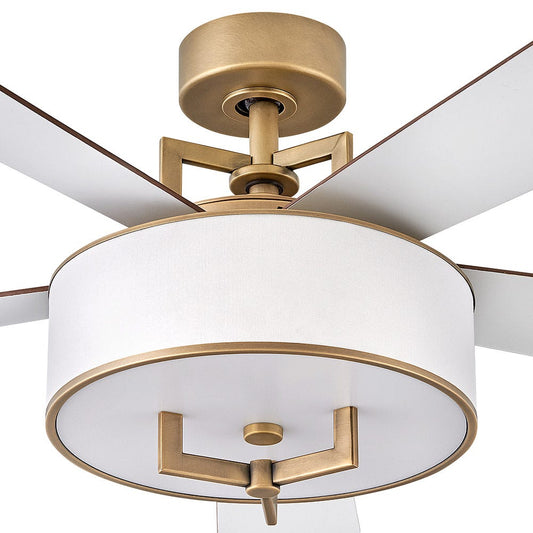
If you want a sleek, design-forward option, the Artemis IV Fan at from $720 is a strong example of why higher-end fans earn their place. Its integrated lighting approach helps avoid the common bulb-and-dimmer mismatch that frustrates many homeowners.
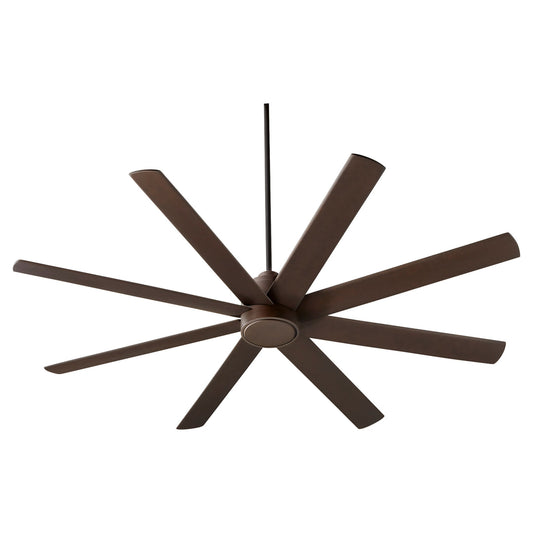
If your style leans bold and architectural, the Aviation Fan at from $558 brings statement-making presence while staying in the premium range the author brief called for. It’s the kind of fixture people notice immediately in a loft, great room, or modern renovation.
For outdoor-inspired spaces or homes with a resort feel, the Tropical Fan Collection offers fans built around a complete look rather than a pieced-together lighting workaround. That matters when you want the fan to feel intentional instead of improvised.
Why complete fan design beats random bulb swaps
There’s a practical lesson in all of this. The more moving parts you combine from different places, the more opportunities there are for dimmer buzz, vibration flicker, and disappointing light quality.
That doesn’t mean replaceable bulbs are a bad choice. It means premium, well-matched fan systems are often the easier long-term path.
If you want a second opinion on the basics of choosing bulbs themselves, Golden Lighting has a useful reference on general bulb selection tips. It pairs well with the compatibility issues we’ve focused on here.
When you’re shopping complete fixtures, it helps to look beyond blade style alone. Consider how the light is controlled, whether the LED is integrated or replaceable, and whether the overall design reduces the small annoyances that show up after day one.
The right ceiling fan should feel easy to live with. No buzzing. No guessing. No bulb sticking out where it shouldn’t.
Ready to make the whole choice easier? Explore Fan Connection for design-led ceiling fans that bring airflow, lighting, and everyday usability together in one polished package.


